Yard waste removal steps for eco-friendly homes in MA
- Joe Lusso
- Mar 6
- 10 min read

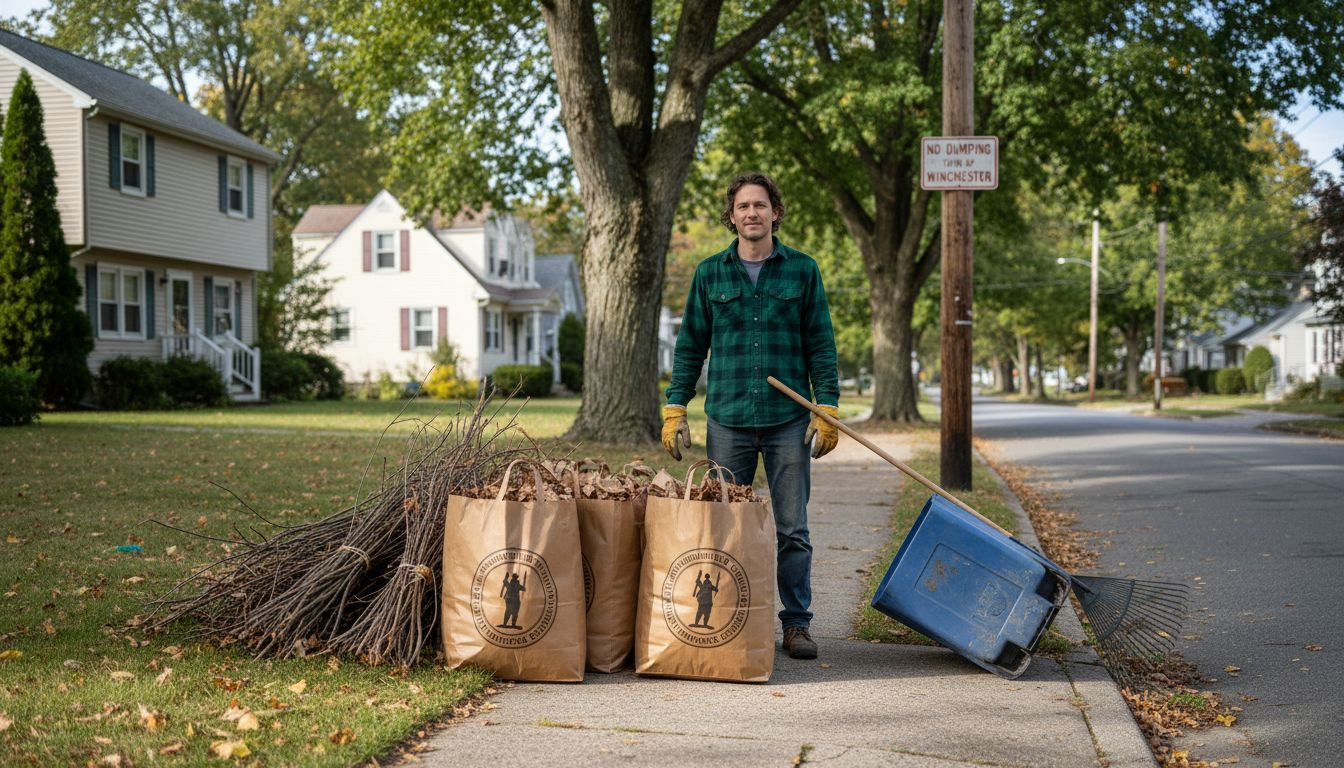
Piles of leaves, grass clippings, and branches clog your yard every season, but tossing them in the trash or burning them violates Massachusetts law and risks fines. Many homeowners struggle with rejected pickups or confusing disposal rules. This guide walks you through the exact steps to remove yard waste legally, efficiently, and sustainably, from understanding state regulations to choosing the right disposal method for your home.
Table of Contents
Key takeaways
Point | Details |
Massachusetts bans landfill disposal | Yard waste must be composted or recycled, not landfilled or burned, per state regulation 310 CMR 19.017. |
Sort and size properly | Separate leaves, grass, and branches under 4 inches; use biodegradable bags and follow local sizing rules to avoid rejection. |
Eco-friendly options available | Backyard composting, municipal curbside pickup, mulching, and professional services offer compliant, sustainable disposal. |
Professional services save time | Insured crews handle removal quickly and eco-consciously, with costs ranging $100 to $400 based on volume. |
Avoid common mistakes | Never mix plastics, metals, or food waste with yard debris, and check local rules to prevent fines and pickup denials. |
Understanding Massachusetts yard waste regulations
Massachusetts enforces strict rules to protect the environment and reduce landfill waste. MassDEP bans landfill disposal of yard waste except for recycling or composting per regulation 310 CMR 19.017. This statewide mandate prohibits burning, transferring to landfills, or any non-compliant disposal method.
Yard waste includes leaves, grass clippings, garden trimmings, and branches under 4 inches in diameter. Prohibited materials include soil, rocks, plastics, metals, and food scraps, which contaminate organic recycling streams. Mixing these items with yard waste results in rejected pickups and potential fines.
If you operate a composting operation exceeding certain volumes, you must notify the Massachusetts Department of Environmental Protection and your local health board. Understanding these rules ensures you stay compliant and avoid penalties. For related disposal needs, explore our construction debris disposal tips massachusetts guide.
Key regulatory points include:
Statewide ban on landfill and burning disposal of yard waste
Yard waste limited to organic plant materials under 4 inches diameter
Prohibited items include soil, rocks, plastics, metals, and food waste
Large composting operations require DEP and health board notification
Violations lead to fines and rejected municipal pickups
For full details, review the official yard waste management regulations from UMass Amherst.
Preparing your yard waste for removal
Proper preparation ensures smooth removal and compliance with local regulations. Start by segregating yard waste into three categories: leaves and grass clippings, branches and twigs, and garden trimmings. Sorting prevents contamination and speeds up processing at composting facilities.
Cut branches to meet size requirements. Most municipalities and services require branches smaller than 4 inches diameter to fit composting equipment. Use pruning shears or a saw to trim oversized pieces before removal day.
Bag leaves and grass clippings in biodegradable bags approved by your town or service provider. Paper lawn bags or certified compostable plastic bags work best. Avoid standard plastic bags, which contaminate organic waste streams and violate disposal rules.
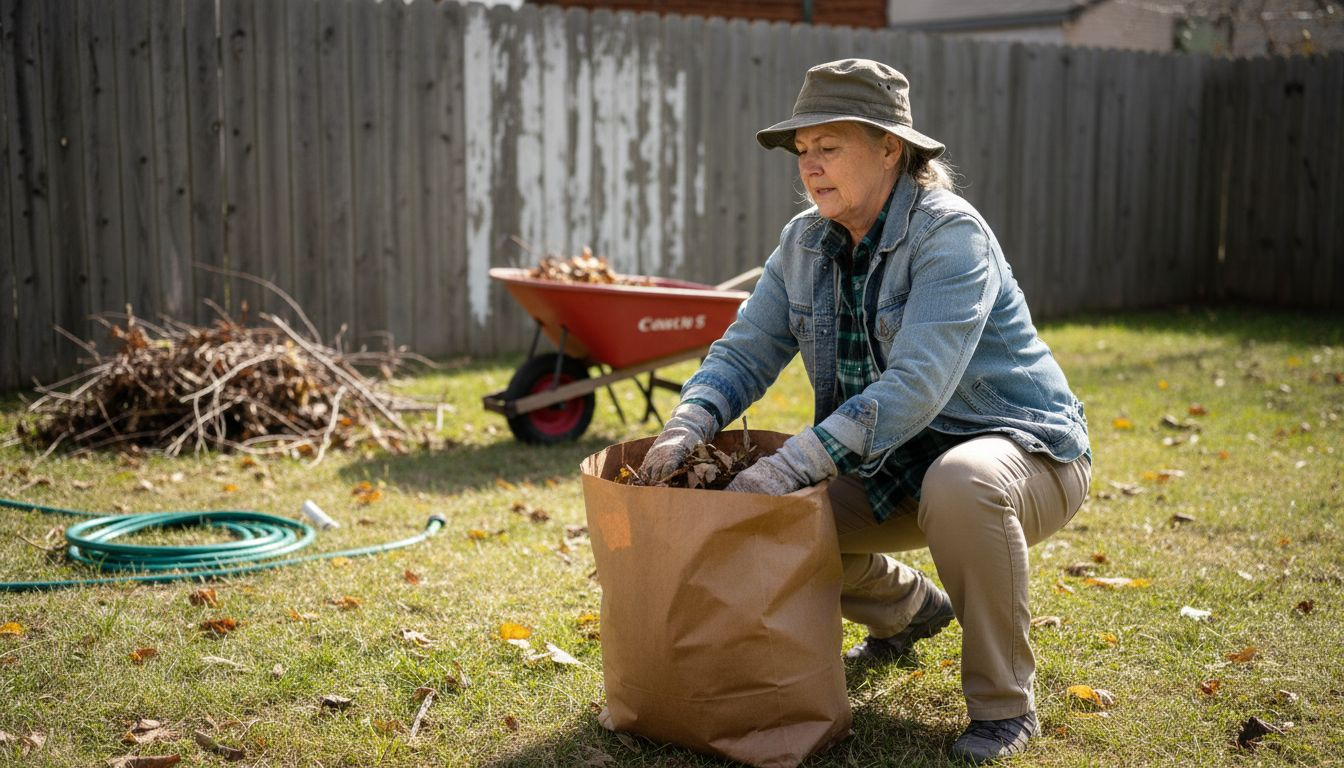
Bundle branches securely with natural twine or string. Keep bundles under 50 pounds and 4 feet long for easy handling. Check your municipality’s specific bundling instructions, as requirements vary by town.
Pro Tip: Label your biodegradable bags with “Yard Waste Only” using a marker to prevent accidental contamination by family members or waste collectors. Pre-check your town’s pickup schedule and bag requirements on their website to avoid surprises.
Follow these preparation steps:
Segregate yard waste by type: leaves, grass, branches, and garden trimmings.
Cut branches to required sizes, typically under 4 inches diameter and 4 feet long.
Bag leaves and grass in biodegradable bags, avoiding standard plastic.
Bundle branches with natural twine, keeping bundles under 50 pounds.
Remove prohibited materials like rocks, plastics, and food waste before pickup.
Effective yard waste preparation involves correct segregation, sizing branches properly, and using biodegradable bags to comply with regulations. For additional tips, visit our yard waste removal tips massachusetts homeowners page.
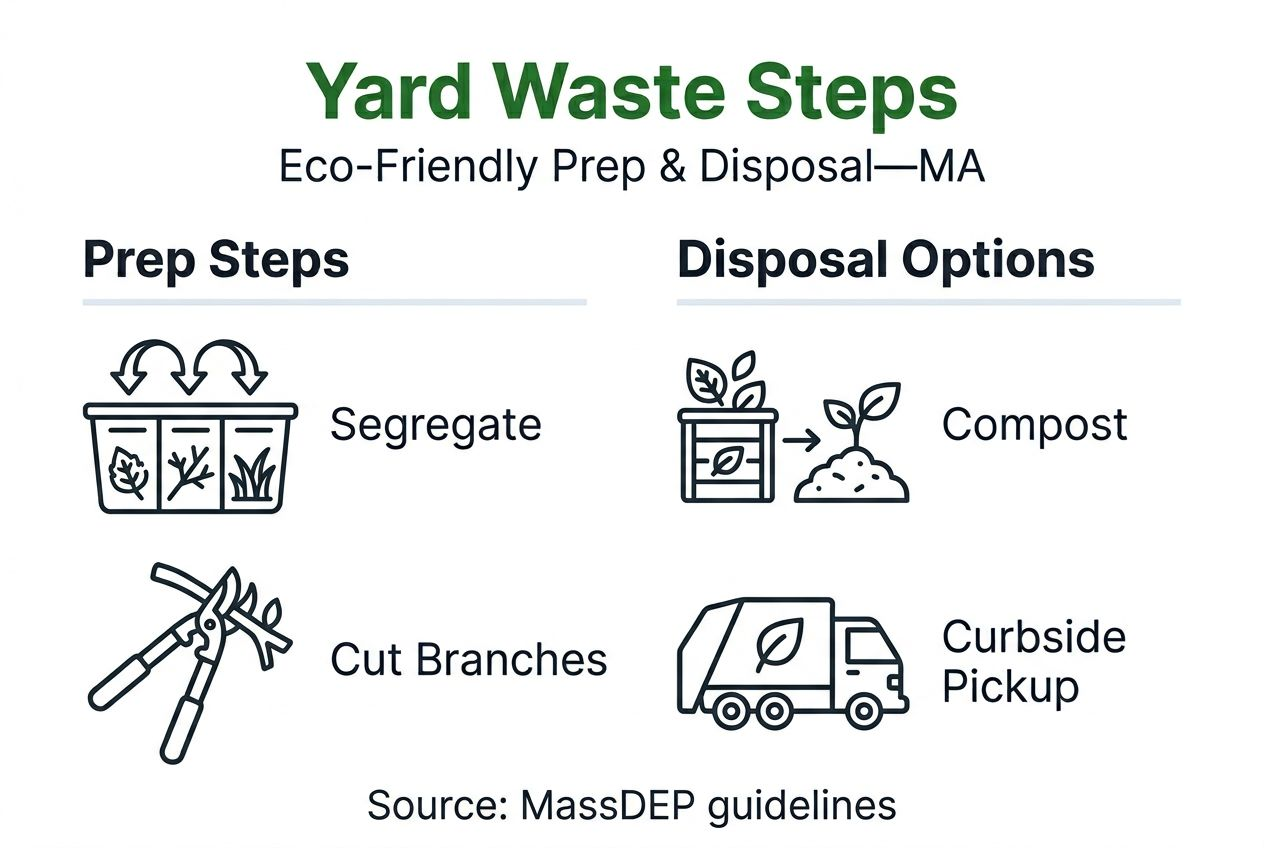
Review detailed yard waste preparation guidelines to ensure compliance with Massachusetts standards.
Eco-friendly yard waste disposal methods
Once your yard waste is prepared, choose a disposal method that fits your budget, time, and environmental priorities. Massachusetts offers several eco-conscious options, each with unique benefits.
Backyard composting transforms leaves, grass, and small trimmings into nutrient-rich soil. Backyard composting produces nutrient-rich soil in 3 to 6 months when balanced and regularly turned. This method costs little beyond initial bin setup but requires ongoing maintenance. You control what goes into your compost and reduce waste hauling entirely.
Municipal curbside collection programs offer convenient disposal with designated containers or biodegradable bags. Most Massachusetts towns schedule pickups weekly or biweekly during growing seasons. Contact your local Department of Public Works to confirm schedules, bag requirements, and any fees.
Mulching grass clippings recycles nutrients directly back into your lawn without causing harmful thatch buildup. Modern mowers with mulching blades chop clippings finely, allowing them to decompose quickly. Mulching grass clippings recycles nutrients without thatch issues, improving soil health and reducing fertilizer needs.
Professional removal services provide fast, insured, and eco-conscious disposal with minimal homeowner effort. Companies like Junk Dispatch handle sorting, hauling, and compliant disposal, ideal for large volumes or time-constrained homeowners. For broader cleanup needs, check our massachusetts junk removal solutions page.
Pro Tip: Combine mulching and composting to reduce waste volume dramatically. Mulch fresh grass clippings and compost leaves and garden trimmings to enrich your soil naturally while minimizing disposal costs.
Method | Cost | Time Commitment | Environmental Benefit |
Backyard Composting | Low (bin setup) | Moderate (3-6 months) | High (zero waste, soil enrichment) |
Municipal Curbside | Low to Free | Low (scheduled pickup) | High (recycling, landfill diversion) |
Mulching | Free (mower upgrade) | Low (mow as usual) | High (nutrient recycling, reduced fertilizer) |
Professional Service | Moderate to High ($100-$400) | Very Low (one-time pickup) | High (compliant disposal, fast processing) |
Explore backyard composting guidelines and mulching benefits for detailed instructions.
Hiring professional yard waste removal services in Massachusetts
Professional services maximize convenience and ensure compliance with Massachusetts environmental regulations. Companies like Junk Dispatch offer insured, trained crews who handle all aspects of yard waste removal, from sorting to eco-friendly disposal.
Benefits include fast, reliable scheduling with same-day options, insured crews trained in proper handling, and guaranteed compliance with state and local regulations. You avoid the physical strain of hauling heavy bags and bundles, and professionals sort waste correctly to prevent contamination.
Professional services offer insured crews, quick scheduling, and eco-friendly disposal at prices from $100 to $400 based on volume and service speed. Small loads like a few bags of leaves cost less, while large seasonal cleanouts with multiple cubic yards reach the higher end.
Booking is straightforward. Call or use online booking systems to schedule a free estimate. The service provider assesses your yard waste volume and provides transparent pricing. Most companies offer guidance on preparation to streamline removal day.
Professional removal suits homeowners with large volumes, limited time, or physical constraints. It also benefits those who want peace of mind knowing their waste is handled compliantly and sustainably. For recurring cleanouts, explore our schedule regular junk removal massachusetts services.
Key advantages:
Insured, trained crews handle heavy lifting and sorting
Fast scheduling, often with same-day or next-day availability
Guaranteed compliance with Massachusetts environmental laws
Eco-friendly disposal at certified composting or recycling facilities
Transparent pricing with free estimates before commitment
For licensed service providers, visit our licensed junk removal massachusetts page or learn more about defining professional junk removal. Review professional yard waste removal costs and explore the full range of junk dispatch services.
Common mistakes and troubleshooting in yard waste removal
Avoiding common errors saves you from fines, rejected pickups, and environmental harm. Many homeowners unknowingly violate disposal rules, leading to frustration and extra costs.
Never mix plastics, metals, or food waste with yard debris. Contaminants prevent proper composting and result in rejected loads. Dispose of non-organic materials separately through regular trash or recycling channels.
Burning yard waste violates Massachusetts air quality laws and carries heavy fines. Even small backyard fires release harmful pollutants and create fire hazards. Always use legal disposal methods like composting or municipal pickup.
Follow branch sizing and bagging instructions precisely. Oversized branches or non-biodegradable bags lead to service denial. Pre-check your municipality’s rules or service provider’s requirements before placing waste curbside.
Prohibited materials often sneak into yard waste piles. Rocks, soil, treated wood, and food scraps contaminate organic streams. Double-check each bag or bundle to remove prohibited items.
Mixing non-yard waste contaminants and improper preparation lead to fines and pickup denials. Correcting these errors protects your wallet and the environment.
Common mistakes to avoid:
Mixing plastics, metals, or food waste with yard debris
Burning yard waste in violation of air quality laws
Using non-biodegradable plastic bags instead of approved paper or compostable bags
Exceeding branch size limits or bundle weight restrictions
Ignoring local pickup schedules and placing waste out on wrong days
For additional guidance, revisit our yard waste removal tips massachusetts homeowners page. Review tips on avoiding yard waste mistakes to stay compliant.
Safety considerations when handling yard waste
Handling yard waste safely prevents injuries and ensures smooth removal. Physical strain, sharp debris, and improper tools pose risks during preparation and disposal.
Always wear durable gloves and eye protection when handling branches and thorny debris. Gloves prevent cuts and splinters, while safety glasses shield eyes from flying twigs or sawdust during cutting.
Do not overload bags. Keep bags under 40 pounds to avoid back strain and torn bags. Wearing gloves and eye protection reduces injury risks; avoid overloading bags to prevent strain. Distribute weight evenly and use proper lifting techniques when moving bags or bundles.
Burning yard waste poses legal and health hazards. Burning yard waste releases harmful pollutants and is illegal in many Massachusetts areas. Smoke contains particulate matter that harms respiratory health and contributes to air pollution.
Use proper tools for cutting and handling. Sharp pruning shears, handsaws, and chippers make work safer and faster. Maintain tools regularly and follow manufacturer safety instructions to prevent accidents.
Safety best practices:
Wear durable gloves and eye protection during all yard waste handling
Keep bags under 40 pounds to prevent back strain and bag tears
Use proper lifting techniques: bend knees, keep back straight, lift with legs
Avoid burning yard waste due to legal restrictions and pollution hazards
Maintain and use appropriate cutting tools to prevent accidents
“Proper safety gear and technique prevent the majority of yard waste handling injuries. Invest in quality gloves and tools to protect yourself and work efficiently.”
For detailed safety guidelines, review yard waste safety tips and yard waste burning regulations.
Expected outcomes and costs of yard waste removal
Understanding realistic timelines, costs, and benefits helps you choose the best disposal method for your situation. Each option balances convenience, expense, and environmental impact differently.
Backyard composting delivers nutrient-rich soil after 3 to 6 months with regular turning and balanced inputs. Initial costs include a compost bin or pile setup, typically under $100. Ongoing effort involves adding materials, turning the pile, and monitoring moisture. The payoff is free, high-quality soil amendment for gardens and lawns.
Municipal curbside collection schedules pickups weekly or biweekly during growing seasons. Costs are often included in local taxes or involve minimal fees for bags or stickers. Convenience is high, but you depend on municipal schedules and must follow strict preparation rules.
Professional removal offers quick service and compliance assurance but costs more. Backyard composting typically takes 3-6 months; professional removal costs range $100 to $400 depending on volume and speed. Small loads with a few bags cost around $100, while large seasonal cleanouts with multiple cubic yards reach $400 or more.
Environmental benefits span all methods. Diverting yard waste from landfills reduces methane emissions, a potent greenhouse gas. Composting and mulching recycle nutrients into the ecosystem, enriching soil and reducing fertilizer needs. Professional services ensure compliant disposal at certified facilities, maximizing environmental gains.
Method | Timeline | Typical Cost | Environmental Impact |
Backyard Composting | 3-6 months | $50-$100 (bin setup) | High (zero waste, soil enrichment, carbon sequestration) |
Municipal Curbside | Pickup in 1-2 weeks | Free to $50/year (bag fees) | High (landfill diversion, centralized composting) |
Professional Removal | Same-day to 3 days | $100-$400 (volume-based) | High (compliant disposal, fast processing, certified facilities) |
Choose the method that balances cost, convenience, and environmental goals for your household. For detailed cost breakdowns, review yard waste removal costs and timelines.
Get reliable, eco-friendly yard waste removal with Junk Dispatch
You have sorted, sized, and bagged your yard waste. Now let Junk Dispatch handle the heavy lifting and disposal. We offer fast, insured yard waste removal with eco-friendly disposal practices tailored for Massachusetts homeowners.
Serving Essex County junk removal services, Reading MA junk removal services, and surrounding Massachusetts areas with flexible scheduling, we make yard waste removal effortless. Our trained crews handle everything from leaves and grass to branches and garden trimmings, ensuring compliant disposal at certified composting facilities. Save time and avoid compliance headaches by trusting professionals for your yard waste needs. Explore our junk removal and demolition services for larger property cleanout projects.
Frequently asked questions about yard waste removal steps
Why can’t I burn my yard waste in Massachusetts?
Burning yard waste violates Massachusetts air quality regulations and releases harmful pollutants like particulate matter and carbon monoxide. Many towns prohibit open burning entirely, and violations carry fines. Use legal disposal methods like composting or municipal pickup instead.
What are the penalties for mixing non-yard waste materials?
Mixing prohibited materials like plastics, metals, or food waste with yard debris contaminates organic recycling streams and results in rejected pickups. Repeated violations can lead to fines from your municipality or disposal service. Always segregate waste types correctly.
How do I know if my town offers curbside yard waste pickup?
Contact your local Department of Public Works or visit your town’s official website. Most municipalities list yard waste collection schedules, bag requirements, and fees online. If your town does not offer curbside pickup, consider professional services or backyard composting.
What is the best bag type for yard waste disposal?
Use biodegradable paper lawn bags or certified compostable plastic bags approved by your municipality or service provider. Standard plastic bags contaminate composting operations and violate disposal regulations. Pre-check your town’s specific bag requirements before purchase.
How long does professional yard waste removal usually take?
Most professional services schedule pickups within 24 to 72 hours, with same-day options available for urgent needs. The actual removal takes 30 minutes to 2 hours depending on volume. Booking online or by phone provides quick estimates and flexible scheduling.
Can I compost branches and twigs at home?
Small branches and twigs under 1 inch diameter compost well when chopped into smaller pieces. Larger branches take years to decompose and should be bundled for municipal pickup or professional removal. Avoid adding diseased or treated wood to your compost pile.
Recommended
Comments