Why Recycle Appliances: Benefits, Rebates, and Safe Disposal
- Joe Lusso
- 2 days ago
- 8 min read

TL;DR:
Responsible appliance recycling prevents environmental hazards and conserves vital resources by ensuring proper disposal of refrigerants, lead, and mercury. Utility rebate programs and regulated certified recyclers make eco-friendly disposal financially accessible and legally compliant for households. Correct recycling methods, including certified refrigerant recovery and donations of functional units, promote a circular economy and protect community health.
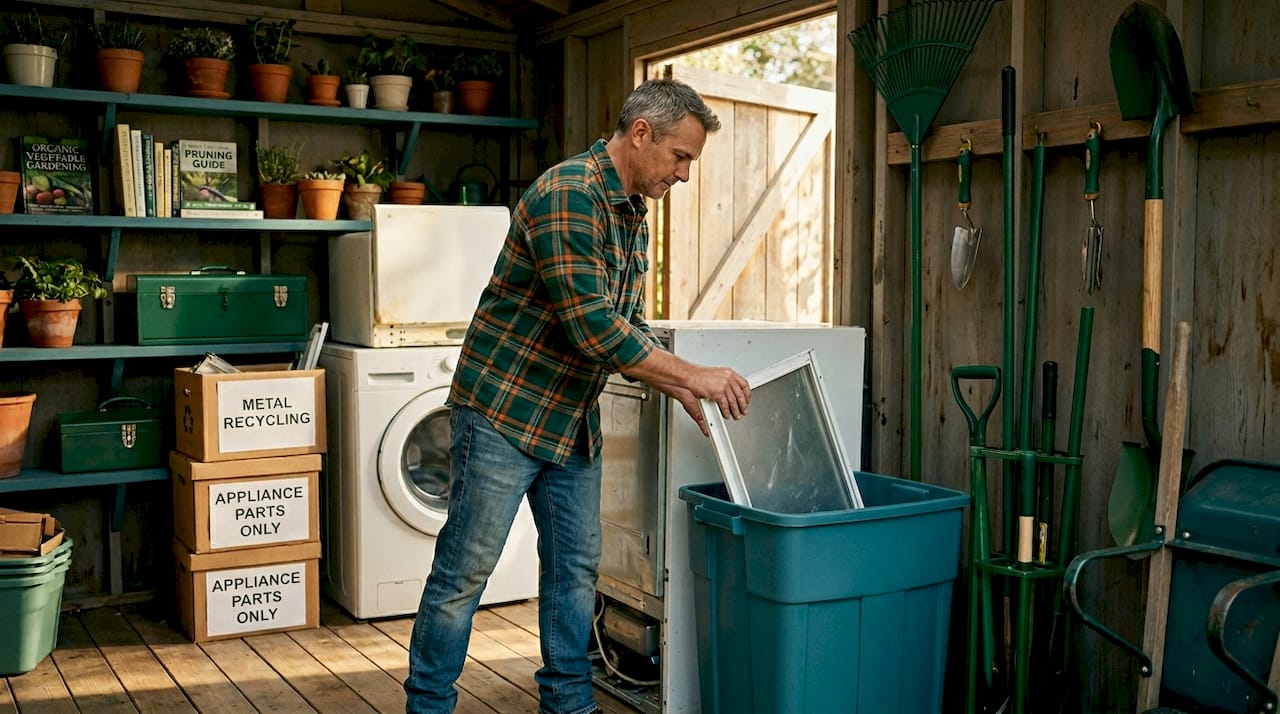
Appliance recycling is the process of responsibly recovering materials from old or unwanted home devices to reduce pollution, conserve natural resources, and support a circular economy. When you replace a refrigerator, washer, or dryer, the way you dispose of it matters far more than most households realize. Old appliances contain copper, aluminum, steel, refrigerants, mercury, and lead. Sending them to a landfill wastes those materials and releases toxins into the soil and air. Recycling them correctly keeps those resources in use and keeps hazardous chemicals out of your community.
Why recycle appliances: the environmental and health case
Recycling appliances prevents two categories of harm: resource loss and chemical contamination. Both are serious, and both are avoidable with the right disposal method.
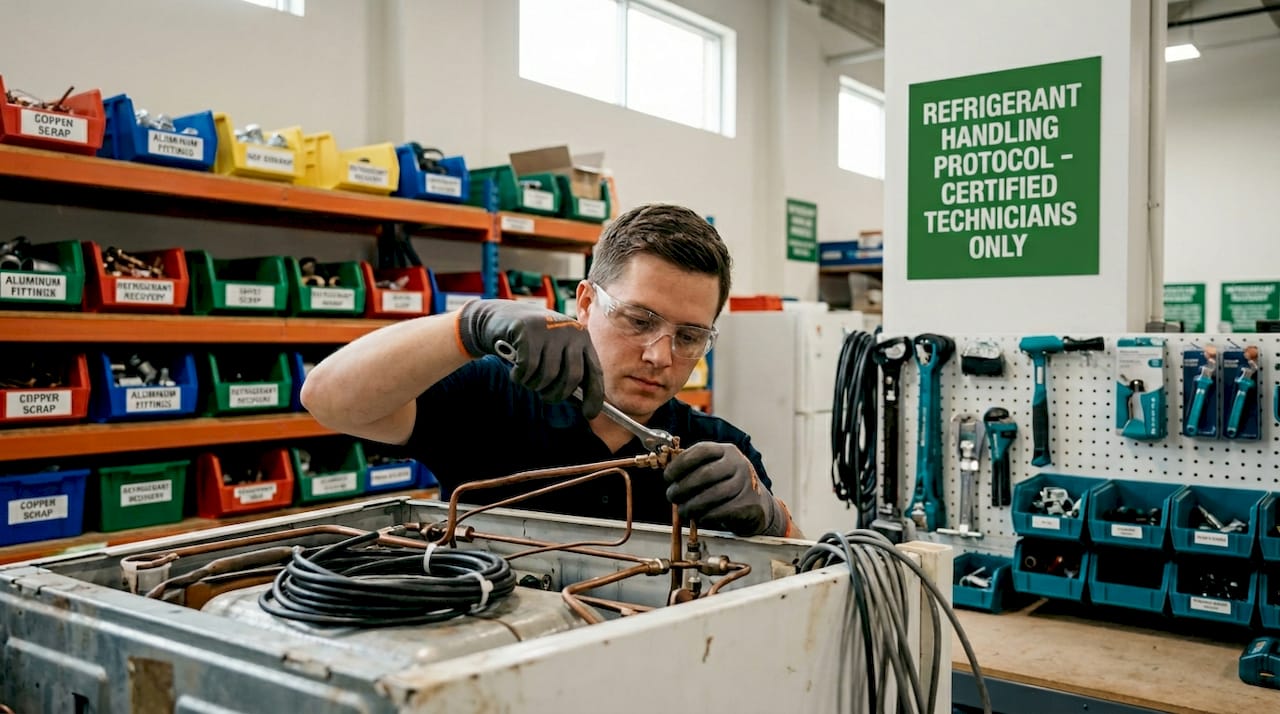
Old refrigerators, freezers, air conditioners, and dehumidifiers contain refrigerants that must be removed before any recycling or shredding can take place. The EPA requires certified refrigerant removal before processing any refrigerant-containing appliance. Skipping this step releases ozone-depleting and climate-warming gases directly into the atmosphere. That is not a technicality. It is a real, measurable harm.
Beyond refrigerants, appliances contain a mix of materials that become dangerous when they break down in a landfill:
Refrigerants in older units often include HFCs and CFCs, which damage the ozone layer
Mercury found in older thermostats and switches leaches into groundwater
Lead and cadmium in circuit boards and wiring contaminate soil and pose neurological risks
Flame retardants in plastic casings release toxic particulates when incinerated
Research published in Frontiers in Environmental Science confirms that improper e-waste disposal releases hazardous heavy metals and flame retardants that damage human skin and respiratory health. That finding applies directly to large appliances, not just small electronics. The risks are not theoretical. Communities near informal recycling or dumping sites show measurable increases in toxic exposure.
“Recycling appliances is not just about clearing space in your home. It is about keeping lead, mercury, and refrigerants out of the ground your children play on and the water your family drinks.”
Proper recycling also conserves finite natural resources. Recovering metals from appliances reduces the need to mine new copper, aluminum, and steel, which are energy-intensive processes with their own environmental footprint. Every refrigerator recycled correctly is a small but real contribution to reducing global resource extraction.
How do economic incentives and regulations encourage appliance recycling?
Recycling appliances is not just the right thing to do. For many households, it also pays.
Utility rebate programs are the most direct financial incentive available. The Consumers Energy appliance recycling program, for example, offers households $50 for recycling a working refrigerator or freezer, and $15 for qualifying smaller appliances. These programs exist because utilities benefit when older, energy-inefficient appliances leave the grid. You benefit because you get cash and free pickup. Many Massachusetts utility providers run similar programs, so checking with your local provider before disposal is worth the five-minute call.
On the regulatory side, the EPA governs how refrigerants must be handled during appliance disposal. Here is what that means in practice:
Only EPA-certified technicians can legally recover refrigerants from appliances before recycling or disposal.
Self-venting refrigerants, meaning releasing them into the air yourself, is illegal and carries significant fines.
You can and should request certification documentation from any recycler handling your refrigerant-containing appliances.
Revised EPA rules on refrigerant handling are projected to save Americans over $2.4 billion by reducing compliance costs for families and businesses.
That last point matters. Regulatory changes affect how much appliance recycling costs at the service level, which in turn affects what households pay or receive in rebates. Staying informed about EPA updates is not just for industry professionals. It directly affects your wallet.
Pro Tip: Before scheduling appliance pickup, call your utility provider and ask specifically about appliance recycling rebates. Many programs require the appliance to be in working condition and meeting certain age or efficiency thresholds, so confirming eligibility before disposal can save you from missing out on cash.
What are the safe and eco-friendly methods to recycle old appliances?
Knowing the importance of appliance recycling is one thing. Knowing exactly how to do it is what most guides skip over. Here are the practical paths available to Massachusetts households.
Work with certified recyclers. The EPA recommends verifying recycler certification by requesting documentation before handing over any refrigerant-containing appliance. A legitimate recycler will have no hesitation providing proof. If they do hesitate, walk away.
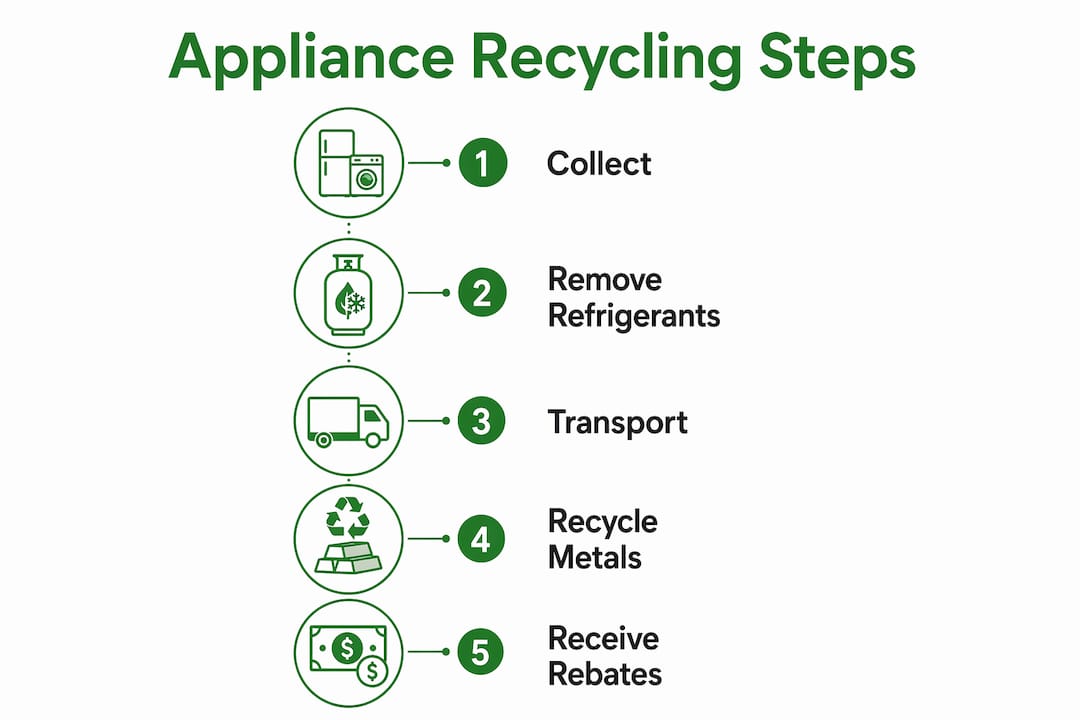
Use utility-sponsored pickup programs. Many Massachusetts utility providers partner with certified recycling companies to offer free appliance pickup. You schedule a time, they collect the appliance, handle refrigerant recovery, and in many cases send you a rebate check. This is the simplest path for most households.
Donate working appliances. If your old washer, dryer, or refrigerator still functions, donating it to organizations like Habitat for Humanity ReStores or local shelters extends its useful life and keeps it out of the waste stream entirely. Donation is the most resource-efficient option when the appliance still works.
Use municipal recycling centers. Most Massachusetts towns and cities operate drop-off facilities that accept large appliances. Call ahead to confirm they handle refrigerant recovery on-site, since not all centers are equipped for every appliance type.
Avoid placing refrigerant-containing appliances at the curb without prior arrangements. Curbside collection crews are not always certified for refrigerant recovery.
For non-refrigerant appliances like washers, dryers, and dishwashers, local scrap yards often accept them and may pay you for the metal content.
For small appliances and electronics, many retailers including Best Buy and Staples run take-back programs at no cost.
Pro Tip: For refrigerators and air conditioners specifically, always confirm refrigerant removal happens before shredding or transport. The biggest risk in appliance recycling is informal recovery or self-venting before certified processing. Sequencing matters.
For a detailed walkthrough of legal disposal options in Massachusetts, the eco-friendly appliance disposal guide from Junkdispatch covers the full process step by step.
Landfill vs. donation vs. recycling: which disposal method is right?
Not every appliance disposal situation is identical. Here is a direct comparison of the three main options to help you decide.
Disposal method | Environmental impact | Economic outcome | Best for |
Landfill | High. Toxins leach into soil and water; materials are lost permanently. | None. May incur disposal fees. | No viable alternative exists. |
Donation | Low. Extends appliance life; no new manufacturing needed. | Possible tax deduction. | Working appliances in good condition. |
Recycling | Low to medium. Recovers materials; prevents chemical release with certified handling. | Potential rebate of $15 to $50 via utility programs. | Non-working or outdated appliances. |
The EPA’s preference is clear: recycling over landfill for appliances that cannot be reused. Landfill disposal is the worst outcome in almost every scenario. It wastes recoverable metals, risks chemical contamination, and provides no economic return. Donation beats recycling when the appliance still works. Recycling beats landfill in every other case.
The environmental impact of recycling appliances versus landfilling is not marginal. It is the difference between a resource recovered and a hazard created. For Massachusetts households, the practical infrastructure to recycle correctly already exists. The barrier is usually just knowing where to start, which is exactly what this guide addresses.
For households dealing with multiple appliances or a full cleanout, professional junk removal services that specialize in appliance disposal in Massachusetts handle the logistics and compliance so you do not have to.
Key takeaways
Recycling appliances correctly prevents toxic chemical release, recovers valuable metals, and can put cash back in your pocket through utility rebate programs.
Point | Details |
Certified refrigerant removal is required | EPA mandates certified recovery before any refrigerant-containing appliance is recycled or disposed of. |
Utility rebates make recycling pay | Programs like Consumers Energy offer up to $50 for recycling a working refrigerator or freezer. |
Landfill is the worst option | Landfilling appliances wastes recoverable metals and risks toxic contamination of soil and water. |
Donation beats recycling for working units | Donating a functional appliance extends its life and eliminates manufacturing demand entirely. |
Verify recycler credentials | Always request EPA certification documentation from any recycler handling refrigerant appliances. |
What I’ve learned from watching households get appliance disposal wrong
Most people think appliance recycling means dragging an old fridge to the curb and calling it done. After years of working in junk removal across Massachusetts, I can tell you that assumption causes real problems, and not just regulatory ones.
The most common mistake I see is households assuming that any recycler or hauler handles refrigerant recovery correctly. They do not. The difference between a certified refrigerant recovery technician and someone who just hauls metal is significant. One protects the ozone layer and keeps you legally covered. The other vents refrigerant into the air and leaves you potentially liable.
What surprises most people is how accessible the right options actually are. Utility rebate programs exist specifically to make certified recycling easy and financially rewarding. Municipal programs are free. Donation is straightforward for working units. The infrastructure is there. The gap is awareness, not access.
I also think the circular economy framing matters more than people realize. When you recycle a washer correctly, the steel in it becomes new steel without new mining. That is a real conservation outcome, not a marketing phrase. Households that understand this tend to make better disposal decisions consistently, not just once.
If you are in Massachusetts and dealing with multiple appliances, a full cleanout, or just one old refrigerator that needs to go, working with a licensed, eco-conscious removal service is the path that protects you, your community, and your budget simultaneously.
— Joe
Get rid of old appliances the right way in Massachusetts
Junkdispatch handles appliance removal across Massachusetts with insured crews trained in EPA-compliant disposal. Whether you are clearing out a single refrigerator or doing a full home cleanout, Junkdispatch coordinates certified refrigerant recovery, connects you with recycling channels, and handles the heavy lifting so you do not have to. Households in Reading and Essex County can book same-day or scheduled pickup with free estimates and transparent pricing. If you want appliance removal done correctly without the research and logistics, book your pickup in Reading or check Essex County removal services to get started today.
FAQ
Why is it important to recycle old appliances?
Recycling old appliances prevents hazardous materials like refrigerants, lead, and mercury from contaminating soil and water, and recovers valuable metals like copper, aluminum, and steel. The EPA classifies improper appliance disposal as an environmental and public health risk.
Can I put an old refrigerator at the curb for pickup?
Placing a refrigerant-containing appliance at the curb without certified refrigerant removal is illegal under EPA regulations. Always arrange certified recovery through a utility program, licensed recycler, or professional removal service before disposal.
What appliances qualify for utility recycling rebates?
Programs like Consumers Energy offer $50 for working refrigerators and freezers and $15 for qualifying smaller appliances. Eligibility typically requires the appliance to be in working condition and meet specific age or efficiency criteria, so confirm with your utility provider before scheduling.
How do I find a certified appliance recycler?
The EPA recommends requesting certification documentation directly from any recycler handling refrigerant appliances. Utility-sponsored pickup programs are the simplest option since they use pre-vetted, certified partners.
Is donating an appliance better than recycling it?
Donating a working appliance is the most resource-efficient option because it extends the product’s useful life and eliminates the need for new manufacturing. Recycling is the preferred choice for non-working or outdated units that cannot be reused.
Recommended
Comments