7 Types of Commercial Junk Every Manager Should Know
- Joe Lusso
- Jan 31
- 9 min read

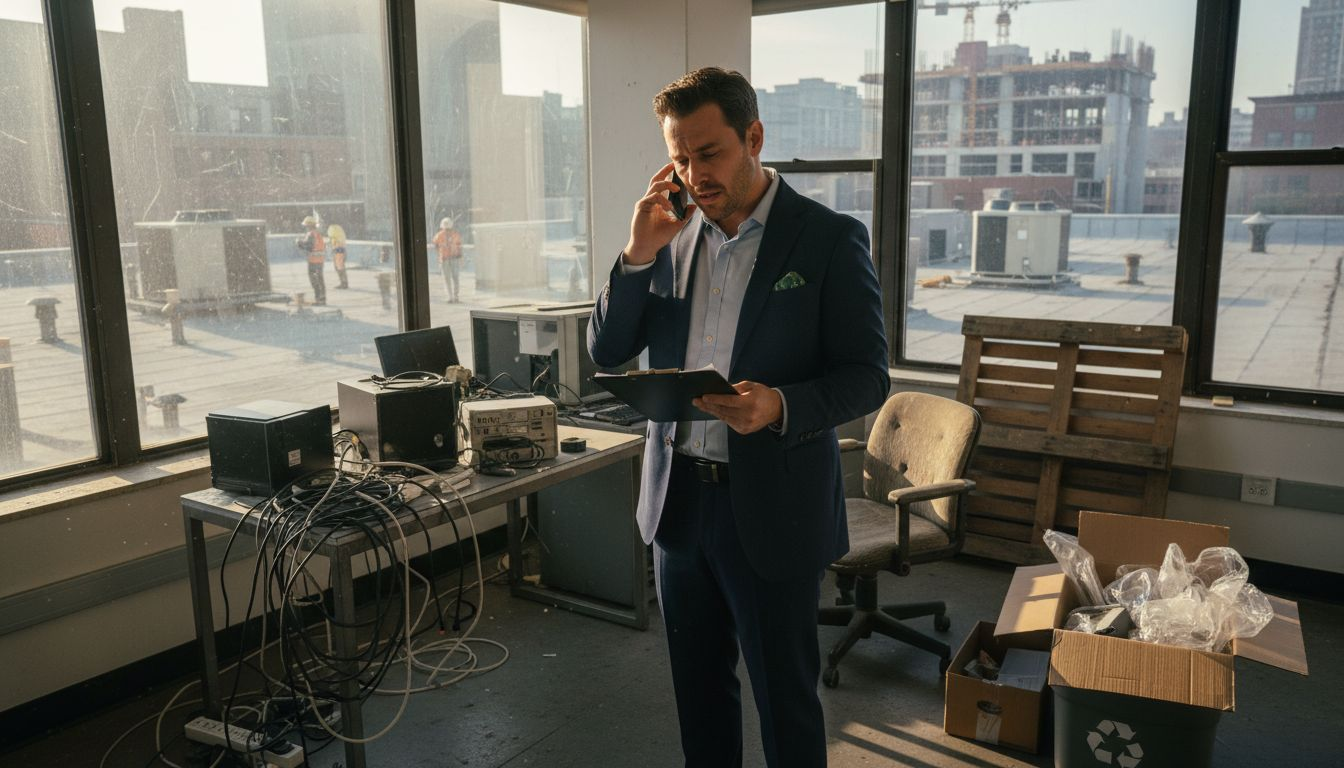
Managing junk removal at a commercial property can feel overwhelming when you’re juggling outdated equipment, construction debris, sensitive files, and more. Choosing the right approach makes all the difference for your budget, security, and the environment. The practical steps you’re about to discover will help you address these challenges with proven strategies used by organizations around the world.
From secure disposal of obsolete electronics to eco-friendly solutions for appliances, you’ll get clear and actionable guidance tailored for property managers. These insights highlight important considerations like data protection, sustainability, and compliance—so you can tackle each type of commercial junk with confidence.
Table of Contents
Quick Summary
Key Insight | Explanation |
1. Conduct Regular Inventories | Regularly assess office furniture and equipment for strategic disposal opportunities and resale potential. |
2. Prioritize Data Security | Implement secure data sanitization practices before disposing of electronic equipment to prevent unauthorized access. |
3. Develop Systematic Waste Management | Establish a comprehensive waste management plan for all types of waste that includes categorization, recycling, and documentation. |
4. Choose Eco-Friendly Disposal Partners | Partner with certified recycling facilities to ensure compliant and environmentally responsible disposal of appliances and electronics. |
5. Train Staff on Waste Procedures | Educate employees about proper waste handling and recycling protocols to enhance operational efficiency and sustainability. |
1. Office Furniture and Equipment Disposal Explained
Commercial property managers face complex challenges when disposing of outdated office furniture and equipment. Understanding the strategic approach to disposal can save significant time and resources while promoting environmental responsibility.
The disposal process involves more than simply throwing away old chairs and desks. According to a comprehensive government analysis, organizations need proactive policies for managing unneeded office assets effectively.
Key considerations for office furniture and equipment disposal include:
Asset valuation: Determine the current market value of existing equipment
Environmental compliance: Ensure proper recycling and disposal protocols
Cost management: Minimize expenses related to storage and removal
Data security: Safely remove any sensitive information from electronic equipment
Professional junk removal services can streamline this process by providing specialized commercial disposal solutions. These services understand the nuanced requirements of business asset removal and can handle everything from old desktop computers to large conference room furniture.
When planning equipment disposal, managers should consider:
Conducting a comprehensive inventory of items to be removed
Evaluating potential resale or donation opportunities
Selecting a certified disposal partner
Documenting the disposal process for accounting purposes
Proper office equipment disposal is not just about clearing space - it’s about making strategic decisions that benefit your organization’s efficiency and bottom line.
Pro tip: Schedule a professional assessment of your office furniture and equipment at least annually to maintain an efficient and up-to-date workspace.
2. Dealing with Obsolete Electronics Safely
Commercial property managers face unique challenges when disposing of outdated electronic equipment. Proper handling of obsolete electronics is critical for protecting sensitive data and minimizing environmental impact.
The disposal of electronic waste requires a strategic approach that goes beyond simply discarding old devices. Sustainable disposal practices involve multiple critical steps to ensure both data security and environmental responsibility.
Key considerations for electronic equipment disposal include:
Data protection: Completely remove all sensitive information
Environmental compliance: Follow proper recycling guidelines
Security protocols: Prevent potential data breaches
Cost management: Minimize disposal expenses
Managers must address several crucial aspects when handling obsolete electronics:
Conduct a comprehensive inventory of electronic assets
Implement secure data sanitization procedures
Identify certified electronic waste recycling partners
Develop a systematic disposal strategy
Data security is paramount when disposing of electronic equipment. According to federal guidelines, organizations must completely sanitize electronic media to prevent unauthorized data access.
Electronic waste disposal is not just a technical task - it’s a critical business responsibility that protects your organization’s most sensitive information.
Pro tip: Create a standardized electronic disposal checklist that includes data wiping, physical destruction of storage devices, and verification of complete information removal.
3. How to Remove Construction Debris Efficiently
Construction debris management is a critical challenge for commercial property managers seeking to maintain clean and safe work environments. Efficiently handling construction waste requires strategic planning and systematic execution.
The complexity of construction debris removal goes beyond simple trash collection. Comprehensive debris management strategies involve multiple considerations including safety, logistics, and environmental compliance.
Key elements of efficient construction debris removal include:
Waste categorization: Separate recyclable and non-recyclable materials
Safety protocols: Ensure proper handling of potentially hazardous waste
Cost management: Minimize disposal expenses
Environmental compliance: Follow local and federal waste regulations
Successful construction debris removal requires a systematic approach:
Conduct a thorough site waste assessment
Develop a detailed debris removal plan
Implement proper sorting and segregation techniques
Select appropriate disposal or recycling methods
Document and track waste management processes
Waste management professionals understand that effective debris removal is more than just clearing a site. It involves careful planning, execution, and documentation to ensure compliance and efficiency.
Construction debris removal is not just about cleaning up - it’s about creating a safe sustainable work environment.
Pro tip: Create a standardized debris removal checklist that includes waste categorization methods safety protocols and documentation requirements to streamline your removal process.
4. Managing Warehouse Pallets and Packaging Waste
Warehouse waste management represents a critical operational challenge for commercial property managers seeking to optimize efficiency and sustainability. Effective handling of pallets and packaging materials can significantly reduce environmental impact and operational costs.
Proper waste management goes beyond simple disposal. Federal waste regulations provide comprehensive guidelines for categorizing and managing warehouse waste strategically.
Key considerations for pallet and packaging waste management include:
Waste categorization: Differentiate between reusable and disposable materials
Recycling potential: Identify opportunities for material repurposing
Safety protocols: Ensure proper handling and storage of waste materials
Cost reduction: Minimize disposal expenses through smart management
Successful warehouse waste management involves several critical steps:
Conduct a comprehensive waste audit
Develop a systematic sorting strategy
Implement reuse and recycling programs
Train staff on proper waste handling techniques
Monitor and document waste management processes
Occupational safety standards emphasize the importance of proper material handling and waste management. Understanding warehouse safety practices is crucial for preventing workplace injuries and environmental risks.
Effective pallet and packaging waste management is not just about disposal - it’s about creating a sustainable and efficient operational ecosystem.
Pro tip: Develop a color-coded waste segregation system that clearly identifies recyclable pallets reusable packaging and materials requiring special disposal to streamline your warehouse waste management process.
5. Best Practices for Disposing of Confidential Files
Confidential file disposal represents a critical risk management challenge for commercial property managers and businesses. Proper document destruction is essential for protecting sensitive information and maintaining organizational security.
Media sanitization standards provide comprehensive guidelines for securely managing confidential documents across physical and digital platforms.
Key considerations for confidential file disposal include:
Data classification: Identify sensitive document types
Destruction methods: Select appropriate disposal techniques
Compliance requirements: Adhere to legal and industry regulations
Audit trail: Maintain documentation of destruction processes
Effective confidential file disposal involves several critical steps:
Conduct a comprehensive document inventory
Develop a systematic classification system
Implement secure destruction protocols
Train staff on confidentiality procedures
Document and verify destruction processes
Secure disposal techniques are crucial for preventing potential data breaches. Organizations must carefully manage record destruction to protect sensitive information.
Confidential file disposal is not just about destroying documents - it’s about protecting your organization’s most valuable asset: information.
Pro tip: Invest in a cross-cut industrial shredder and establish a centralized document destruction protocol that includes both physical and digital file elimination procedures.
6. Eco-Friendly Solutions for Appliance Removal
Commercial property managers face increasing pressure to implement sustainable waste management practices. Appliance removal represents a critical opportunity to demonstrate environmental responsibility while efficiently managing outdated equipment.
Energy efficiency standards are driving more strategic approaches to appliance disposal and replacement.
Key considerations for eco-friendly appliance removal include:
Environmental impact: Minimize waste and carbon emissions
Resource conservation: Enable responsible material recycling
Cost management: Reduce disposal and replacement expenses
Compliance: Meet federal and local environmental regulations
Successful eco-friendly appliance removal involves several strategic steps:
Conduct a comprehensive equipment inventory
Identify recyclable components
Partner with certified recycling facilities
Document and track disposal processes
Explore potential equipment donation opportunities
Sustainable disposal practices are crucial for reducing environmental footprint. The EPA recycling guidelines emphasize the importance of responsible waste management.
Appliance removal is more than just clearing space - it’s an opportunity to contribute to environmental sustainability.
Pro tip: Create a standardized appliance removal protocol that prioritizes recycling and donation over landfill disposal to maximize environmental benefits and potential cost savings.
7. Tips for Handling Bulk Restaurant and Retail Junk
Restaurant and retail businesses generate significant volumes of complex waste that require strategic management. Efficient bulk junk removal is crucial for maintaining operational cleanliness and environmental responsibility.
Commercial waste management strategies play a critical role in reducing operational expenses and minimizing environmental impact.
Key considerations for bulk restaurant and retail junk handling include:
Waste categorization: Separate different types of commercial waste
Recycling potential: Identify opportunities for material reuse
Cost management: Minimize disposal expenses
Regulatory compliance: Meet local waste management guidelines
Successful bulk junk management involves several strategic steps:
Conduct a comprehensive waste audit
Develop a systematic sorting strategy
Establish relationships with specialized recycling partners
Train staff on proper waste handling techniques
Implement consistent documentation processes
Commercial waste disposal requires careful planning and execution. Different waste streams demand specific handling protocols to ensure environmental and regulatory compliance.
Effective bulk junk management transforms waste from a liability into an opportunity for operational efficiency and sustainability.
Pro tip: Create a color-coded waste management system that clearly distinguishes between recyclable materials hazardous waste and general trash to streamline your bulk junk removal process.
Below is a comprehensive table summarizing the various topics, strategies, and best practices outlined in the article for effective waste and asset disposal management.
Topic | Key Strategies | Primary Benefits |
Office Furniture and Equipment | Asset valuation, environmental compliance, cost management, secure data removal. | Time and cost savings, environmental responsibility. |
Obsolete Electronics | Secure data sanitization, certified recycling. | Data protection, reduced environmental impact. |
Construction Debris Management | Waste categorization, safety protocols, systematic planning. | Clean and safe environments, compliance with regulations. |
Warehouse Waste | Sorting and recycling strategies, staff training. | Operational efficiency, sustainability. |
Confidential File Disposal | Systematic classification, secure destruction, documentation. | Protected sensitive information, regulatory compliance. |
Eco-Friendly Appliance Removal | Inventory assessments, recycling practices. | Environmental responsibility, reduced expenses. |
Restaurant and Retail Waste | Waste audits, recycling initiatives, staff training. | Operational cleanliness, sustainable practices. |
This table provides an overview of actionable guidelines and benefits as discussed across the outlined article sections.
Simplify Your Commercial Junk Removal with Junk Dispatch
Managing diverse commercial junk like obsolete electronics office furniture construction debris and confidential files can feel overwhelming especially when you aim to meet strict environmental and security standards. This article highlights the importance of strategic waste categorization data security and eco-friendly disposal practices essential for every commercial property manager.
Junk Dispatch offers a tailored solution for your specific challenges. Our professional team ensures quick reliable and eco-friendly removal services across Massachusetts. From office cleanouts to construction debris removal we handle the heavy lifting and guarantee compliance with recycling and data security protocols.

Ready to reclaim your workspace safely and responsibly Schedule your free estimate today at Junk Dispatch and experience same-day service backed by insured crews and customer satisfaction. Take control of your commercial junk removal now and focus on what truly matters for your business.
Frequently Asked Questions
What are the main types of commercial junk every manager should be aware of?
Understanding the types of commercial junk includes office furniture, obsolete electronics, construction debris, warehouse pallets, confidential files, appliances, and bulk restaurant and retail junk. Identifying these categories will help streamline your disposal processes and ensure compliance.
How can I ensure proper disposal of obsolete electronics in my office?
To ensure proper disposal of obsolete electronics, implement secure data sanitization procedures and partner with certified electronic waste recycling services. Conduct an inventory and schedule disposal at least annually to safeguard sensitive information and maintain compliance.
What steps can I take to manage construction debris effectively?
To manage construction debris effectively, conduct a thorough site waste assessment and develop a detailed debris removal plan. Implement proper sorting techniques and document waste management processes to ensure safety and environmental compliance.
What is the best approach for handling bulk restaurant and retail junk?
The best approach for handling bulk restaurant and retail junk involves conducting a comprehensive waste audit and developing a sorting strategy. Establish relationships with specialized recycling partners to minimize disposal expenses and enhance sustainability.
How do I safely dispose of confidential files in my business?
To safely dispose of confidential files, conduct a document inventory and implement secure destruction protocols. Maintain a clear audit trail by documenting each step of the destruction process to ensure compliance and protect sensitive information.
What should I consider when removing old appliances from my facility?
When removing old appliances, focus on environmentally responsible practices by identifying recyclable components and partnering with certified recycling facilities. Develop a standardized appliance removal protocol to maximize recycling opportunities and minimize landfill waste.
Recommended
Comments