Business Junk Disposal Guide for Efficient Cleanouts
- Joe Lusso
- 1 day ago
- 7 min read

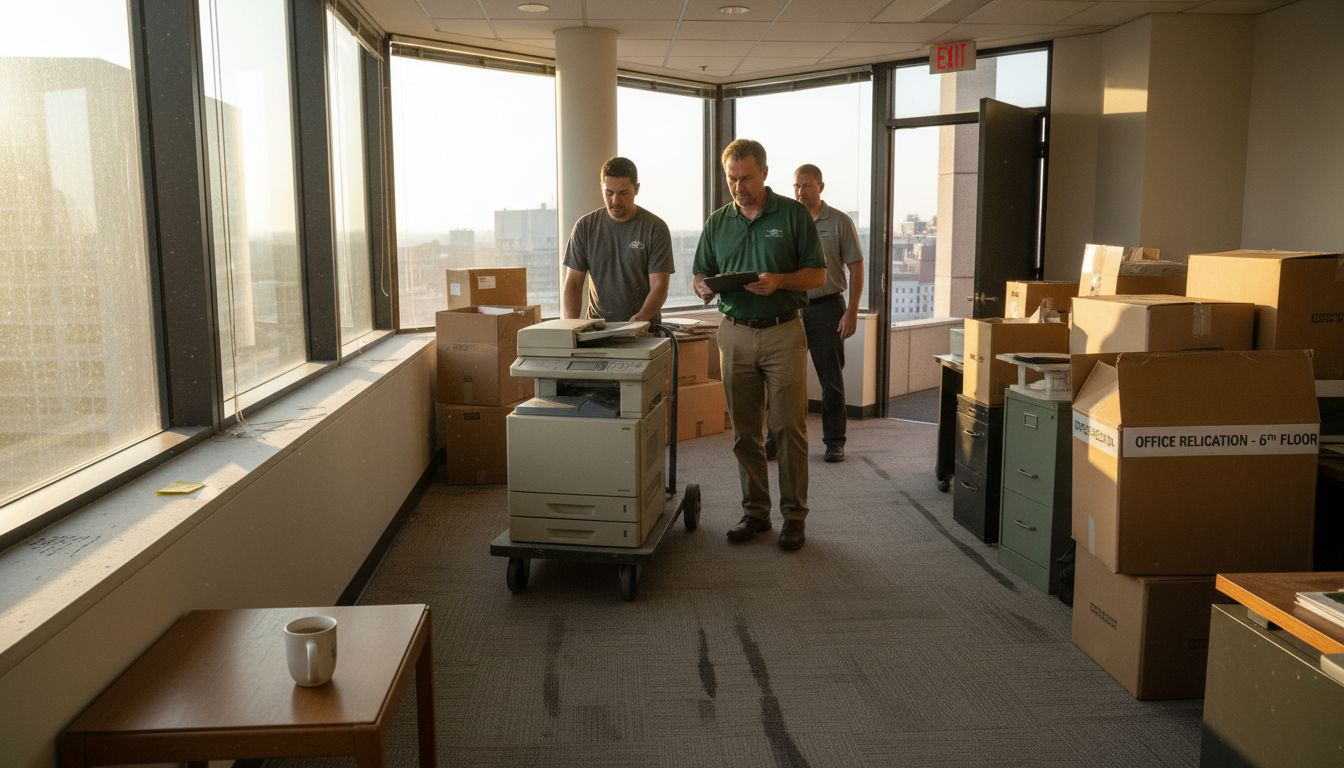
Managing commercial properties in Massachusetts often means facing the challenge of overflowing renovation debris or outdated office furniture cluttering valuable spaces. Owners and managers know that a messy environment can turn away potential tenants and frustrate current ones, making efficient junk removal a clear priority. A systematic assessment and meticulous planning can turn a daunting office cleanout into a straightforward process that improves property impression and boosts tenant satisfaction.
Table of Contents
Quick Summary
Key Point | Explanation |
1. Assess Waste Management Needs | Conduct a thorough evaluation to identify types and volumes of waste for effective removal planning. |
2. Document and Organize | Keep a detailed inventory and digital records of waste types and disposal methods for streamlined processes. |
3. Coordinate with Removal Service | Communicate clearly with junk removal teams about logistics and specific handling requirements to avoid complications. |
4. Oversee the Removal Process | Actively supervise the junk removal to ensure compliance with disposal plans and professional handling of all items. |
5. Verify Disposal Procedures | Review documentation and inspect the site post-removal to confirm all waste is disposed of properly and safely. |
Step 1: Assess Junk Removal Needs
Effective junk removal starts with a systematic assessment of your business’s specific waste management requirements. Understanding what needs to be cleared out helps you plan an efficient cleanout strategy that minimizes disruption and maximizes disposal effectiveness.
To conduct a thorough assessment, begin by systematically identifying waste types across your commercial space. This involves a comprehensive inventory that captures:
Volume of accumulated junk
Types of materials (furniture, electronics, construction debris)
Potential hazardous waste components
Location of different waste clusters
Estimated weight and removal complexity
A strategic assessment ensures targeted, efficient junk removal that addresses your most critical disposal needs.
Engaging key stakeholders like department managers, facilities staff, and team leaders can provide valuable insights into waste accumulation patterns. These conversations help uncover hidden junk zones and understand the specific disposal challenges unique to your business environment.
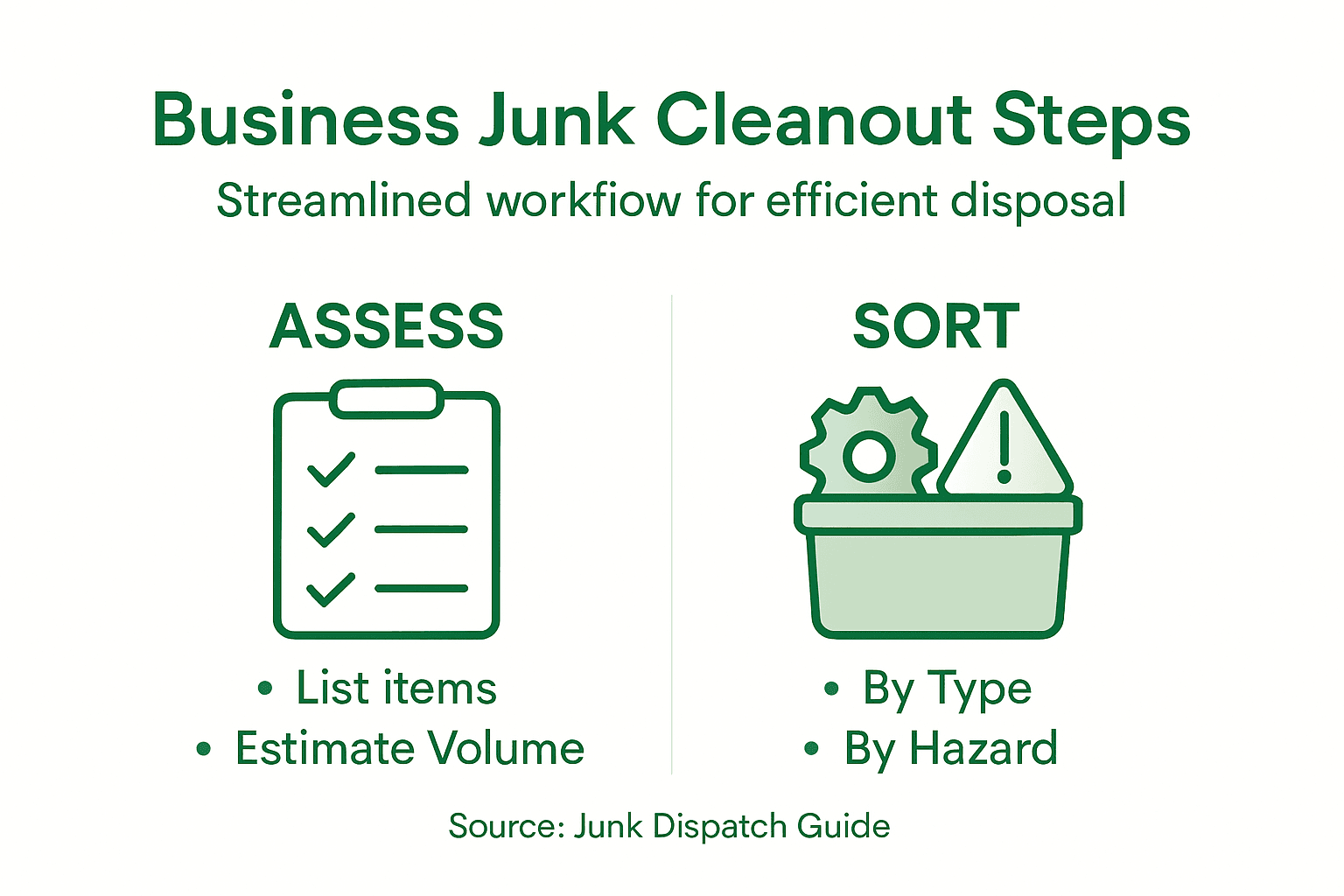
Document everything meticulously. Create a detailed spreadsheet or digital inventory that tracks each type of junk, its location, and potential disposal method. This documentation will be crucial when scheduling professional junk removal services and estimating project scope.
Here’s a comparison of common commercial junk types and their recommended disposal approaches:
Junk Type | Main Challenge | Best Disposal Method |
Office Furniture | Bulky, heavy items | Donation or recycling |
Electronic Waste | Data security risks | Certified e-waste recycler |
Construction Debris | Dust and sharp objects | Licensed landfill or reuse |
Hazardous Materials | Regulatory compliance | Specialized disposal firm |
Pro tip: Take digital photographs of junk areas to provide visual references for removal professionals and help them prepare appropriate equipment and resources in advance.
Step 2: Create a Customized Disposal Plan
With your initial junk assessment complete, the next critical step is developing a comprehensive disposal strategy tailored to your business’s specific waste management requirements. A well-crafted disposal plan ensures efficient, compliant, and environmentally responsible junk removal.
Begin by documenting all waste types and disposal methods. Your customized plan should include detailed information about:
Specific waste categories (hazardous vs. non-hazardous)
Estimated quantities of each waste type
Potential recycling or redistribution opportunities
Regulatory compliance requirements
Projected disposal costs
A comprehensive disposal plan serves as your operational roadmap for safe and efficient junk removal.
Categorize materials meticulously. Separate items into clear groups such as electronic waste, furniture, construction debris, and potentially hazardous materials. This granular approach helps streamline the disposal process and ensures each waste type receives appropriate handling.
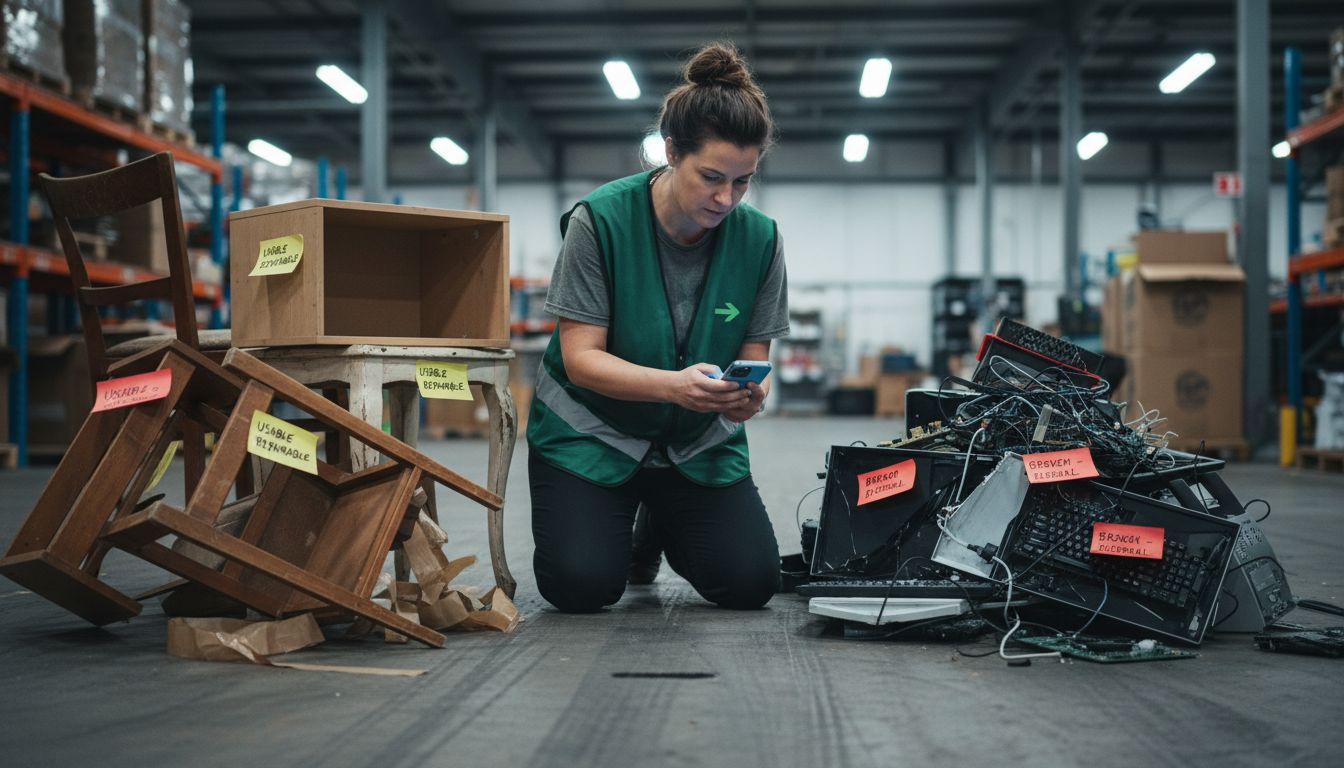
Coordinate with your chosen junk removal service to validate your disposal strategy. Discuss transportation logistics, potential recycling options, and any special handling requirements for unique or sensitive materials. Clear communication prevents unexpected complications during the removal process.
Pro tip: Create digital backups of your disposal plan and take photographs of items to be removed, which can help track the process and provide documentation for potential insurance or tax purposes.
Step 3: Schedule and Prepare for Pickup
After developing your customized disposal plan, the next crucial phase is scheduling and preparing for the actual junk removal. This step transforms your strategy into action, ensuring a smooth and efficient pickup process for your business.
Begin by registering with the dedicated online pickup system to submit your detailed waste removal request. Your scheduling process should include:
Selecting a convenient pickup date
Providing precise waste type and quantity details
Confirming access points for removal teams
Preparing necessary documentation
Verifying insurance and liability coverage
Proper preparation minimizes disruptions and ensures a streamlined junk removal experience.
Organize your waste strategically. Segregate materials by type, ensuring hazardous and non-hazardous items are clearly separated. Group similar items together and place them in designated areas that allow easy access for removal professionals. Clearly label containers and create a staging area that facilitates efficient loading.
Coordinate directly with your junk removal service about any special handling requirements. Discuss access logistics, potential challenges like narrow hallways or multiple floors, and any unique disposal needs for specialized equipment or sensitive materials. Clear communication prevents unexpected complications on pickup day.
Pro tip: Create a digital checklist and take photos of staged items before pickup to maintain a clear record and simplify potential insurance or tax documentation processes.
Step 4: Oversee Junk Removal Process
As the junk removal team arrives, your role shifts to active oversight, ensuring a smooth, efficient, and compliant disposal process. Effective supervision guarantees that every item is handled professionally and according to your predetermined plan.
Begin by coordinating with environmental health and safety staff to manage the removal process. Your active oversight should focus on:
Verifying team credentials and equipment
Monitoring item handling procedures
Confirming accurate waste segregation
Tracking removal progress in real-time
Addressing any unexpected challenges immediately
Proactive management transforms a routine junk removal into a seamless operational experience.
Maintain continuous communication with the removal team. Walk them through your staged items, highlight any special handling requirements, and ensure they understand the specific disposal needs for different materials. Pay special attention to potentially hazardous or sensitive equipment that demands extra care.
Document the entire removal process meticulously. Take photographs of items being removed, note any significant observations, and collect all necessary paperwork. This documentation serves as a critical record for potential future reference, insurance purposes, and maintaining your business’s compliance standards.
Pro tip: Create a digital folder immediately after pickup and upload all removal documentation, photos, and receipts to ensure easy access and organized record-keeping.
Step 5: Verify Disposal and Site Cleanliness
After the junk removal process is complete, your final responsibility is to conduct a comprehensive verification of disposal procedures and ensure the site meets stringent cleanliness standards. This critical final step confirms the effectiveness of your entire junk removal strategy.
Begin by carefully reviewing disposal documentation to confirm compliance with your original removal plan. Your verification process should encompass:
Examining disposal receipts and transportation logs
Confirming proper waste segregation and disposal
Checking for complete removal of all designated items
Inspecting the site for residual debris
Verifying regulatory and environmental standards
A thorough verification process protects your business from potential future complications.
Conduct a systematic site walkthrough. Meticulously examine the entire area where junk removal occurred, checking every corner, shelf, and potential hidden space. Look for any remaining materials, potential damage to surfaces, or signs of incomplete removal. Take detailed photographs documenting the site’s condition as final proof of successful cleanout.
Ensure all documentation is properly filed and stored. Collect and organize all removal receipts, disposal certificates, and photographic evidence. This documentation serves as a critical record for potential future audits, insurance purposes, and maintaining your business’s compliance standards.
The following table summarizes key checks for verifying disposal and site cleanliness:
Verification Aspect | What to Confirm | Why It Matters |
Documentation | Receipts and certificates filed | Ensures audit readiness |
Waste Segregation | Items sorted and traced | Regulatory compliance |
Area Inspection | No debris or damage present | Prevents operational delays |
Completion Photos | Clear before-and-after evidence | Proof for stakeholders |
Pro tip: Create a digital checklist with timestamp and photographic evidence to streamline your verification process and maintain a professional record of the junk removal project.
Streamline Your Business Junk Disposal with Junk Dispatch
Dealing with bulky office furniture, electronic waste, or construction debris can be overwhelming without a clear plan. This guide highlights the importance of assessing junk types, creating tailored disposal plans, and overseeing the removal process to avoid costly delays and regulatory issues. At Junk Dispatch, we understand these challenges and offer quick, reliable, and eco-friendly junk removal services across Massachusetts to help your business maintain a clean and compliant workspace.
Don’t let clutter slow down your business operations. Experience hassle-free junk removal with insured crews, transparent pricing, and flexible scheduling designed to fit your needs. Whether you need same-day service for a warehouse cleanout or help managing hazardous material disposal, Junk Dispatch provides expert solutions for every step. Get started now with a free estimate and take control of your commercial cleanout today. Learn more and book online at https://junkdispatch.com.
Frequently Asked Questions
How do I assess my business’s junk removal needs?
Effective assessment starts with identifying the types and volumes of waste in your space. Document your findings, including the different materials and their locations, to create a clear plan for efficient cleanout.
What should I include in my customized junk disposal plan?
Your disposal plan should detail specific waste categories, estimated quantities, recycling opportunities, and regulatory compliance requirements. Organize your materials clearly to help streamline the disposal process.
How can I prepare for junk pickup day at my business?
On pickup day, organize materials by type and ensure clear access for the removal team. Create a staging area with marked containers, and communicate any special handling requirements to avoid complications.
What should I do to oversee the junk removal process effectively?
Actively supervise the removal team by coordinating their actions and verifying all waste is handled according to your plan. Maintain open communication to address any unexpected challenges during the pickup.
How can I verify that all junk has been disposed of properly?
Conduct a thorough walkthrough of the area after removal to ensure no debris remains. Review disposal documentation and take photographs to keep a record of the cleanout process for future reference.
Recommended
Comments