Massachusetts Junk Removal: Eco-Friendly Solutions for Homes and Businesses
- Joe Lusso
- Feb 2
- 7 min read


Overflowing garages, offices filled with outdated equipment, or yards cluttered after a storm can quickly become overwhelming for Massachusetts residents and businesses. The state’s strict waste disposal regulations mean that junk removal involves more than just tossing everything in a dumpster—proper sorting and disposal are required for many materials, especially electronics and construction debris. Understanding how professional junk removal works gives you the confidence to clear clutter while supporting eco-friendly disposal methods, ensuring your space stays clean and compliant.
Table of Contents
Key Takeaways
Point | Details |
Environmental Focus | Junk removal in Massachusetts emphasizes environmental stewardship through responsible disposal and recycling practices. |
Service Variety | A range of services exists for both residential and commercial needs, addressing unique waste management challenges. |
Legal Compliance | Understanding state laws related to waste management and prohibited materials is crucial for effective junk removal. |
Transparent Pricing | Pricing structures must be clear and upfront, helping consumers avoid unexpected charges and supporting trustworthy service. |
Massachusetts Junk Removal Explained
Junk removal in Massachusetts represents more than just hauling away unwanted items - it’s a critical environmental management process deeply intertwined with state sustainability goals. The comprehensive waste disposal regulations highlight the complex ecosystem of responsible debris management that goes far beyond simple trash collection.
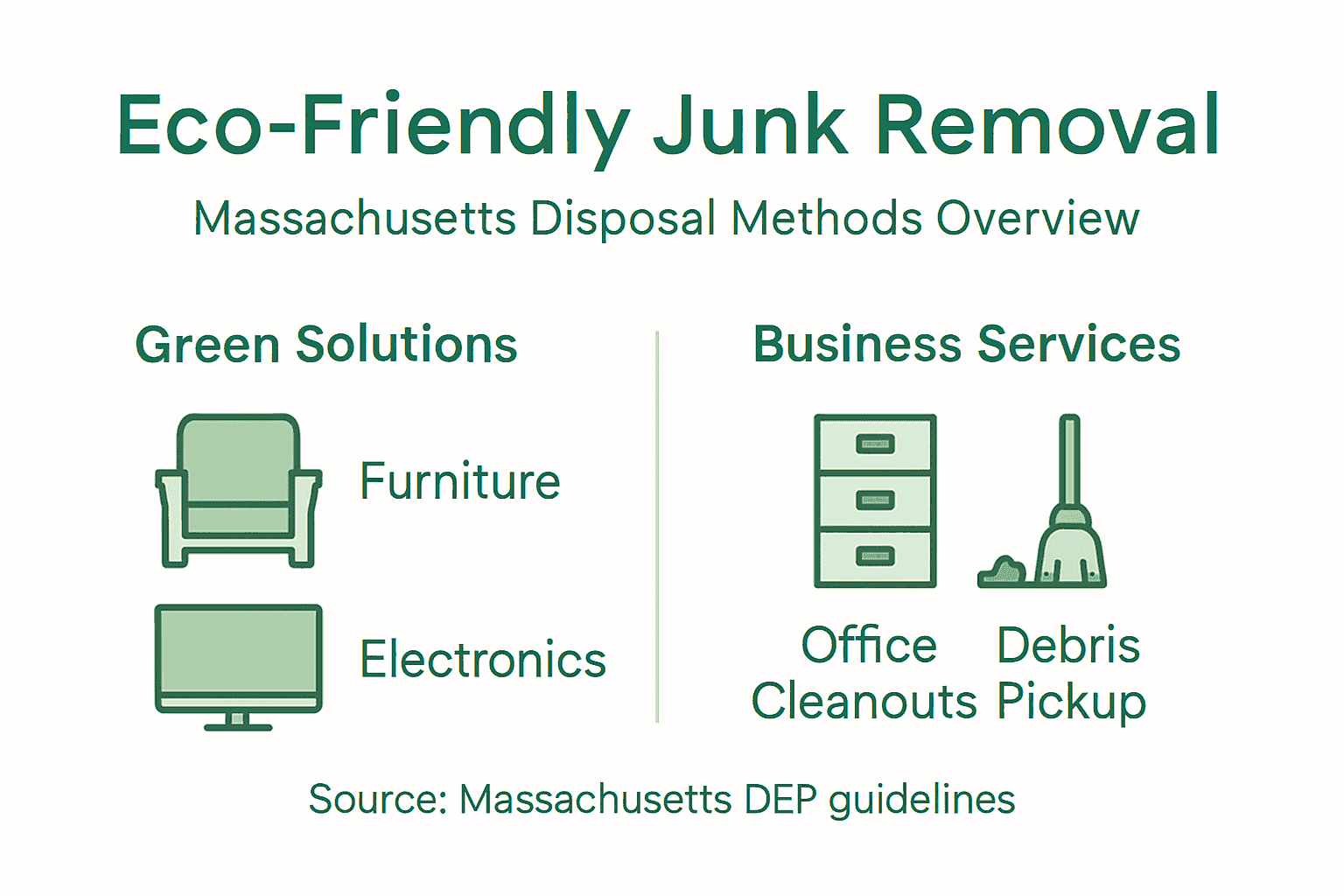
Massachusetts approaches junk removal through a systematic, environmentally conscious framework that prioritizes waste reduction and responsible disposal. The state’s municipal solid waste strategies emphasize several key principles:
Minimizing landfill contributions
Maximizing material recycling and repurposing
Ensuring proper handling of potentially hazardous materials
Supporting local waste management infrastructure
Commercial and residential clients in Massachusetts face unique waste management challenges. Urban centers like Boston generate significant debris volumes, requiring specialized removal strategies that balance efficiency with ecological responsibility. Professional junk removal services play a crucial role in navigating these complex waste management requirements.
The state’s waste management protocols demand more than traditional disposal methods. Junk removal professionals must carefully sort materials, identifying recyclable components and ensuring environmentally compliant disposal. This approach transforms what was once considered waste into potential resources, supporting Massachusetts’ broader sustainability objectives.
Pro tip: Before scheduling junk removal, pre-sort your items to streamline the process and potentially reduce your overall removal costs.
Types of Junk Removal Services Available
Massachusetts offers a diverse range of junk removal services tailored to meet the unique needs of residential and commercial clients. Waste management regulations have significantly shaped these services, ensuring environmentally responsible debris disposal across the state.
The primary types of junk removal services available in Massachusetts include:
Residential Junk Removal
Single-item pickup
Full home cleanouts
Garage and attic clearing
Yard waste removal
Commercial Junk Removal
Office furniture disposal
Construction debris removal
Warehouse cleanouts
Electronic waste management
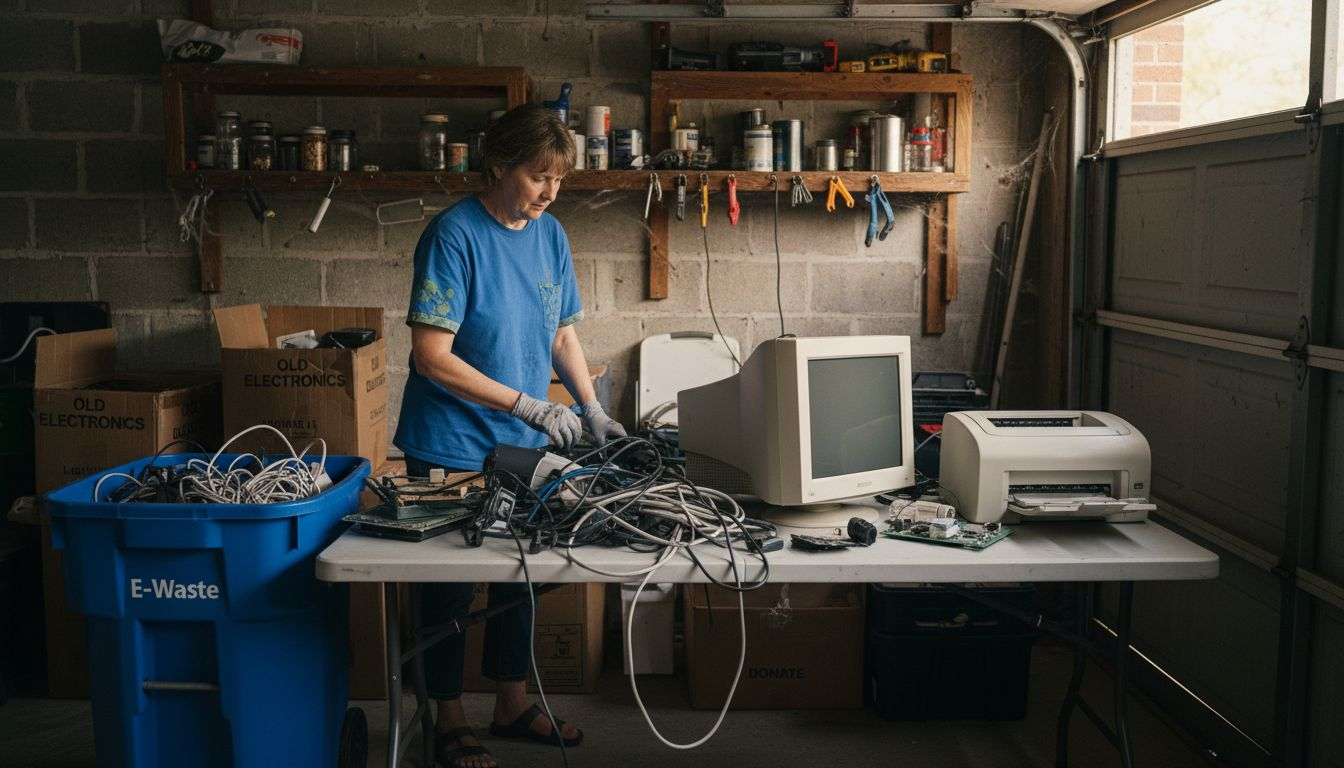
Specialized services have emerged to address specific waste management challenges. Electronic waste disposal requires particular attention, with strict guidelines for handling computers, smartphones, and other technological equipment. Construction sites generate substantial debris, necessitating dedicated removal services that can efficiently sort and recycle materials.
Here’s a quick comparison of residential versus commercial junk removal in Massachusetts:
Criteria | Residential Services | Commercial Services |
Typical client types | Homeowners, renters | Businesses, construction companies |
Common items removed | Furniture, appliances, yard debris | Office equipment, construction waste |
Scheduling flexibility | Evening and weekend availability | Often requires coordinated logistics |
Regulatory complexity | Moderate | Strict handling of hazardous or e-waste |
Unique to Massachusetts, many junk removal providers now emphasize eco-friendly disposal methods. These services go beyond simple trash removal, carefully sorting materials for recycling, donation, and responsible disposal. Urban centers like Boston have particularly robust systems that support sustainable waste management practices.
Effective junk removal is not just about removal - it’s about responsible environmental stewardship.
Pro tip: Request a detailed breakdown of how your junk removal service plans to recycle or responsibly dispose of your items before scheduling.
How Professional Junk Removal Works
Professional junk removal in Massachusetts follows a comprehensive, environmentally conscious process designed to maximize waste diversion and minimize environmental impact. Waste management regulations guide each step of the professional removal process, ensuring responsible handling of various debris types.
The typical professional junk removal workflow includes several critical stages:
Initial Consultation and Assessment
On-site evaluation of junk volume
Identification of item types
Determination of appropriate disposal methods
Sorting and Categorization
Separating recyclable materials
Identifying items for donation
Preparing hazardous waste for specialized disposal
Electronic waste and construction debris require specialized handling due to complex disposal regulations. Professional teams are trained to navigate these intricate requirements, ensuring that each item is processed according to Massachusetts environmental standards.
Most professional junk removal services in Massachusetts operate with a multi-step disposal strategy. This approach involves careful sorting, maximizing recycling potential, and minimizing landfill contributions. Urban centers like Boston have particularly advanced systems that support sophisticated waste management practices, integrating technology and environmental consciousness.
Professional junk removal transforms waste management from a simple disposal task into a strategic environmental solution.
Pro tip: Ask your junk removal service about their specific recycling and donation partnerships to understand the full environmental impact of your debris removal.
Massachusetts Laws and Eco-Friendly Disposal
Massachusetts has developed a comprehensive legal framework to ensure responsible waste management and environmental protection. Waste disposal regulations play a crucial role in guiding junk removal practices, compelling businesses and residents to adopt sustainable disposal methods.
Key legal requirements for eco-friendly disposal in Massachusetts include:
Prohibited Materials
Banned from landfills and incinerators
Mandatory recycling for specific waste types
Strict penalties for non-compliance
Recycling Mandates
Comprehensive sorting requirements
Prioritization of material recovery
Incentives for waste reduction
Electronic waste and hazardous materials require specialized handling under Massachusetts law. Junk removal services must follow rigorous protocols to ensure proper sorting, transportation, and disposal of these sensitive materials, with significant legal consequences for improper management.
The state’s environmental regulations create a robust system that transforms waste management from a simple disposal task into a strategic environmental protection initiative. Urban centers like Boston lead the way in implementing advanced waste diversion strategies that go beyond basic legal requirements.
Effective waste management is not just a legal obligation - it’s a commitment to environmental stewardship.
Pro tip: Request a detailed waste handling certification from your junk removal service to ensure full compliance with Massachusetts environmental regulations.
Pricing Structures and Common Cost Factors
Junk removal pricing in Massachusetts is governed by transparent regulations designed to protect consumers from unexpected charges. Junk removal pricing guidelines ensure that service providers clearly communicate costs upfront, preventing hidden fees and unexpected expenses.
The primary factors influencing junk removal pricing include:
Volume and Weight
Measured in cubic yards or truck space
Heavier items typically cost more
Precise volume estimates impact final price
Material Complexity
Electronic waste disposal costs
Hazardous material handling fees
Construction debris removal charges
Pricing models vary across different Massachusetts junk removal services, but most follow a straightforward volume-based approach. Urban areas like Boston may have additional factors affecting pricing, such as parking difficulties, building access, and local disposal regulations.
Summary of key cost factors for junk removal pricing:
Cost Factor | Impact on Price | Notes |
Item volume/weight | Higher amounts cost more | Measured per cubic yard or ton |
Material type | Increases handling fees | E-waste or hazardous items cost extra |
Disposal method | Fees vary by process | Recycling and donation may reduce cost |
Professional junk removal services typically provide transparent pricing structures that break down costs associated with labor, transportation, disposal fees, and eco-friendly processing. This approach helps consumers understand exactly what they’re paying for and supports the state’s commitment to responsible waste management.
Transparent pricing is not just about cost - it’s about building trust and environmental responsibility.
Pro tip: Request a detailed written estimate that itemizes all potential charges before scheduling your junk removal service.
Eco-Friendly Junk Removal Solutions Tailored for Massachusetts Homes and Businesses
Massachusetts residents and businesses face the challenge of managing junk responsibly while meeting strict environmental guidelines. If you want to reduce landfill waste, ensure proper recycling, and navigate the complex regulations around hazardous and electronic waste, professional support is essential. The key pain points include transparent pricing, flexible scheduling, and eco-conscious disposal methods that honor the state’s sustainability goals.
Junk Dispatch understands these demands and offers a comprehensive, eco-friendly junk removal service designed to make your cleanouts simple and compliant. Whether you need same-day removal of appliances, yard debris, or construction waste, our insured crews prioritize responsible sorting, donation, and recycling to support Massachusetts’ environmental standards.
Ready to experience stress-free junk removal with clear pricing and guaranteed satisfaction?
Explore how we can help at Junk Dispatch today to take the next step toward clutter-free, eco-conscious living.
Don’t wait until the junk piles up or regulatory burdens grow. Book your service now for quick, reliable, and environmentally responsible junk removal in Massachusetts.
Frequently Asked Questions
What types of items can be removed through junk removal services?
Junk removal services can handle a variety of items, including furniture, appliances, yard debris, office equipment, construction debris, and electronic waste.
How does professional junk removal prioritize eco-friendly practices?
Professional junk removal services in Massachusetts follow strict regulations that emphasize sorting materials for recycling and responsible disposal, reducing landfill contributions and maximizing material repurposing.
What should I do to prepare for a junk removal appointment?
Before your junk removal service, it’s helpful to pre-sort your items. This can streamline the process and may even reduce your overall removal costs.
Are there specific laws governing junk removal and waste disposal in Massachusetts?
Yes, Massachusetts has comprehensive waste management regulations that include prohibitions on certain materials in landfills, mandates for recycling, and strict guidelines for the disposal of hazardous and electronic waste.
Recommended
Comments