Role of Junk Removal in Property Management Success
- Joe Lusso
- Feb 4
- 7 min read

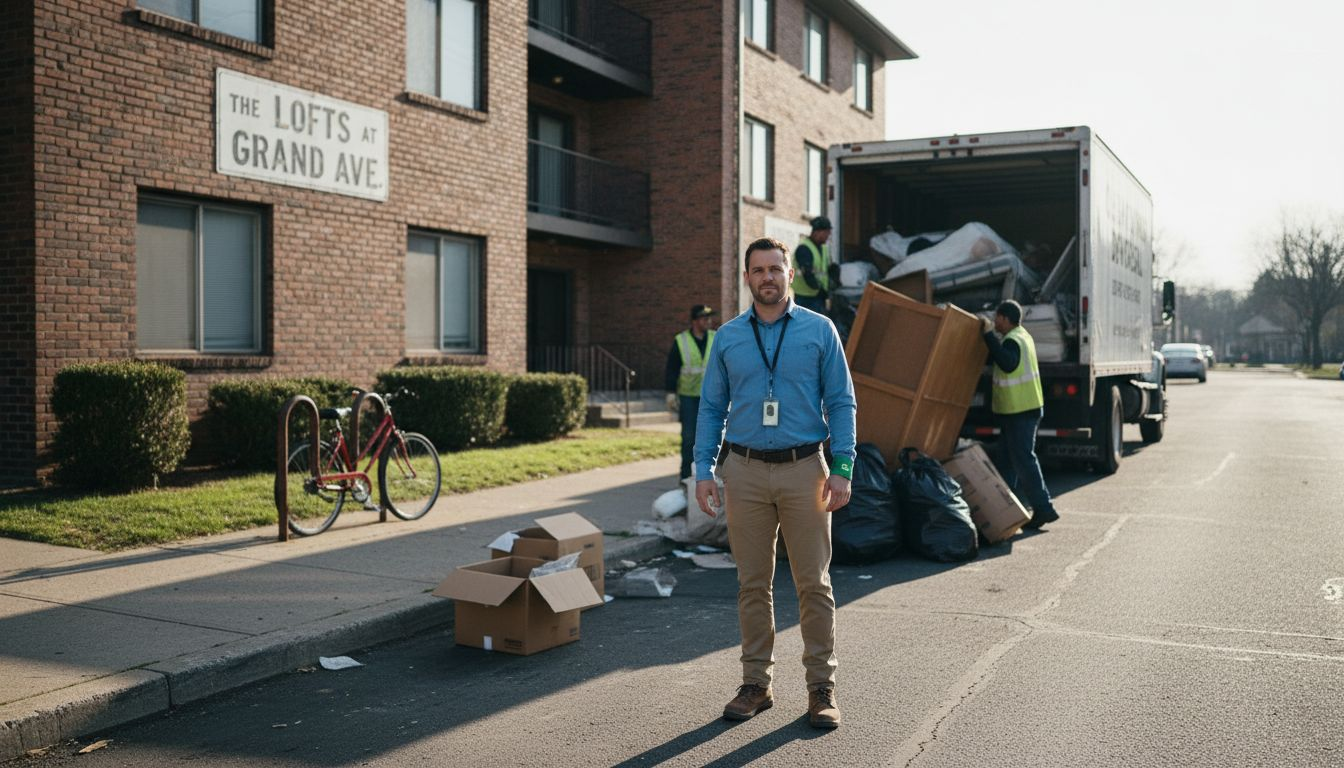
Overflowing storage rooms and lingering construction debris can quickly turn property upkeep into a challenge for Massachusetts property managers. Keeping residential and commercial spaces clear of unwanted items not only maintains curb appeal but also supports safety and fast tenant turnover. By leveraging professional junk removal for efficient property maintenance, managers can reduce downtime, stay compliant with regulations, and ensure their investments remain in top condition.
Table of Contents
Key Takeaways
Point | Details |
Junk Removal is Essential for Property Management | Effective junk removal supports property value, tenant satisfaction, and operational efficiency. |
Distinct Waste Types in Residential vs. Commercial | Different properties generate unique waste profiles requiring tailored removal strategies. |
Streamlining Turnover with Junk Removal | Professional junk removal accelerates tenant turnover, creating market-ready spaces quickly. |
Cost-Effectiveness of Professional Services | Investing in junk removal can significantly reduce vacancy periods and maintenance costs, enhancing ROI. |
Junk Removal Defined for Property Managers
Junk removal for property managers is a critical operational strategy that goes far beyond simply clearing out unwanted items. It represents a comprehensive approach to maintaining property value, ensuring safety, and creating efficient spaces for residential and commercial properties. Property maintenance involves strategic debris management that directly impacts tenant satisfaction and property aesthetics.
At its core, junk removal encompasses the professional extraction and responsible disposal of various materials, including:
Furniture and appliance disposal
Construction and renovation debris
Office equipment and electronic waste
Yard waste and landscaping remnants
Bulk items that obstruct property functionality
Property managers specifically benefit from professional junk removal services that offer commercial junk disposal strategies designed to streamline property management processes. These services provide more than simple hauling - they deliver comprehensive solutions that address complex waste management challenges across different property types.
Understanding the nuanced requirements of junk removal helps property managers optimize their operational workflows. Professional services handle everything from small residential cleanouts to large-scale commercial property clearing, ensuring minimal disruption and maximum efficiency. The goal is not just removing items, but creating clean, functional spaces that enhance property value and tenant experiences.
Pro tip: Schedule regular junk removal assessments to prevent accumulated debris from becoming a significant management challenge.
Key Junk Types Across Residential and Commercial
Property managers encounter diverse waste streams that require strategic management across residential and commercial settings. Comprehensive junk removal services address the unique challenges presented by different property types, ensuring efficient debris handling and disposal.
Residential junk typically encompasses a wide range of materials:
Old furniture and household appliances
Outdated electronics and e-waste
Construction and renovation debris
Yard waste and landscaping remnants
Personal storage clutter and accumulated household items
Commercial properties generate distinctly different waste profiles that demand specialized removal strategies. These often include:
Obsolete office equipment and furniture
Retail display fixtures and packaging materials
Industrial machinery and equipment
Warehouse inventory clearance items
Construction and demolition waste
The complexity of junk removal extends beyond simple collection. Professional services must navigate intricate disposal requirements, environmental regulations, and recycling protocols specific to each waste category. Proper categorization and handling ensure that property managers can maintain clean, functional spaces while minimizing environmental impact.
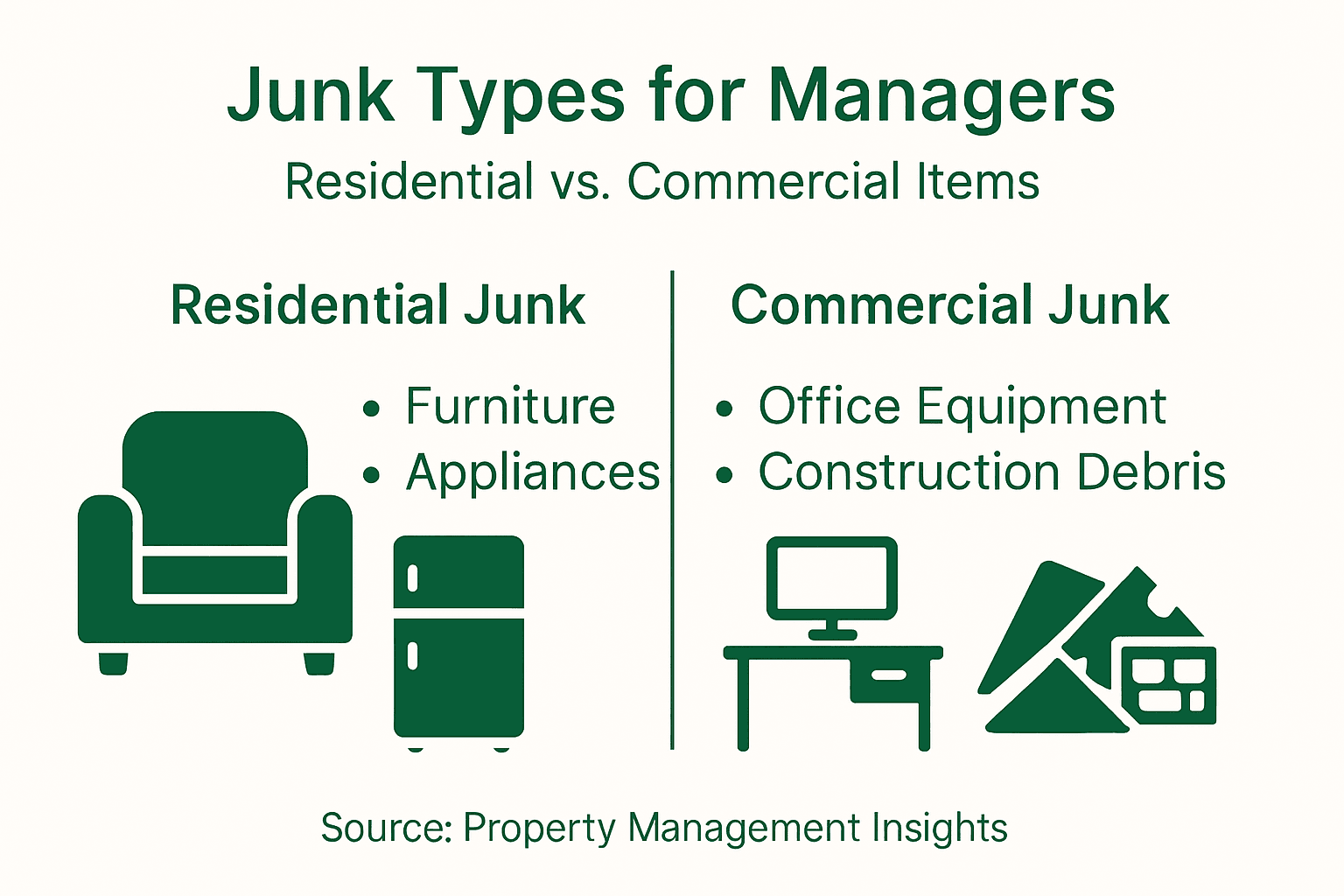
Here’s a summary comparing junk removal needs for residential versus commercial properties:
Aspect | Residential Properties | Commercial Properties |
Typical Junk Volume | Lower, sporadic | Higher, more frequent |
Regulatory Exposure | Local codes, moderate risk | Stricter compliance, increased legal risk |
Tenant Satisfaction | Maintains living space comfort | Impacts business operations |
Disposal Complexity | Simple, mixed household items | Complex, includes hazardous or bulky items |
Pro tip: Develop a systematic waste inventory and categorization process to streamline your property’s junk removal workflow and reduce overall disposal costs.
How Junk Removal Streamlines Turnover and Maintenance
Property managers face constant pressure to minimize vacancy periods and maintain property value, making efficient turnover strategies critical to operational success. Junk removal plays a pivotal role in accelerating property preparation and reducing downtime between tenant transitions.
The turnover process benefits from professional junk removal through several key mechanisms:
Rapid clearance of tenant-left items
Immediate identification of potential maintenance issues
Creating clean, marketable spaces for new occupants
Preventing potential damage from accumulated debris
Enabling faster cleaning and repair workflows
Property maintenance becomes significantly more streamlined when junk removal is integrated into the standard turnover protocol. Professional services can quickly extract unwanted furniture, appliances, construction debris, and personal items, allowing maintenance teams to assess and repair properties without unnecessary obstacles.

Moreover, strategic junk removal supports long-term property value by ensuring consistent, well-maintained spaces. By removing clutter and potential hazards swiftly, property managers can reduce repair times, minimize potential damage, and create an attractive environment that appeals to prospective tenants.
Pro tip: Schedule professional junk removal immediately after tenant move-out to compress turnover timelines and maintain consistent property revenue streams.
Legal, Safety, and Environmental Considerations
Property managers must navigate complex waste management regulations that encompass legal, safety, and environmental considerations. Understanding these critical requirements helps prevent potential liabilities and ensures responsible debris disposal across residential and commercial properties.
Key legal and safety considerations include:
Proper hazardous material identification
Compliance with local and state waste disposal regulations
Worker safety protocols during junk removal
Environmental protection standards
Documentation and tracking of waste streams
Liability protection for property managers
Environmental responsibility plays a crucial role in modern junk removal practices. Property managers must ensure that waste is categorized, sorted, and disposed of according to specific guidelines that minimize environmental impact. This includes prioritizing recycling, avoiding landfill overload, and selecting disposal methods that align with sustainable waste management principles.
Safety considerations extend beyond environmental concerns, encompassing worker protection, proper equipment usage, and risk mitigation strategies. Professional junk removal services must maintain strict safety standards, use appropriate personal protective equipment, and follow established protocols to prevent workplace injuries and potential legal complications.
Pro tip: Develop a comprehensive waste management policy that outlines clear guidelines for safe, legal, and environmentally responsible junk removal across your property portfolio.
Cost Implications and Return on Investment
Property managers must strategically evaluate the financial impact of junk removal beyond its immediate expense. Professional junk removal services represent a critical investment that generates substantial long-term economic benefits across residential and commercial property portfolios.
Key financial advantages of professional junk removal include:
Reduced vacancy periods
Prevention of costly property damage
Enhanced property marketability
Minimized maintenance and repair expenses
Increased tenant retention rates
Improved property valuation
Cost-benefit analysis reveals that proactive junk removal significantly outweighs the initial service expense. By swiftly clearing debris, property managers prevent potential issues like structural damage, pest infestations, and tenant dissatisfaction that could result in more expensive long-term repairs and lost rental income.
Moreover, efficient junk removal accelerates property turnover processes, enabling faster tenant transitions and minimizing revenue interruptions. Professional services streamline property preparation, allowing managers to reduce downtime, maintain competitive rental rates, and create appealing living and working environments that attract quality tenants.
For quick reference, here’s how professional junk removal supports property management ROI:
Benefit | Economic Impact | Operational Effect |
Reduced Vacancy Period | Sustains rental income | Enables faster turnovers |
Prevented Property Damage | Cuts major repair costs | Limits maintenance disruption |
Improved Marketability | Enhances rental value | Attracts quality tenants |
Lower Annual Maintenance Expense | Fewer service calls | Streamlined repair cycles |
Pro tip: Calculate your annual junk removal expenses against potential maintenance and vacancy costs to demonstrate the true return on investment for professional debris management services.
Simplify Property Management with Expert Junk Removal Solutions
Managing waste and debris efficiently is a major challenge for property managers juggling tenant turnover, maintenance, and regulatory compliance. The article highlights how strategic junk removal accelerates property turnover, reduces repair costs, and ensures regulatory safety and environmental responsibility. If you want to eliminate clutter quickly and maintain high tenant satisfaction, professional junk removal is essential.
Junk Dispatch offers reliable same-day junk removal services tailored for Massachusetts property managers. Whether dealing with residential clutter, commercial office cleanouts, or construction debris, our insured crews ensure fast, eco-friendly disposal while minimizing disruption to your operations. We understand the urgency to reduce vacancy periods and protect property value by removing unwanted items promptly. Learn how our comprehensive services can streamline your workflows and increase your return on investment at Junk Dispatch.
Take control of your property management challenges today with efficient, eco-conscious junk removal designed to save time and money.
Ready for hassle-free cleanup?
Schedule your free estimate now at Junk Dispatch and experience professional junk removal that supports your property’s success. Explore key tips and strategies for commercial cleanouts in our informative guide at 7 Essential Commercial Cleanout Tips. Start transforming your property maintenance approach today.
Frequently Asked Questions
What is junk removal in property management?
Junk removal in property management refers to the professional extraction and responsible disposal of unwanted materials such as furniture, appliances, construction debris, and more. It helps maintain property value, ensures safety, and creates efficient spaces for tenants.
Why is professional junk removal important for property managers?
Professional junk removal is crucial for property managers as it streamlines operational workflows, minimizes vacancy periods, enhances tenant satisfaction, and addresses legal and environmental compliance issues. It ensures that properties remain clean and functional for current and future tenants.
How does junk removal affect property turnover?
Junk removal plays a significant role in property turnover by rapidly clearing items left by previous tenants, identifying maintenance issues, and creating marketable spaces for new occupants. This results in faster preparation times and reduced downtime between tenants.
What should property managers consider regarding legal and environmental aspects of junk removal?
Property managers must navigate legal obligations such as proper hazardous material identification, compliance with waste disposal regulations, and worker safety protocols. Environmental considerations include prioritizing recycling and selecting disposal methods that minimize ecological impact.
Recommended
Comments