Junk Removal’s Impact on Facility Upkeep in Massachusetts
- Joe Lusso
- Jan 24
- 11 min read

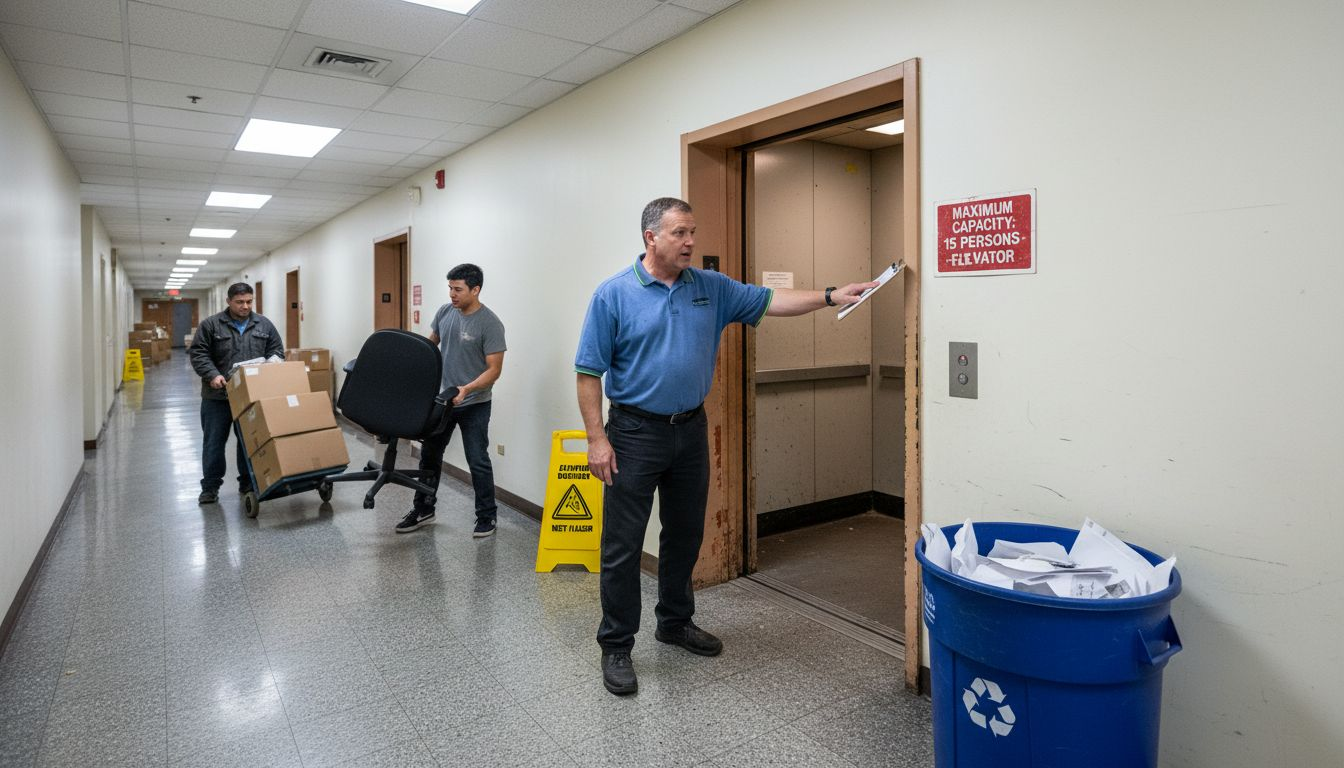
Overflowing storage rooms and cluttered workspaces are familiar headaches for property managers across Massachusetts. Maintaining commercial facilities goes beyond surface cleaning—systematic junk removal is an essential part of keeping environments safe, functional, and compliant with state standards. Choosing a reliable, eco-friendly junk removal service benefits your team’s efficiency, protects property value, and supports your commitment to sustainability, giving you a practical edge in facility upkeep.
Table of Contents
Key Takeaways
Point | Details |
Importance of Junk Removal | Junk removal is vital for maintaining operational efficiency and safety in facilities, minimizing hidden costs associated with clutter. |
Legal Compliance | Regular junk removal is not just a best practice; it is a legal requirement in Massachusetts to avoid fines and ensure property standards are met. |
Safety Enhancements | Effective junk removal significantly reduces safety hazards, promoting a safer work environment and minimizing injury risks. |
Cost-Benefit Realization | Investing in professional junk removal leads to long-term savings by improving efficiency and reducing hidden operational costs. |
Role of Junk Removal in Facility Maintenance
Junk removal is far more than just clearing out unwanted items. It’s a fundamental component of facility maintenance that directly impacts operational efficiency, safety, and property value. When clutter and debris accumulate in commercial spaces, warehouses, offices, or industrial facilities, they create hidden costs that compound over time. Excess materials obstruct workflows, create safety hazards, and strain your team’s ability to maintain clean, organized environments. Effective junk removal ensures your facility operates at peak performance while supporting the broader maintenance goals your organization needs to achieve.
The connection between waste management and facility upkeep runs deeper than most property managers realize. According to facility management best practices, maintaining safe and functional facility environments requires systematic waste management alongside routine cleaning and maintenance. When debris, old furniture, broken equipment, and accumulated junk remain on site, they compromise your ability to conduct proper inspections, repairs, and cleaning protocols. Professional junk removal eliminates these obstacles, allowing your maintenance team to access all areas of your facility easily and perform their work without navigating around piles of waste. This means fewer safety incidents, faster maintenance cycles, and less time spent managing clutter instead of addressing actual facility needs.
For property managers in Massachusetts, the practical impact becomes clear when you consider construction debris, office renovations, or warehouse reorganizations. Projects that generate significant waste can halt normal operations if the debris isn’t removed promptly. When you partner with a service that handles construction debris removal efficiently, your facility returns to full functionality faster. This allows your maintenance schedule to continue uninterrupted, prevents the accumulation of hazardous materials, and maintains the professional appearance clients and employees expect. Beyond aesthetics, regular junk removal prevents damage to facility infrastructure, reduces pest infestations caused by accumulated waste, and supports your organization’s operational continuity.
Pro tip: Schedule quarterly facility walk-throughs to identify junk accumulation before it becomes a maintenance problem, then coordinate removal during slower business periods to minimize operational disruption.
Types of Junk and Removal Services
Junk removal services aren’t one-size-fits-all. Different facilities generate different types of waste, and understanding your specific needs helps you choose the right service. Junk removal services generally break down into three main categories: residential, commercial, and specialized. For property managers in Massachusetts managing office buildings, warehouses, or mixed-use facilities, knowing which category applies to your situation determines how quickly and efficiently your waste gets handled.
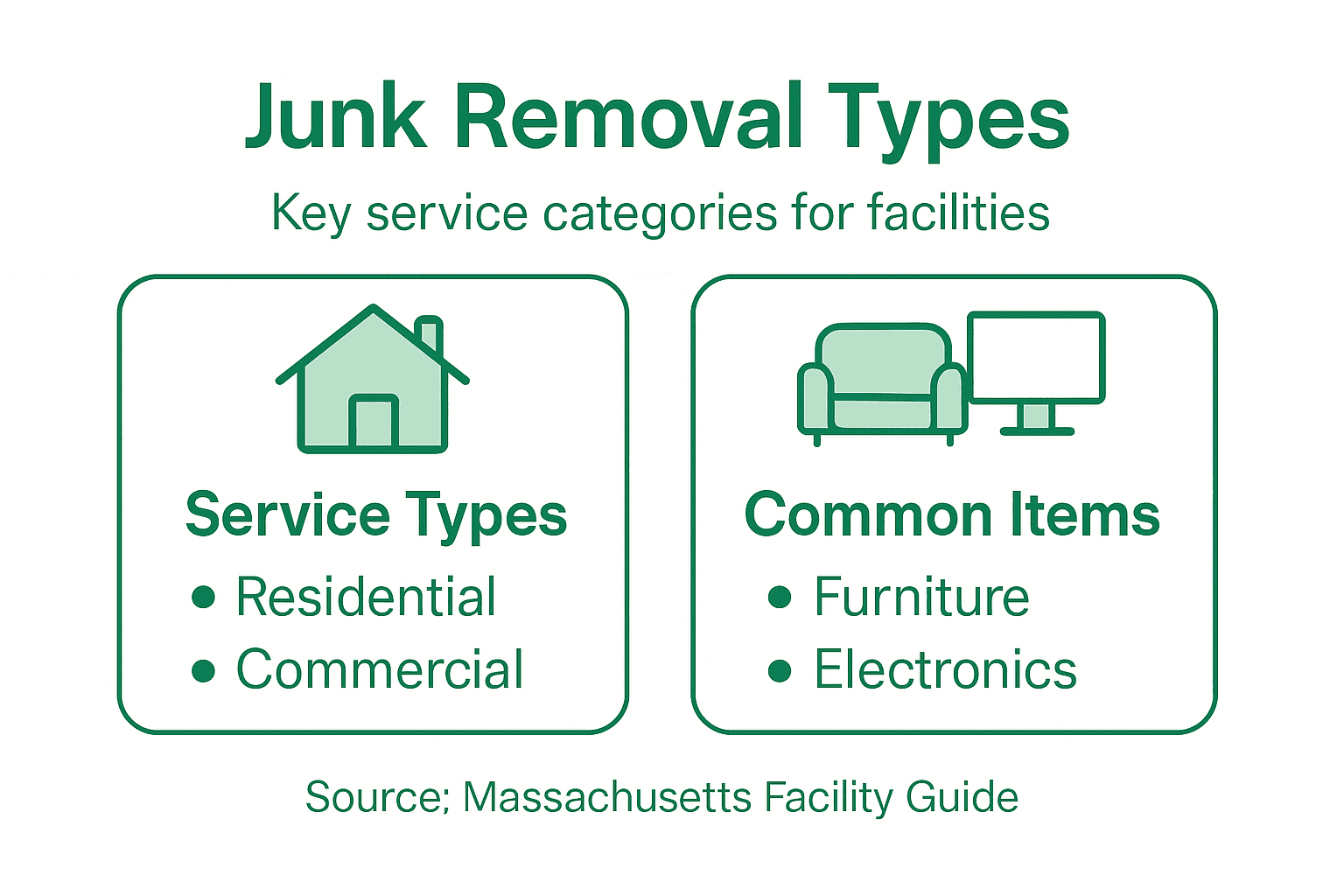
Residential junk removal handles household items like old furniture, appliances, and general household clutter. Commercial junk removal tackles a broader scope, addressing office waste, warehouse materials, and construction site debris. If your facility underwent renovation or equipment upgrades, commercial removal services handle the displaced materials efficiently. Specialized services take things further, managing electronic waste, hazardous materials, and estate cleanouts that require compliance with specific regulations. For Massachusetts facilities dealing with old HVAC systems, outdated office equipment, or construction byproducts, specialized removal ensures proper disposal while keeping your facility compliant with state environmental standards.
The service models vary based on your operational needs and timeline. Full-service junk removal means professionals handle everything from sorting and loading to transportation and disposal, which works best when you need immediate results with minimal disruption. This approach suits busy property managers who can’t dedicate staff time to managing the removal process. Your team simply schedules the service, and the crew manages the heavy lifting. On the other end, self-service dumpster rentals give you flexibility and control, allowing your maintenance staff to load materials on their timeline. Many facilities in Essex County and surrounding areas use a combination approach, relying on professional services for large projects while maintaining dumpsters for ongoing waste management.
When you operate commercial facilities in Massachusetts, your specific junk removal needs probably include construction debris from renovations, old office furniture during relocations, and regular operational waste. Partner with a provider offering comprehensive services so you’re not juggling multiple vendors. Look for companies that handle everything from appliance removal to yard waste to construction cleanup in one coordinated effort.
Here’s a comparison of junk removal service models and their benefits for facility managers:
Service Model | Best Use Case | Facility Team Involvement | Speed of Implementation |
Full-Service Junk Removal | Large-scale cleanouts | Minimal, professionals handle | Fast, often same day |
Self-Service Dumpster Rental | Ongoing operational waste | High, staff loads materials | Flexible, staff managed |
Combination Approach | Facilities with varied needs | Shared, pros and staff assist | Balanced, project-based |
Pro tip: Document what types of junk your facility generates each quarter, then match those items to service categories before booking, ensuring you get the right crew for the job and avoid unnecessary delays.
How Junk Removal Enhances Facility Safety
Facility safety isn’t just about compliance documents and training sessions. It starts with the physical environment your employees and visitors navigate every day. Accumulated junk creates real hazards that compound over time. Piles of old equipment, stacked materials, broken furniture, and scattered debris transform your workspace into a minefield of trip hazards, blocked emergency exits, and unstable structures waiting to collapse. Professional junk removal eliminates these dangers systematically, transforming cluttered spaces into safe, organized areas where people can work without injury risk. When you remove excess materials from hallways, stairwells, storage areas, and work zones, you restore clear pathways and functional emergency routes that protect everyone in your facility.
The connection between clutter and workplace injuries runs deeper than most property managers realize. Effective junk removal reduces trip hazards and eliminates potential sources of contamination or fire in facilities. A single pile of old boxes blocking a hallway creates multiple injury scenarios: employees tripping and falling, items toppling onto people, or difficulty evacuating during emergencies. Construction debris left on site introduces sharp edges, exposed nails, and unstable materials. Hazardous items like old batteries, chemical containers, or electronic waste pose both immediate and long-term health risks. When professional junk removal crews clear these materials properly, they’re not just tidying up, they’re removing genuine threats to human safety and facility integrity.

Beyond individual injuries, workplace safety improvements drive operational efficiency and reduce costs associated with accidents and downtime. Facilities maintaining organized, hazard-free environments experience fewer workers’ compensation claims, lower insurance premiums, and improved employee retention. Your team works faster and more effectively when they’re not navigating around obstacles or worrying about safety risks. In Massachusetts facilities managing multiple buildings or large warehouse spaces, the cumulative impact of regular junk removal becomes measurable: fewer incidents, less lost productivity, and employees who feel genuinely safe performing their jobs. When you invest in professional removal services, you’re investing in a safer operation that runs more smoothly.
Consider the specific hazards your facility generates. Warehouses accumulate pallets and damaged goods. Office spaces collect old furniture and outdated equipment. Maintenance areas gather broken tools and scrap metal. Each type of junk creates distinct safety challenges. Professional removal services understand these risks and handle materials appropriately, using proper equipment and techniques to prevent injuries during the removal process itself.
Pro tip: Conduct a facility safety audit to identify junk-related hazards in high-traffic areas, then prioritize removal of items blocking emergency exits, stairwells, and evacuation routes first to eliminate your highest-risk exposures.
Legal Standards for Property Maintenance
Property maintenance isn’t optional in Massachusetts. It’s legally mandated. Federal, state, and local regulations establish minimum standards that property owners and facility managers must follow. Understanding these requirements protects you from liability, violations, and costly penalties while ensuring your facilities meet legal obligations. The consequences of neglecting property maintenance standards extend beyond poor facility conditions. Non-compliance can result in fines, legal disputes with tenants or employees, liability for injuries caused by unsafe conditions, and damage to your organization’s reputation. When junk accumulates and maintenance suffers, you’re not just dealing with operational inefficiency, you’re potentially violating state law.
Massachusetts facility management standards provide comprehensive guidance for property upkeep, covering security, cleaning, waste management, pest control, health, and safety compliance. These standards align with federal best practices and establish clear expectations for how facilities must be maintained. For property managers overseeing commercial buildings, warehouses, or mixed-use facilities, these guidelines shape your maintenance obligations. Waste management represents a critical component of these standards. Accumulated junk violates the principle of maintaining safe, sanitary, and well-organized facilities. When debris piles up in storage areas, loading zones, or work spaces, you’re out of compliance with state facility management guidance.
Beyond facility management standards, Massachusetts housing code requirements specify maintenance obligations for habitability and safety. The State Sanitary Code outlines minimum standards for plumbing, heating, pest control, garbage disposal, and emergency egress conditions. Local health departments enforce these standards through inspections and compliance reviews. If your facility contains residential units or mixed-use spaces with housing components, these regulations directly apply to your property. Junk removal becomes a legal necessity, not a convenience option. Blocked exits, pest infestations caused by accumulated waste, or unsanitary conditions create code violations that inspectors can cite during routine reviews. Property owners who ignore these requirements face escalating penalties and potential loss of occupancy certificates.
For commercial property managers in Massachusetts, the practical reality is straightforward. Regular junk removal isn’t just good facility management practice, it’s a legal requirement embedded in state standards. Whether you operate offices, warehouses, manufacturing facilities, or mixed-use properties, you must maintain clean, organized environments free from excessive clutter. Professional junk removal services help you stay compliant by removing materials systematically, preventing the accumulation that triggers code violations. When you document your removal efforts, you create evidence of your good-faith compliance with Massachusetts facility management and sanitary code requirements.
Pro tip: Schedule quarterly facility inspections using your state’s facility management standards checklist, documenting junk removal and waste management practices to demonstrate compliance during any code enforcement reviews.
Cost, Efficiency, and Eco-Friendly Options
Junk removal costs money, but avoiding it costs more. Property managers often hesitate about budgeting for professional removal services, viewing it as an extra expense rather than an investment in facility operations. The reality is different. When you calculate the true costs of accumulated junk, professional removal becomes financially sensible. You’re comparing the cost of a single removal service against ongoing expenses: damaged equipment from cluttered storage areas, lost productivity while teams navigate around debris, increased pest control treatments triggered by accumulated waste, higher insurance premiums from unreported safety incidents, and potential fines from code violations. Over a year, these hidden costs typically exceed what you would have paid for regular professional junk removal.
Efficiency gains compound when you eliminate clutter systematically. Your maintenance team works faster when they access storage areas easily. Your facilities stay cleaner when waste doesn’t accumulate. Your operations run smoother when emergency routes remain clear and equipment functions optimally. Waste reduction through recycling and material recovery programs improves both economic and environmental outcomes. Professional junk removal services that incorporate recycling divert materials from landfills while recovering valuable resources. Instead of everything heading to disposal, metals get recovered, appliances get refurbished or stripped for parts, and usable furniture finds second life through donation programs. This approach reduces your disposal costs while supporting environmental responsibility. Many Massachusetts businesses find that eco-conscious removal services align with their sustainability goals without requiring additional investment.
Choosing eco-friendly junk removal options reflects both practical and ethical considerations. Circular economy principles focus on waste reduction and material recovery to improve economic and environmental outcomes. Services that prioritize recycling, donation, and proper material handling reduce environmental impact while often lowering your costs through avoided landfill fees. When selecting a junk removal partner, verify that they handle materials responsibly. Look for companies that document recycling rates, donate usable items to charitable organizations, and dispose of hazardous materials through certified channels. This transparent approach ensures your facility maintenance practices align with Massachusetts environmental standards while supporting community benefit.
For property managers balancing budgets and sustainability goals, professional junk removal offers an efficient solution. You gain cost savings through improved facility operations, environmental benefits through responsible material handling, and peace of mind knowing your facility meets compliance standards. The investment pays for itself through operational improvements and risk reduction.
Below is a summary of cost-saving and eco-friendly strategies for junk removal:
Strategy | Financial Benefit | Environmental Impact |
Scheduled Junk Removal | Reduces storage and injury costs | Less waste accumulation |
Recycling & Donations | Lowers disposal expenses | Diverts materials from landfill |
Itemized Service Quotes | Improves budget transparency | Reveals provider recycling rates |
Pro tip: Request itemized quotes from junk removal providers that break down recycling rates, donation programs, and landfill diversion percentages to compare true environmental impact and ensure your facility maintenance supports your sustainability commitments.
Optimize Your Massachusetts Facility with Expert Junk Removal Solutions
Managing clutter and debris is a critical challenge for facility managers who seek to maintain safety, operational efficiency, and legal compliance. This article highlighted how accumulated junk not only blocks emergency exits and delays maintenance but also risks costly fines and hazards that impact your team’s wellbeing. If you want to prevent disruptions from construction debris, old furniture, or hazardous materials, professional junk removal offers a fast, reliable way to clear your space and support your facility upkeep goals.
At Junk Dispatch, we understand these pain points and provide tailored junk removal services for commercial and residential properties across Massachusetts. Whether you face large-scale warehouse cleanouts, office renovation debris, or routine waste removal, our insured teams handle every step efficiently while prioritizing eco-friendly disposal. See how our quick scheduling, transparent pricing, and comprehensive offerings can free your facility from clutter and help you stay compliant with state standards.
Get the peace of mind that comes with operating a safer, more organized space. Explore our services at Junk Dispatch today.
Discover specialized removal options to meet your unique facility needs with commercial junk removal.
Take control of your property maintenance with our convenient same-day junk removal solutions designed for busy Massachusetts property managers.
Ready to transform your facility’s environment with professional junk removal assistance?

Act now and secure efficient clutter removal that enhances safety and operational continuity for your Massachusetts property. Visit Junk Dispatch to book your free estimate and schedule your service today.
Frequently Asked Questions
What is the role of junk removal in facility maintenance?
Junk removal is essential for maintaining organized and safe facility environments. It helps improve operational efficiency, reduce safety hazards, and enhance property value by eliminating clutter and debris that could obstruct workflows and inspections.
How does junk removal improve facility safety?
Professional junk removal mitigates safety risks by eliminating trip hazards, blocked emergency exits, and accumulated broken items. A clean environment contributes to a safer workplace and reduces the likelihood of injuries.
What types of junk removal services are available for commercial facilities?
Junk removal services generally fit into three categories: residential, commercial, and specialized. Commercial services address larger scopes like office waste, construction debris, and old equipment, while specialized services manage hazardous or regulated materials.
How can property managers benefit from scheduled junk removal?
Regularly scheduled junk removal can lead to significant cost savings, improved operational efficiency, and reduced risks. It helps avoid hidden costs associated with clutter, such as damaged equipment, lost productivity, and compliance violations.
Recommended
Comments