Junk Removal’s Impact on Estate Cleanouts
- Joe Lusso
- Feb 14
- 7 min read

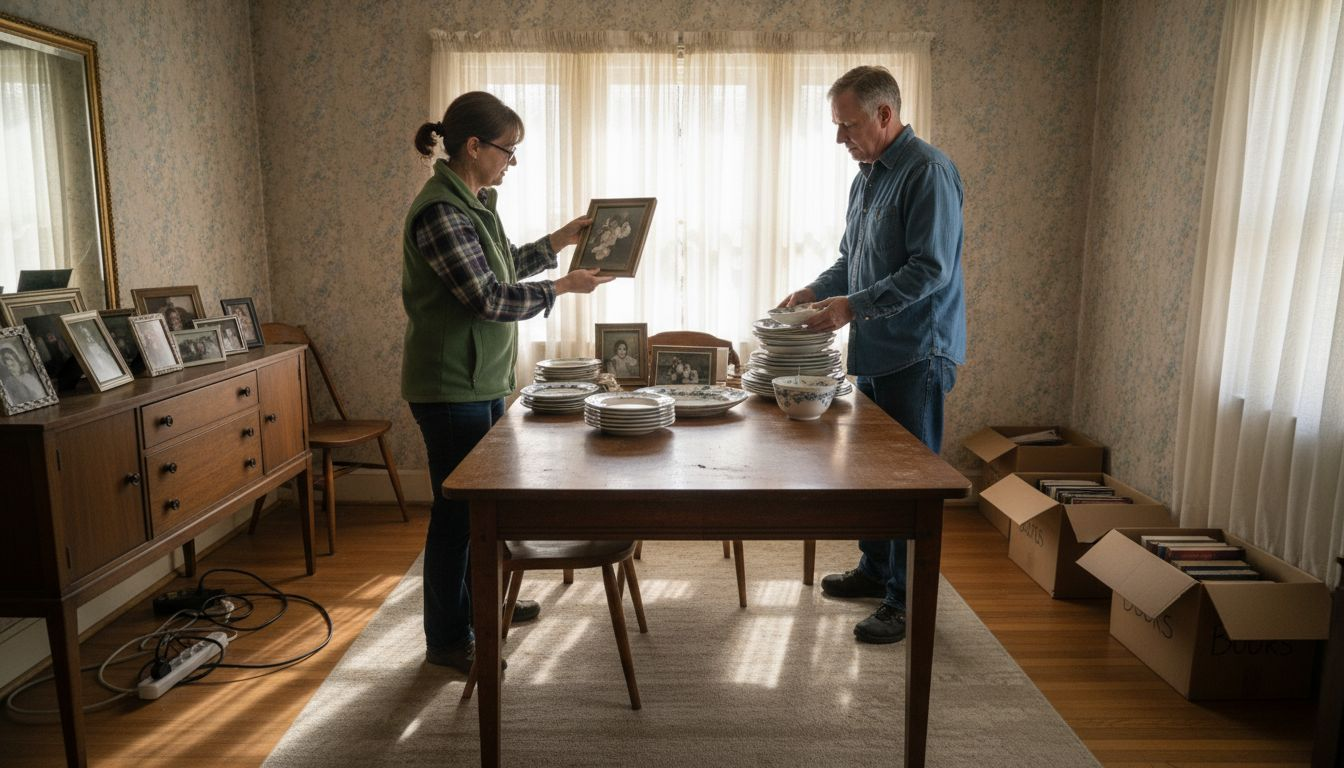
Facing an estate cleanout often means sorting through a lifetime of memories while trying to handle clutter efficiently and responsibly. For Massachusetts homeowners, finding an approach that manages both emotional and environmental concerns is crucial. Choosing eco-friendly junk removal not only streamlines the process but also minimizes waste, ensuring that sentimental items are treated with care and recyclable materials find new purpose.
Table of Contents
Key Takeaways
Point | Details |
Understanding Estate Cleanouts | Estate cleanouts involve meticulous planning and emotional sensitivity, as they manage the belongings of a deceased person, requiring professional support. |
Legal Compliance | Following legal guidelines specific to estate management, such as recycling and hazardous waste disposal laws, is crucial in Massachusetts. |
Emotional Intelligence | Professionals must balance efficiency with compassion during estate cleanouts, as items often hold significant emotional value for families. |
Avoiding Common Mistakes | Families should seek professional guidance to avoid common pitfalls such as poor time management and hastily discarding valuable items. |
Defining Junk Removal in Estate Cleanouts
Estate cleanouts represent complex emotional and logistical processes that require sensitive, professional intervention. These specialized removal services go far beyond simply hauling away unwanted items, instead providing comprehensive support during challenging life transitions.
Junk removal in estate contexts involves strategically managing a deceased person’s belongings, which requires multiple considerations:
Respectful handling of personal items
Legal compliance with estate management protocols
Efficient sorting and disposal strategies
Emotional sensitivity toward family members
Professional junk removal services understand that estate cleanout processes demand careful coordination beyond standard debris removal. Unlike general junk hauling, estate cleanouts require meticulous planning, potential document review, and collaborative decision-making with executors or family representatives.
The process typically encompasses several critical stages:
Initial property assessment
Item categorization
Sorting valuable versus disposable items
Proper disposal or donation of appropriate belongings
Final property cleaning and preparation
Most estate cleanout professionals recognize that their work involves more than physical labor - it’s about providing compassionate support during emotionally challenging periods. Efficient junk removal can significantly reduce family stress by managing complex logistical challenges professionally.
Here is how junk removal and general estate cleanouts differ in their approach and impact:
Aspect | Junk Removal Services | Estate Cleanout Services |
Primary Focus | Debris and waste removal | Comprehensive property management |
Involvement Level | Minimal client interaction | Close collaboration with families |
Legal Considerations | Standard waste disposal laws | Estate protocols and documentation |
Emotional Support | Limited | High emotional sensitivity |
Typical Outcome | Cleaned-out property quickly | Property ready for transition |
Pro tip: Schedule an initial consultation with a professional junk removal service that specializes in estate cleanouts to understand their specific approach and sensitivity protocols.
Key Steps in Professional Estate Cleanouts
Professional estate cleanouts demand a systematic and compassionate approach to managing a deceased person’s belongings. Comprehensive estate cleanout strategies require careful planning, emotional intelligence, and strategic decision-making to navigate this sensitive process effectively.
The estate cleanout process typically involves several critical stages:
Initial property assessment and documentation review
Legal compliance and executor consultation
Systematic sorting of personal belongings
Identifying valuable, sentimental, and disposable items
Managing potential hazardous materials
Coordinating donations, sales, and disposal
Most professional services recommend a structured approach that balances practical logistics with emotional sensitivity. This means creating a detailed inventory, understanding legal requirements, and respecting the family’s emotional connection to the property and its contents.
The primary steps in a professional estate cleanout include:
Conduct a comprehensive initial walkthrough
Obtain necessary legal permissions
Sort items into clear categories
Schedule donations and item removals
Deep clean and prepare the property
Emotional intelligence plays a crucial role throughout the process. Professionals must balance efficiency with empathy, recognizing that each item represents memories and personal history for the family.

Pro tip: Create a detailed inventory and emotional support plan before beginning the estate cleanout to ensure a smooth, respectful process for all involved.
Eco-Friendly Disposal and Recycling Practices
Estate cleanouts present a unique opportunity to implement sustainable waste management strategies that minimize environmental impact while responsibly handling personal belongings. By prioritizing eco-friendly disposal methods, families can transform a potentially wasteful process into a meaningful contribution to environmental conservation.
Sustainable estate cleanout practices involve several key approaches:
Comprehensive item sorting and categorization
Identifying recyclable materials
Connecting with local donation centers
Partnering with specialized recycling programs
Minimizing landfill contributions
Documenting and tracking disposal methods
Most eco-conscious junk removal services focus on diverting maximum materials from landfills. This means carefully evaluating each item’s potential for reuse, recycling, or donation. Furniture, electronics, clothing, and household items can often find new life through specialized recycling channels or community donation programs.
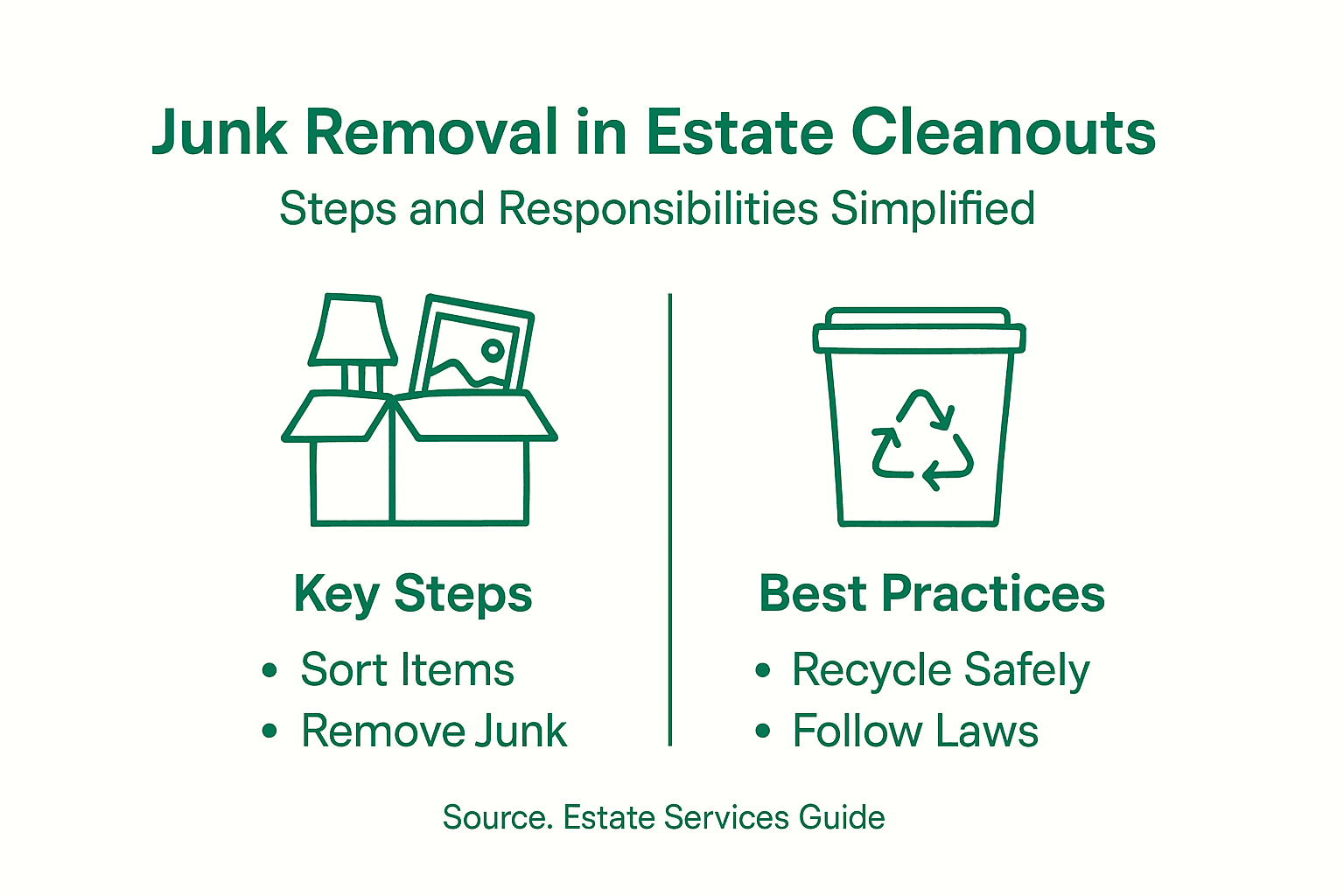
The hierarchy of sustainable disposal typically follows these priorities:
Preserve and retain valuable or sentimental items
Donate usable items to local charities
Recycle materials through specialized programs
Responsibly dispose of non-recyclable items
Ensure proper handling of hazardous materials
Responsible disposal requires more than simply removing items. It demands a thoughtful approach that considers the environmental and social impact of each decision during the estate cleanout process.
Pro tip: Contact local recycling centers and donation organizations in advance to understand their specific guidelines and prepare a comprehensive disposal strategy.
Massachusetts Laws on Estate Junk Disposal
Navigating the complex landscape of estate junk disposal requires a thorough understanding of Massachusetts waste management regulations. The state has established comprehensive legal frameworks that govern how personal property and waste are handled during estate cleanouts, ensuring environmental responsibility and legal compliance.
Key legal considerations for estate junk disposal in Massachusetts include:
Mandatory recycling requirements
Specific disposal protocols for hazardous materials
Restrictions on landfill contributions
Documentation and tracking of waste removal
Compliance with Massachusetts Department of Environmental Protection (MassDEP) guidelines
Proper handling of electronic waste and sensitive materials
Most estate executors and family members must be aware that Massachusetts law imposes strict regulations on waste disposal. This means simply discarding items is not an option - each category of material requires specific handling and potential specialized recycling or disposal methods.
The legal disposal process typically involves several critical steps:
Comprehensive inventory of estate items
Identification of recyclable and non-recyclable materials
Separation of hazardous from non-hazardous waste
Engagement with licensed waste management professionals
Maintaining proper disposal documentation
Legal compliance goes beyond simply following rules - it represents a commitment to environmental stewardship and responsible estate management.
Below is a quick reference to common Massachusetts estate junk disposal requirements:
Requirement | Practical Implication | Responsible Party |
Mandatory Recycling | Separate recyclables before disposal | Estate executor/family |
Hazardous Waste Rules | Use certified disposal professionals | Junk removal company |
E-waste Handling | Follow MassDEP guidelines | Disposal service |
Documentation | Keep records of all waste movement | Executor/junk hauler |
Landfill Restrictions | Divert banned items from landfills | All involved parties |
Pro tip: Consult with a local waste management expert familiar with Massachusetts regulations to ensure full legal compliance during estate cleanouts.
Common Mistakes and How to Avoid Them
Estate cleanouts are complex emotional journeys fraught with potential pitfalls. Common estate cleanout mistakes can significantly complicate an already challenging process, making professional guidance crucial for families navigating these sensitive transitions.
The most frequent errors during estate cleanouts include:
Attempting to manage everything independently
Underestimating the time required for thorough sorting
Failing to organize items systematically
Overlooking potential legal and financial implications
Discarding potentially valuable items hastily
Neglecting emotional support for family members
Most families encounter significant challenges when trying to manage estate cleanouts without professional assistance. Emotional attachment, time constraints, and lack of systematic approach can lead to rushed decisions that may result in financial loss or family conflict.
To successfully navigate potential pitfalls, consider these strategic approaches:
Create a comprehensive inventory before starting
Establish clear communication among family members
Consult with legal and financial professionals
Allow sufficient time for careful sorting
Consider professional junk removal services
Emotional intelligence plays a critical role in successful estate cleanouts. Recognizing the psychological complexity of the process can help families make more thoughtful, compassionate decisions.
Pro tip: Schedule a family meeting to establish clear guidelines and expectations before beginning the estate cleanout process.
Simplify Your Estate Cleanout with Expert Junk Removal
Estate cleanouts bring unique challenges like sorting valuable items, handling belongings with emotional sensitivity, and complying with Massachusetts disposal laws. If you find yourself overwhelmed by the logistics and emotional weight of the process, professional help can reduce stress and speed up your property transition. Junk Dispatch specializes in efficient and eco-friendly estate junk removal services throughout Massachusetts, making it easier to navigate this difficult time.
Why struggle alone when you can rely on:
Licensed and insured crews trained in proper disposal and recycling
Fast same-day junk removal tailored to estate cleanouts
Compassionate service that respects your needs and timeline
Start your worry-free estate cleanout today by visiting Junk Dispatch, where transparent pricing and online booking put convenience first.
Ready to handle your estate cleanout the smart way Take the first step now by contacting Junk Dispatch. Discover how our reliable junk removal solutions can bring peace of mind and restore order swiftly during this sensitive transition.
Frequently Asked Questions
What is the difference between junk removal and estate cleanouts?
Junk removal focuses on debris and waste removal, while estate cleanouts involve comprehensive property management, including careful sorting and legal compliance with emotional sensitivity.
How do professional junk removal services handle emotional aspects during estate cleanouts?
Professional junk removal services provide compassionate support by recognizing the emotional weight of personal belongings and assisting families with sensitive decision-making throughout the process.
What are the key steps involved in an estate cleanout?
The key steps include a property assessment, item categorization, sorting valuable versus disposable items, proper disposal or donation, and cleaning the property for transition.
What legal considerations should be taken into account during estate junk disposal?
Key legal considerations include recycling requirements, specific disposal protocols for hazardous materials, documentation and tracking of waste removal, and compliance with state waste management regulations.
Recommended
Comments