Junk Removal’s Impact on Business Efficiency
- Joe Lusso
- Jan 21
- 7 min read

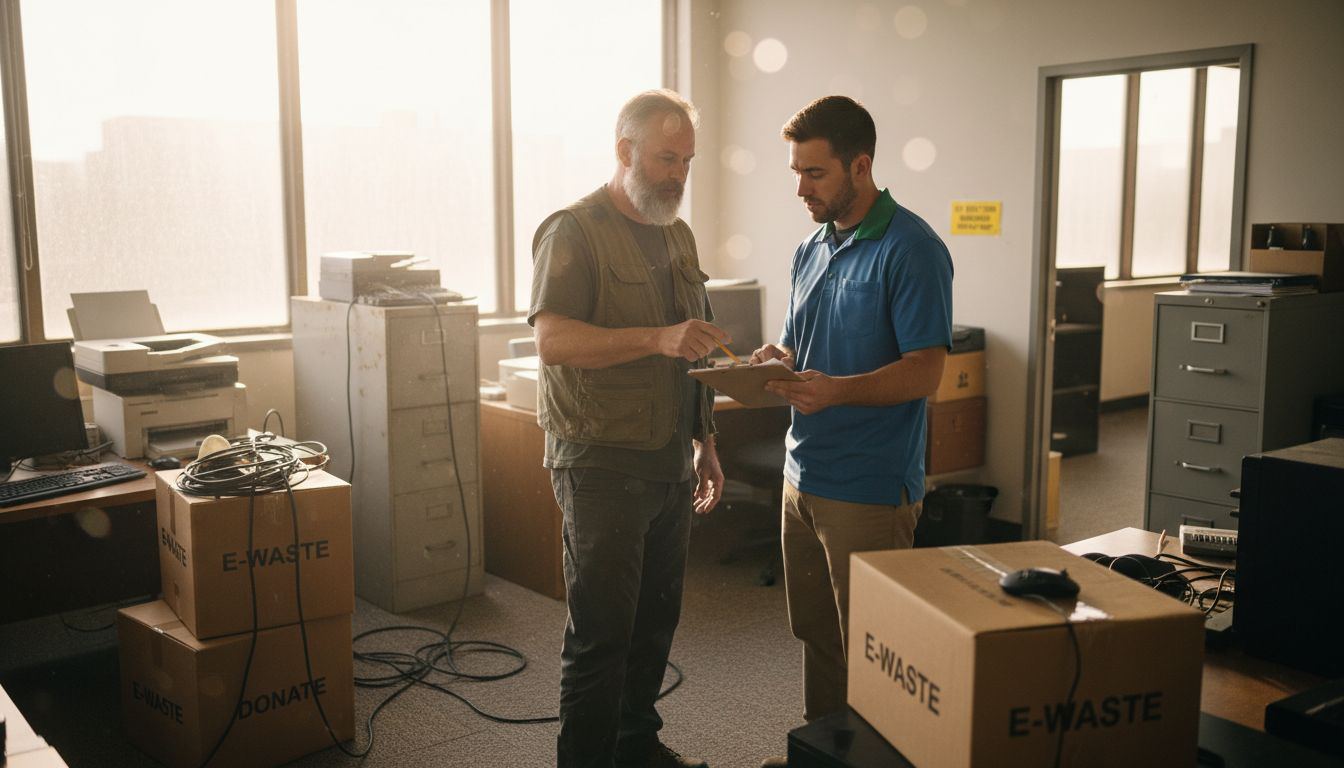
Managing clutter in Massachusetts offices or retail spaces can quickly become an obstacle when outdated equipment and inventory pile up. Property managers and business owners recognize how effective junk removal simplifies workspace organization, fueling improved productivity and smoother daily operations. If you are seeking practical and eco-friendly ways to clear your commercial environment, this guide highlights how specialized solutions support compliance, efficiency, and sustainable disposal every step of the way.
Table of Contents
Key Takeaways
Point | Details |
Commercial Junk Removal | It offers tailored waste management solutions for businesses, focusing on efficiency and compliance with regulations. |
Specialized Disposal Needs | Different types of business junk, such as electronic and hazardous waste, require unique handling processes and equipment. |
Impact on Productivity | Effective junk removal transforms commercial spaces, enhancing productivity and employee morale by reducing clutter. |
Legal and Financial Considerations | Businesses must ensure compliance with waste regulations to avoid penalties and assess costs clearly before hiring services. |
Defining Commercial Junk Removal Services
Commercial junk removal services represent a specialized segment of the waste management industry focused on helping businesses efficiently manage and dispose of unwanted materials. These services go beyond simple trash collection, offering comprehensive solutions for offices, retail spaces, industrial facilities, and construction sites seeking professional debris management.
The core function of commercial junk removal involves systematically collecting, sorting, and disposing of various types of commercial waste. This can include outdated office furniture, electronic equipment, construction debris, warehouse inventory overstock, and other materials that businesses need to remove quickly and responsibly. Unlike residential services, commercial junk removal requires specialized equipment, larger capacity vehicles, and understanding of complex waste management regulations.
Commercial junk removal providers typically offer tailored solutions that align with specific market principles of efficiency and cost-effectiveness. These services often include:
Scheduled bulk item pickups
Construction site cleanup
Office relocation waste management
Electronic waste disposal
Secure document destruction services
Environmentally responsible recycling options
Pro tip: Schedule a comprehensive waste audit before engaging a commercial junk removal service to understand your specific disposal needs and potential cost-saving opportunities.
Varieties of Business Junk and Removal Processes
Business junk represents a complex ecosystem of materials generated across various commercial settings, encompassing diverse waste categories that require specialized disposal strategies. These materials range from standard office waste like outdated furniture and electronic equipment to more challenging debris such as industrial byproducts, construction remnants, and potentially hazardous materials that demand precise handling protocols.
The removal processes for commercial waste are intricate and highly regulated, involving multiple stages of assessment, segregation, and responsible disposal. Different types of business junk require unique approaches: electronic waste might need secure data destruction and specialized recycling, while construction debris demands mechanical excavation and careful sorting. Regulatory frameworks like FEMA’s alternative procedures provide guidelines that emphasize efficiency, compliance, and environmental considerations during waste management.
Typical business junk categories and their corresponding removal processes include:
Office Waste: Paper documents, furniture, computers
Industrial Debris: Manufacturing byproducts, machine parts
Construction Waste: Concrete, wood, metal scraps
Electronic Waste: Computers, servers, networking equipment
Hazardous Materials: Chemical containers, contaminated equipment
Each waste type requires specific handling techniques, from secure destruction to environmentally responsible recycling, ensuring businesses maintain operational efficiency while minimizing environmental impact.
Here’s a concise comparison of common commercial junk types and their removal challenges:
Junk Category | Key Challenge | Specialized Requirement |
Office Waste | Data security for electronics | Certified destruction processes |
Industrial Debris | Heavy or bulky materials | Mechanical handling equipment |
Construction Waste | Mixed recyclable content | On-site sorting capabilities |
Electronic Waste | Toxic metals and data | Responsible recycling, data wiping |
Hazardous Material | Regulatory compliance | Licensed hazardous material team |
Pro tip: Develop a comprehensive waste management inventory that categorizes different types of business junk to streamline future removal processes and identify potential recycling opportunities.
Optimizing Office and Industrial Spaces with Junk Removal
Effective junk removal plays a critical role in optimizing workplace productivity by transforming cluttered commercial environments into streamlined, efficient workspaces. When businesses systematically remove unnecessary materials, they create an organizational ecosystem that supports smoother workflows, reduces operational friction, and improves overall employee performance and morale.

The strategic approach to space optimization involves more than simple trash removal. By implementing sustainable industrial ecology practices, businesses can view their workspace as an interconnected system where waste elimination becomes a deliberate productivity enhancement strategy. This approach involves carefully assessing and removing obsolete equipment, excess furniture, outdated technological infrastructure, and accumulated debris that impede operational efficiency.
Key strategies for optimizing office and industrial spaces through junk removal include:
Conducting regular workspace audits
Implementing systematic decluttering protocols
Identifying and removing productivity barriers
Prioritizing ergonomic workspace design
Establishing clear disposal and recycling guidelines
Successful space optimization requires a comprehensive understanding of how physical environment impacts organizational performance, transforming junk removal from a mundane maintenance task into a strategic business improvement initiative.
The following table summarizes how strategic junk removal benefits business performance:
Benefit Area | Impact on Business | Resulting Advantage |
Productivity | Removes physical barriers | Smoother workflows |
Employee Morale | Cleaner, more organized space | Higher satisfaction, reduced stress |
Space Utilization | Frees up valuable square footage | Enables business growth |
Safety/Compliance | Reduces accident risks | Fewer workplace incidents |
Sustainability | Drives responsible recycling | Enhanced corporate reputation |
Pro tip: Create a quarterly workspace assessment schedule to proactively identify and remove unnecessary items before they accumulate and become significant operational impediments.
Legal Compliance and Eco-Friendly Disposal Practices
Business junk removal extends far beyond simple waste management, requiring careful navigation of complex legal and environmental regulations. Effective legal compliance frameworks are critical in ensuring that organizations responsibly handle waste while minimizing environmental impact and avoiding potential legal penalties.
Navigating the intricate landscape of waste disposal demands a comprehensive understanding of local, state, and federal regulations. Different types of commercial waste require specific handling protocols, from electronic equipment containing hazardous materials to construction debris with potential environmental risks. Businesses must develop systematic approaches that prioritize proper sorting, documentation, and disposal methods that align with current environmental protection standards.
Key considerations for legal and eco-friendly junk removal include:
Identifying and segregating hazardous materials
Maintaining accurate waste disposal documentation
Working with certified waste management providers
Understanding local and federal waste disposal regulations
Implementing transparent tracking of waste streams
Prioritizing recycling and sustainable disposal methods
By adopting a proactive approach to waste management, businesses can transform potential environmental liabilities into opportunities for corporate responsibility and sustainable practice.
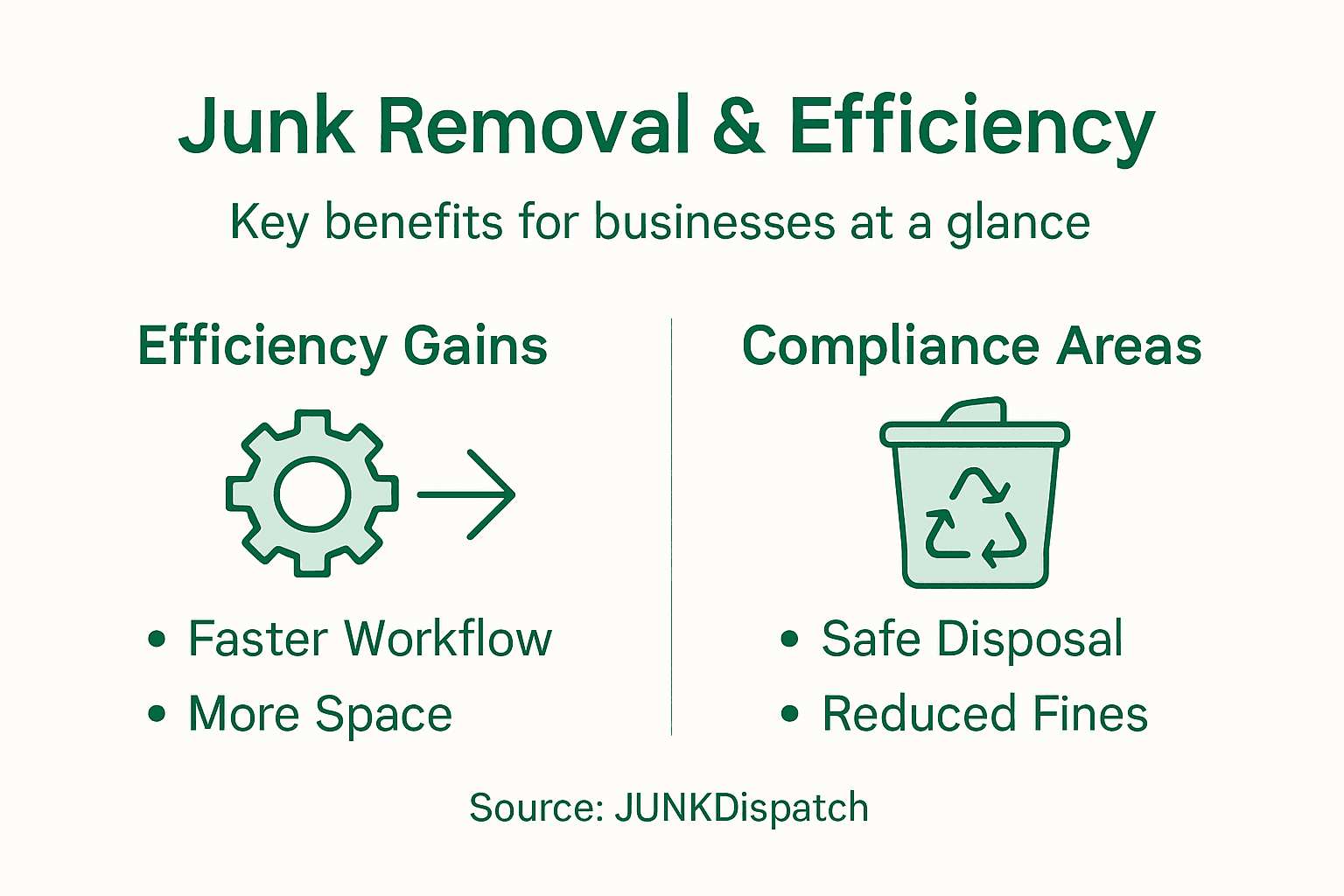
Pro tip: Develop a comprehensive waste management policy that designates a specific team member responsible for tracking and ensuring compliance with current environmental disposal regulations.
Cost, Liability, and Common Mistakes in Junk Removal
Junk removal services involve complex financial considerations and potential legal risks that businesses must carefully navigate. Junk removal costs can vary dramatically, typically ranging from $100 to $400 per load, with full truck removals potentially reaching up to $800, making precise volume estimation and service scoping critically important for budget management.
Businesses frequently encounter significant liability risks when mishandling waste removal. Hidden fees and unclear contractual terms can lead to unexpected financial burdens and potential regulatory challenges. Common mistakes include hiring unlicensed providers, improperly sorting recyclable materials, and failing to understand comprehensive waste disposal regulations that could result in substantial penalties.
Key considerations for mitigating cost and liability risks include:
Obtaining multiple quotes from licensed providers
Requesting detailed, transparent pricing breakdowns
Verifying waste management certifications
Understanding local disposal regulations
Documenting all waste removal processes
Implementing strict internal waste management protocols
Careful planning and proactive risk management can transform junk removal from a potential financial liability into a strategic operational process that supports overall business efficiency and environmental responsibility.
Pro tip: Develop a comprehensive waste management checklist that includes cost verification, provider credentials, and regulatory compliance requirements before initiating any junk removal project.
Unlock Business Efficiency with Expert Junk Removal Solutions
The challenge of managing commercial junk can weigh down your business productivity and clutter your valuable workspace. As highlighted in the article, navigating complex waste streams like office waste, construction debris, and electronic waste demands specialized, eco-friendly practices along with strict compliance to legal regulations. The emotional toll of workplace disorganization and liability risks affects both employee morale and operational flow. At JUNKDispatch, we understand these pain points deeply and offer tailored, reliable commercial junk removal services across Massachusetts designed to streamline your business environment while ensuring responsible disposal.
Experience quick, insured, and environmentally conscious junk removal that removes physical barriers to productivity. With services that include same-day pickup, demolition, and efficient disposal of all types of commercial debris, JUNKDispatch transforms cluttered spaces into optimized work areas ready for growth and success. Discover the ease of hassle-free scheduling, transparent pricing, and certified disposal methods that put your business’s compliance and sustainability first.
Convert your junk challenges into business advantages today. Explore our professional offerings at JUNKDispatch and see why local businesses trust us for comprehensive commercial junk removal. Take control of your workspace now and boost operational efficiency by booking your service online or requesting a free estimate.
Looking to enhance your office or industrial space with expert junk removal? Visit JUNKDispatch and reclaim your productivity.
Don’t let junk slow your business down. Act quickly to secure your spot with JUNKDispatch and experience reliable, eco-friendly junk removal that supports your business goals and regulatory compliance.
Frequently Asked Questions
How can junk removal improve business efficiency?
Effective junk removal declutters workspaces, allowing for smoother workflows and improved productivity. Removing unnecessary materials can also enhance employee morale and create a more organized environment.
What types of business junk require specialized disposal methods?
Business junk types that require specialized disposal include electronic waste, hazardous materials, construction debris, and industrial byproducts. Each type has specific handling and disposal protocols to ensure safety and compliance.
Why is compliance with waste disposal regulations important for businesses?
Compliance with waste disposal regulations is crucial to avoid legal penalties and environmental damage. Properly managing waste ensures that businesses operate responsibly and maintain a positive corporate reputation while minimizing potential liabilities.
What should businesses consider when hiring a junk removal service?
When hiring a junk removal service, businesses should obtain multiple quotes, verify the provider’s licenses and certifications, request transparent pricing, and ensure the service complies with local waste disposal regulations.
Recommended
Comments