Eco-Friendly Yard Waste Disposal Guide for Massachusetts Homes
- Joe Lusso
- 3 days ago
- 10 min read

TL;DR:
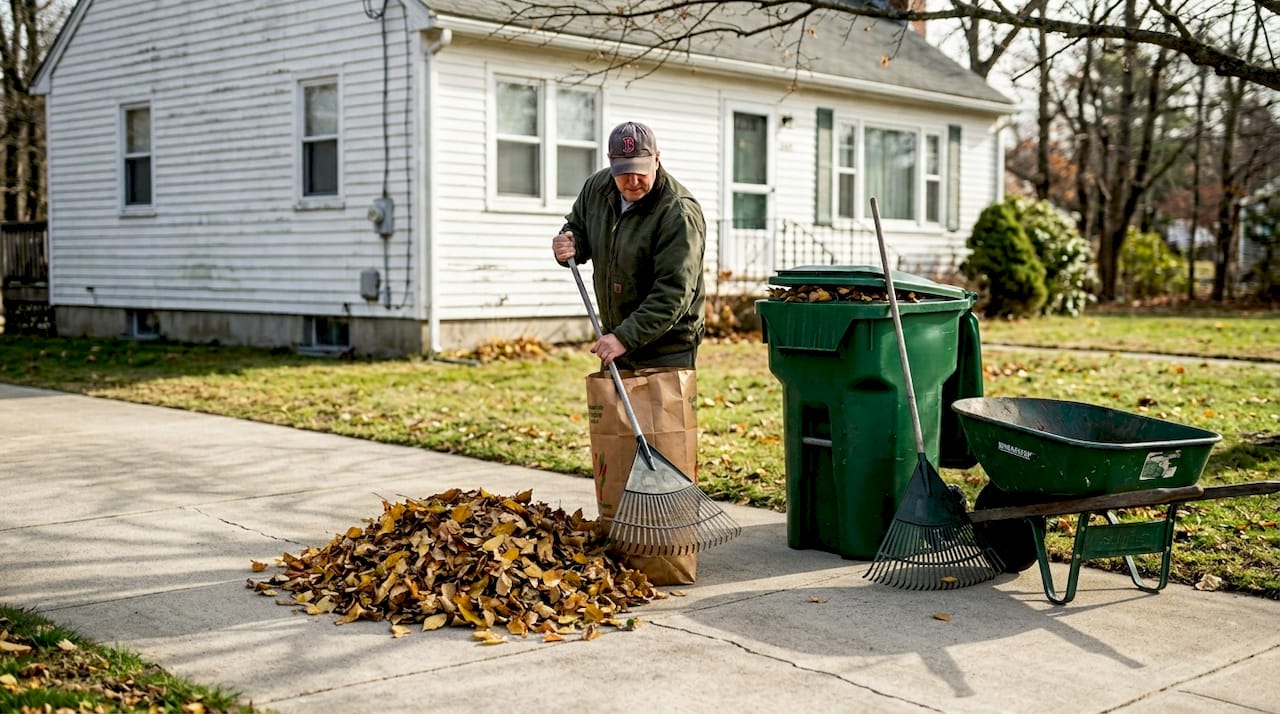
Massachusetts homeowners must avoid open burning and instead use eco-friendly disposal methods like grasscycling, composting, or municipal drop-off programs. Proper preparation, tools, and adherence to local rules ensure compliance and environmental benefits such as nutrient recycling and reduced landfill waste. Contamination and improper disposal can lead to fines and program disruptions, making responsible yard waste management a shared community responsibility.
Every Massachusetts homeowner knows the feeling: a mountain of leaves, grass clippings, and pruned branches piling up after a weekend of yard work, with no clear plan for where it all goes. Getting rid of yard waste the wrong way is not just an eyesore. It can mean fines from your local health board, pest infestations, and real harm to community composting programs that your neighbors depend on. This guide walks you through every legal, eco-friendly disposal option available in 2026, so you can keep your property clean and stay on the right side of Massachusetts law.
Table of Contents
Key Takeaways
Point | Details |
Burning is usually illegal | Yard waste burning, especially of leaves and grass, is unlawful for most Massachusetts homeowners. |
Eco-friendly methods are legal and fast | Techniques like grasscycling or composting offer legal, effective disposal and can turn debris into garden soil additives within weeks. |
Preparation prevents fines | Proper bagging, separation, and following local guidelines keep you in compliance and protect your community. |
Verification is key | Check local results and outputs to ensure you’re benefiting your yard and meeting all legal requirements. |
Understanding Massachusetts yard waste laws and eco-friendly options
Before you bag a single leaf or wheel a bin to the curb, you need to understand what Massachusetts actually allows. The rules here are stricter than many homeowners realize, and the penalties for getting it wrong are real.
First, the hard line: burning leaves, grass clippings, or general yard debris is unlawful for most Massachusetts homeowners. The state’s waste disposal law makes it clear that eco-friendly options such as grasscycling (recycling clippings in place), composting yard debris on-site or through municipal programs, and using mulch or compost produced by yard-waste processing are the approved paths forward. There are very narrow exceptions for agricultural burning in rural areas, but these do not apply to standard residential properties.
So what does “eco-friendly” actually look like in practice for a Massachusetts homeowner in 2026? Here is a quick breakdown:
Eco-friendly disposal options:
Grasscycling: Leave clippings on the lawn after mowing. They decompose quickly and return nitrogen to the soil. Pros: zero cost, zero effort, great for lawn health. Cons: only works for clippings, not leaves or brush.
On-site composting: Build or buy a compost bin and process yard waste at home. Pros: creates usable compost, reduces disposal fees. Cons: requires management, space, and time.
Municipal compost drop-off: Most Massachusetts towns offer seasonal drop-off sites or curbside collection for bagged yard waste. Pros: handles large volumes, legally compliant. Cons: limited schedules and bag requirements.
Mulching: Use a mulching mower or chipper to shred leaves and branches into mulch for garden beds. Pros: excellent for soil health, reuses material on-site. Cons: requires equipment.
Method | Legal in MA? | Cost | Eco-Friendly Rating | Best For |
Open burning | No (most cases) | Low | Very poor | Not recommended |
Grasscycling | Yes | Free | Excellent | Grass clippings |
On-site composting | Yes | Low | Excellent | Mixed yard debris |
Municipal drop-off | Yes | Low or free | Very good | Large volumes |
Mulching in place | Yes | Low | Excellent | Leaves, small branches |
Private hauler removal | Yes | Moderate | Good | Large projects |
Composting is one of the most impactful choices. A well-managed pile can turn yard waste into usable soil amendment within weeks, which means less material going to landfills and more nutrients returning to your garden. For a full overview of your options, check out this 2026 eco-friendly yard waste guide built specifically for Massachusetts conditions.
Tools, materials, and prep: What you need to get started
Knowing the rules is step one. Getting your supplies and property organized before you start is just as important. The right tools save you time and keep you from accidentally creating a compliance problem.
Massachusetts open burning rules restrict burning leaves and grass explicitly, which means you need alternative equipment ready. Here is what a well-prepared Massachusetts homeowner should have on hand:
Tool/Supply | Purpose | Notes |
Leaf rake or blower | Gathering debris | Standard equipment |
Biodegradable paper bags | Curbside collection | Town-issued or approved brands only |
Compost bin or pile area | On-site composting | Min. 3x3 feet for effective decomposition |
Mulching mower | Grasscycling and leaf mulching | Converts clippings to fine material |
Chipper/shredder | Branch and brush processing | Rental available at most hardware stores |
Work gloves and tarps | Safety and transport | Protect hands, make hauling easier |
Key preparation steps before you collect or compost:
Check your town’s specific yard waste collection schedule and any bag limits. Many municipalities only collect 5 to 10 bags per week.
Confirm which materials your town accepts. Some programs do not take large branches or invasive plant species.
Keep pet waste, treated wood, and soil completely separate from yard debris. These items contaminate composting programs and can result in your entire load being rejected.
Label bags correctly if your town requires it. Missing a label can mean your bags get left behind.
Inspect debris for weeds that have gone to seed. These can spread in a compost pile if it does not reach the right temperature.
Pro Tip: Use town-issued biodegradable paper bags whenever possible. Plastic bags jam composting equipment and will get your load flagged or rejected. Most Massachusetts hardware stores carry the approved brands, and some towns distribute them for free at the DPW.
Contaminated loads are one of the top reasons municipal programs reject yard waste. Separating pet waste and trash from your yard debris is not optional. For more detail on the right process, these eco-friendly removal steps walk you through exactly what to do at each stage.
Step-by-step: Eco-friendly yard waste disposal methods for 2026
With your tools and prep sorted, choose the method that matches your location, schedule, and sustainability goals. Here are three proven approaches, each with clear steps and realistic timeframes.
Method 1: Grasscycling
Set your mower to cut no more than one-third of the grass blade at a time.
Leave clippings on the lawn. Do not rake them up.
Mow more frequently during fast-growth periods so clippings are small and break down within days.
This is the simplest method and it works year-round for clippings. No bags, no bins, no pickup required.
Method 2: Home composting
Choose a location with partial shade and good drainage, at least 10 feet from your home’s foundation.
Layer “browns” (dry leaves, cardboard) with “greens” (fresh clippings, vegetable scraps) in roughly equal amounts.
Keep the pile moist but not saturated. It should feel like a wrung-out sponge.
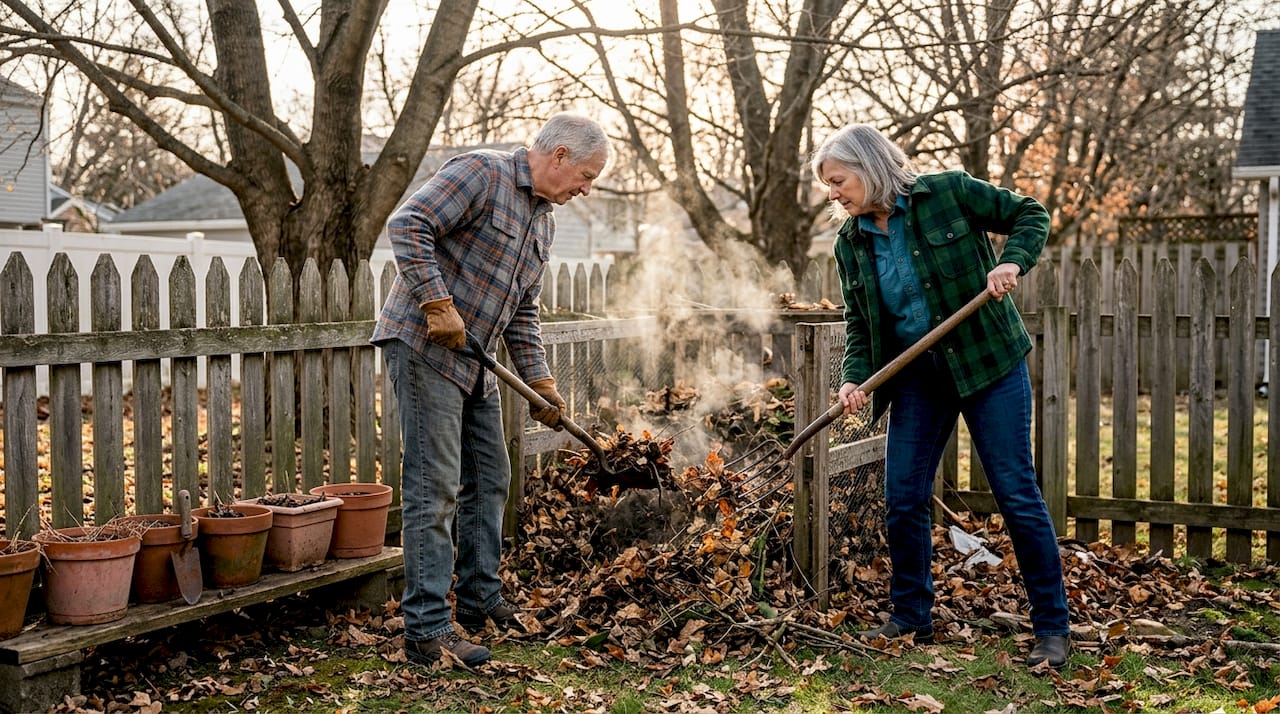
Turn the pile every 1 to 2 weeks with a pitchfork to add oxygen and speed breakdown.
Chopped or shredded material breaks down significantly faster. A well-maintained pile of mixed, shredded yard debris can finish in as little as 2 to 4 weeks. Whole leaves alone can take up to a year.
Pro Tip: Run your mower over a pile of leaves before adding them to the bin. That simple step reduces volume by up to 75% and speeds up composting dramatically.
Warning: An improperly managed compost pile can attract rats, skunks, and other pests, and may violate local health ordinances. Never add meat, dairy, oily foods, or pet waste to a yard waste compost pile. If your pile smells bad, it needs more air and less moisture.
Method 3: Municipal drop-off or curbside pickup
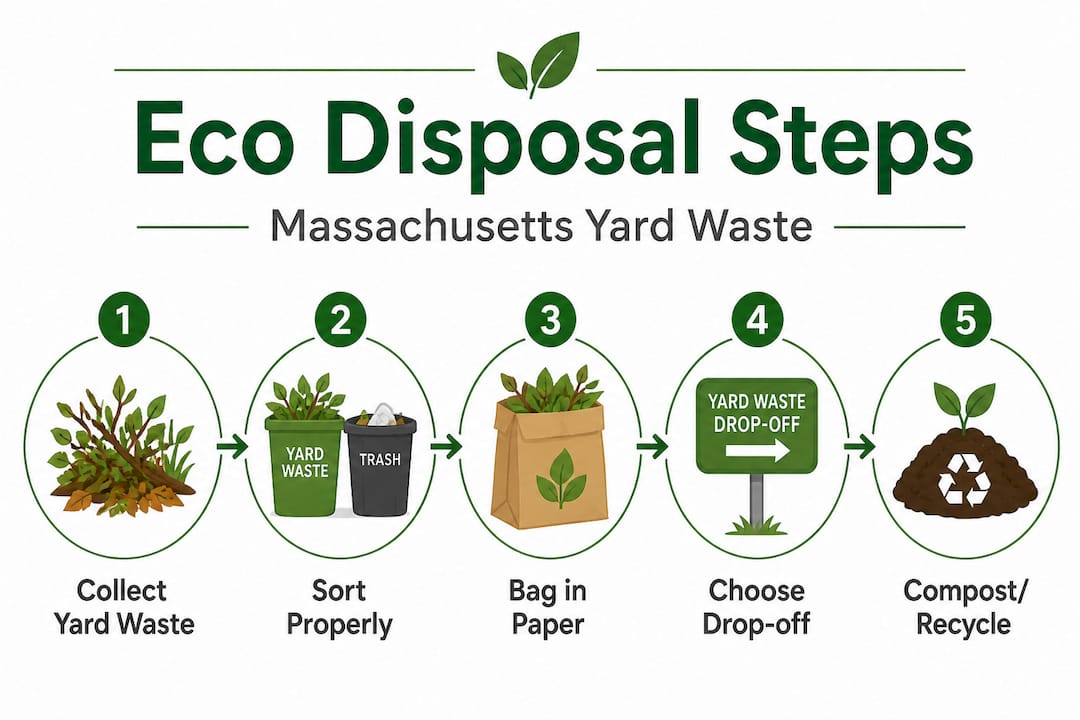
Bag yard debris in biodegradable paper bags or town-approved containers.
Check your town’s DPW website for the current pickup schedule. Most towns in Massachusetts run spring and fall programs.
Place bags at the curb by the designated time, usually before 7 a.m. on collection day.
For large branches, tie them into bundles no longer than 4 feet and no wider than 18 inches.
For further guidance on choosing the right approach for your property, this eco-friendly removal guide covers local nuances across Massachusetts towns.
Avoiding common mistakes and staying compliant
Even with good intentions, it is easy to slip up on legal and sanitary details. Here are the mistakes we see Massachusetts homeowners and property managers make most often.
Common yard waste disposal mistakes:
Bagging yard waste in plastic bags instead of paper bags or town-approved bins.
Mixing food scraps, pet waste, or non-organic material into yard debris bags.
Placing bags out too early or too late for scheduled collection.
Assuming all yard waste is the same. Some towns do not accept invasive species or diseased plant material in curbside programs.
Putting brush or branches loose at the curb without bundling them to required size limits.
Ignoring compost pile maintenance until it becomes a smelly, pest-attracting mess.
Improper composting is one of the most common violations that triggers local health board action. Massachusetts health and sanitary standards require property occupants to separate yard and food waste from regular refuse, and failure to do so can result in enforcement actions, not just a warning.
Reminder: Massachusetts local health boards have the authority to issue fines for improper yard waste disposal, including contaminated bags and pest-attracting compost piles on residential properties. When in doubt, call your town’s DPW before you start.
Finding your local compliance requirements is straightforward. Visit your town’s official website or the MassDEP waste management portal to find current rules, accepted materials lists, and pickup schedules. These removal tips for Massachusetts homeowners also summarize the most important local rules in one place.
What to expect: Results, program outputs, and verification
After you have followed these steps, how do you know if your work is truly eco-friendly and compliant?
Each disposal method produces a different result on a different timeline. Here is what to expect:
Method | Time to Results | Output | Environmental Payoff |
Grasscycling | Immediate | Lawn nutrients | High, ongoing |
Home composting | 2 to 12 weeks | Rich compost/soil amendment | Very high |
Municipal drop-off | 1 to 2 days (pickup) | Processed mulch or compost | High, community-wide |
Mulching in place | 1 to 4 weeks | Garden mulch layer | High |
Finished compost has a specific look and smell that tells you it is ready. It should be dark brown, crumbly, and smell earthy, similar to fresh forest soil. If it still has recognizable plant parts or smells like ammonia or sulfur, it needs more time and turning.
Verification for municipal programs is simpler. If your bags were picked up without issue and your town sends no notice of contamination, you are compliant. Many Massachusetts towns now use yard waste processing to convert collected debris into mulch and compost that is then distributed back to residents, often for free, closing a valuable local loop.
You can also verify compliance by reviewing your town’s DPW accepted materials list at the start of each season. Rules sometimes change year to year, especially around invasive species or diseased plants. These yard waste removal benefits for Massachusetts homeowners explain the broader payoff of getting this right.
The uncomfortable truth most guides miss about yard waste disposal
Most guides on this topic stop at “follow the rules.” That is not enough.
Here is what we have seen working with Massachusetts homeowners and property managers across dozens of communities: the biggest problem is not that people do not know the rules. It is that they treat compliance as a personal checkbox rather than a shared responsibility.
When a homeowner tosses a plastic bag of leaves into the curbside yard waste bin, they do not just get their own load rejected. They contaminate the entire truckload, which means organic material that could have become community mulch ends up in a landfill instead. That one shortcut multiplies across a neighborhood and drives up program costs for everyone. Some towns have had to suspend yard waste programs entirely because of contamination rates.
Local enforcement is genuinely getting tougher. More Massachusetts municipalities are adding contamination monitoring, and repeat violations are being tracked. The era of “close enough” is ending.
But here is the flip side that most people miss: when you do this right, the payoff is bigger than a clean yard. Composting and grasscycling return nutrients to local soil, reduce the volume of material trucked to processing facilities, and lower greenhouse gas emissions from decomposing landfill waste. These are measurable, real environmental benefits that go beyond your property line.
The most sustainable approach is to think about your disposal choices the way you think about driving: your individual decision happens in a shared space, and it affects everyone around you. Choosing the right method, using the right bags, and maintaining your compost pile correctly are small actions with outsized community impact. Take a look at these eco-friendly community solutions to see how Massachusetts neighborhoods are building better systems together.
The real measure of compliance is not whether you avoided a fine. It is whether your choices made the local program work better for everyone on your street.
Need reliable, compliant yard waste removal?
Managing yard waste on your own is absolutely doable for routine cleanups, but some projects are just too big or too complicated to handle solo.
Many Massachusetts towns cap curbside pickup at just a few bags per week and require specific certified bags that can be hard to find. If you are tackling a major fall cleanout, post-storm debris, or a full landscape renovation, the logistics add up fast. That is where professional help makes a real difference. Junk Dispatch handles all the legal requirements, separation rules, and eco-friendly disposal logistics for you, so you do not have to second-guess a single bag or bundle. Whether you are in Reading or anywhere across Essex County, our insured crews show up on schedule and take care of everything from curbside to final processing. Get a free estimate and book online today.
Frequently asked questions
Which types of yard waste can I legally burn in Massachusetts in 2026?
Burning leaves and grass is not allowed for most Massachusetts homeowners. Only narrow, permitted exceptions exist, and they do not apply to standard residential properties.
How long does it take for home composting to break down yard waste?
Chopped yard debris in well-maintained piles can finish composting in 2 to 4 weeks, while whole leaves composted alone may take up to a full year.
Are there penalties for mixing yard waste with household trash?
Yes. Improper separation of yard waste can lead to fines and local health board enforcement actions for Massachusetts property owners, especially for repeat violations.
What should I do if I have more yard waste than my municipality will collect?
Contact a professional yard waste removal service like Junk Dispatch to ensure your excess material is disposed of legally and in an eco-friendly way, without overfilling your bin or risking a fine.
Can I use compost from my own yard waste directly on my garden?
Yes, once your compost is fully broken down, dark and crumbly with an earthy smell and no recognizable plant material remaining, it is safe and beneficial to apply directly to garden beds and lawn areas.
Recommended
Comments