Yard waste removal in Massachusetts: Eco-friendly guide
- Joe Lusso
- Mar 27
- 8 min read

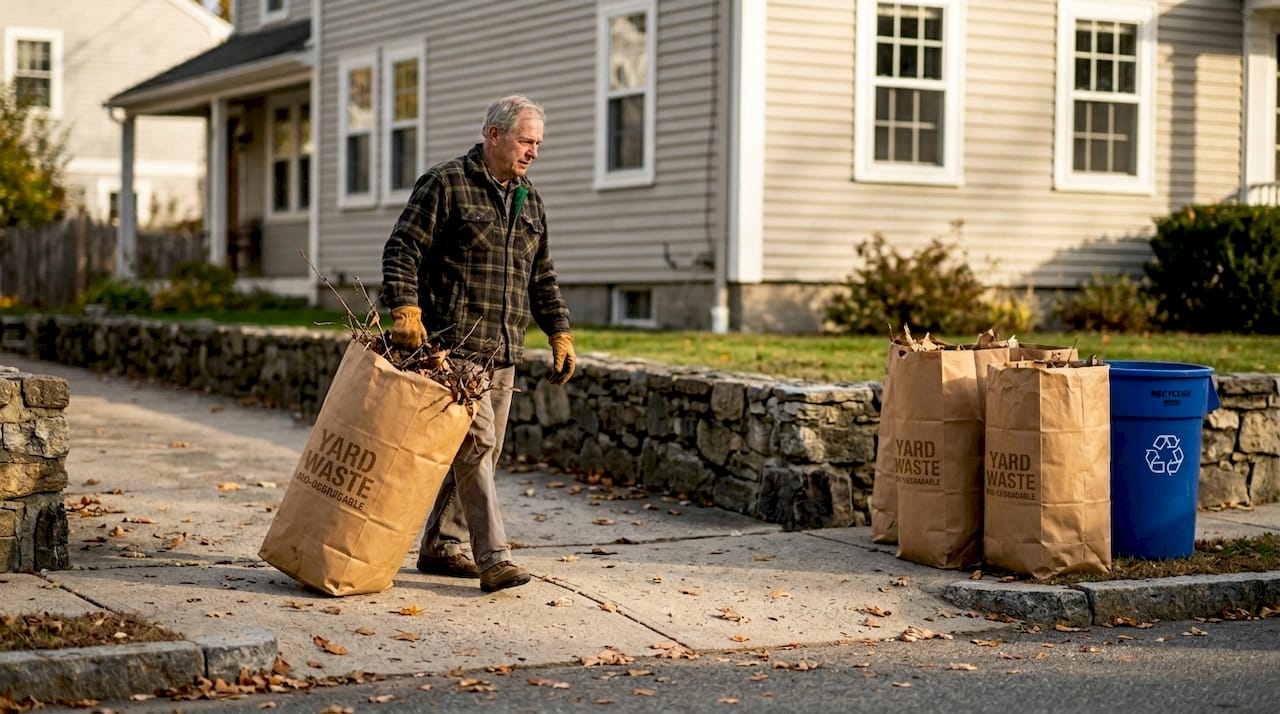
Massachusetts has a rule most homeowners don’t know about until it’s too late. Yard waste has been banned from landfills since 1991, meaning tossing leaves, branches, or grass clippings in your trash isn’t just wasteful — it’s against state regulations. Whether you manage a single-family home in the suburbs or oversee a multi-unit property, getting yard waste disposal right protects you from fines and supports the state’s sustainability goals. This guide breaks down exactly what qualifies as yard waste, what the law requires, how curbside collection works, and what eco-friendly alternatives are available to you right now.
Table of Contents
Key Takeaways
Point | Details |
Legal yard waste ban | Massachusetts prohibits yard waste from landfills, requiring eco-friendly disposal. |
Accepted yard waste types | Only leaves, grass, branches, and garden trimmings can be collected curbside. |
Preparation matters | Correct sorting and packaging is essential for municipal pickup and compliance. |
Eco-friendly alternatives | Composting, grasscycling, and private hauling reduce landfill impact and save time. |
Professional help available | Junk removal services make yard waste disposal easy for homeowners and property managers. |
What counts as yard waste in Massachusetts?
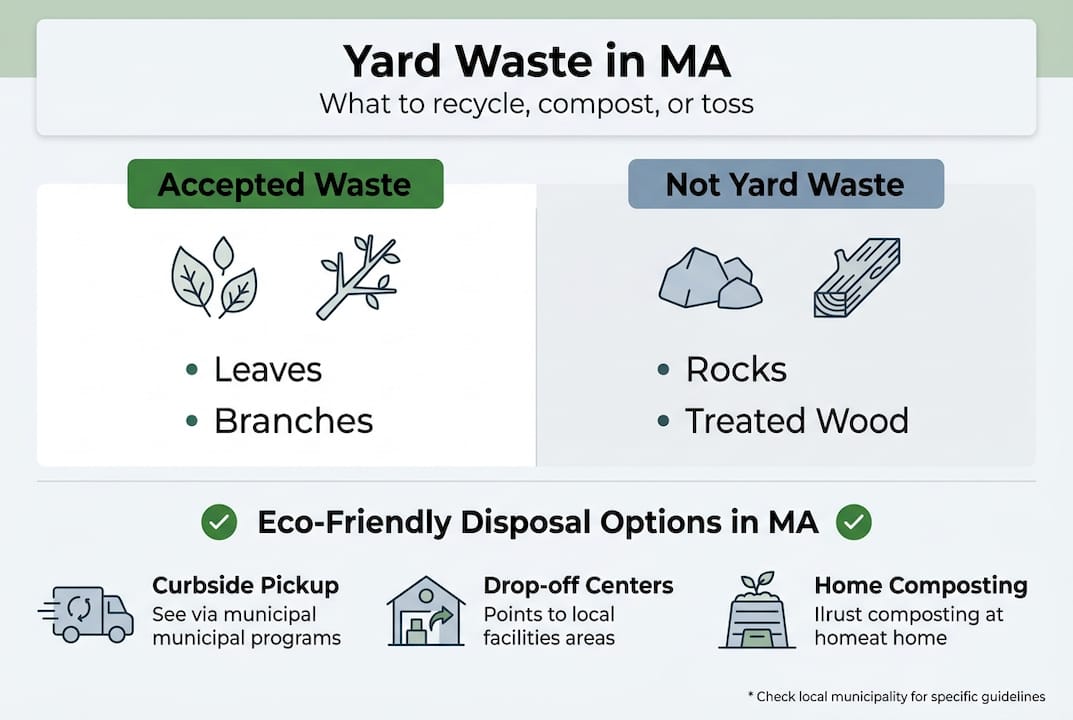
Before you can dispose of anything properly, you need to know what you’re dealing with. Yard waste includes organic debris like leaves, grass clippings, branches, twigs, weeds, tree stumps, and garden trimmings generated from routine lawn and garden maintenance. These materials are meant to go to composting or recycling facilities, not landfills. Understanding this distinction saves you from costly mistakes.
Not everything that comes out of your yard qualifies as yard waste. Dirt, rocks, treated wood, and construction debris are handled through completely different disposal channels. Mixing them with organic yard waste can get your entire load rejected at a composting facility.
Here’s a quick comparison to keep things clear:
Material | Category | Disposal method |
Leaves, grass clippings | Yard waste | Compost or curbside collection |
Branches and twigs | Yard waste | Bundle for curbside or chip |
Weeds, garden trimmings | Yard waste | Compost (if not invasive) |
Dirt and rocks | Non-yard waste | Separate disposal required |
Treated wood, lumber | Construction debris | Separate disposal required |
Household trash | Municipal solid waste | Regular trash pickup |
Knowing the yard waste removal benefits goes beyond just staying legal. Proper sorting reduces landfill pressure, lowers greenhouse gas emissions, and turns organic material into useful compost for local farms and gardens. The sustainability benefits of diverting organic waste are real and measurable for your community.
Here’s what typically qualifies as yard waste in Massachusetts:
Leaves (bagged in paper or placed in labeled barrels)
Grass clippings (paper bags only, no plastic)
Small branches and brush (bundled and tied)
Weeds (non-invasive species only)
Garden trimmings and plant stalks
Tree stumps (check local size limits)
For a broader look at green waste disposal practices in Massachusetts, local landscaping resources offer helpful guidance on what facilities accept and how to prepare materials.
Understanding Massachusetts yard waste regulations
Now that you know what yard waste is, here’s what the law says about handling it. Massachusetts regulation 310 CMR 19.017, enforced by the Massachusetts Department of Environmental Protection (MassDEP), bans yard waste from landfills and has since 1991. That’s over three decades of enforced diversion to composting and recycling programs.
Violating this regulation isn’t a minor issue. Property owners and haulers can face fines for improper disposal, and municipalities that fail to comply risk losing state funding for waste programs. The law exists because organic waste in landfills produces methane, a potent greenhouse gas.
Key stat: Organic materials make up roughly 30% of what we throw away, and composting them instead of landfilling significantly reduces methane emissions at the state level.
The composting organics regulations from MassDEP outline exactly which facilities are licensed to accept yard waste and what standards they must meet. Homeowners don’t need to memorize all of it, but knowing your hauler or drop-off site is licensed matters.
Here’s a summary of the regulatory landscape:
Regulation | Requirement | Consequence of violation |
310 CMR 19.017 | No yard waste in landfills | Fines for property owners and haulers |
MassDEP composting rules | Must divert to licensed facilities | Loss of municipal program funding |
Local bylaws | Town-specific schedules and limits | Rejected pickups, additional fees |
Seasonal schedules matter too. Most Massachusetts towns run curbside yard waste collection from April through December. There is typically no winter collection, so planning ahead for late fall cleanups is important. Check your yard waste removal tips to stay ahead of seasonal deadlines.
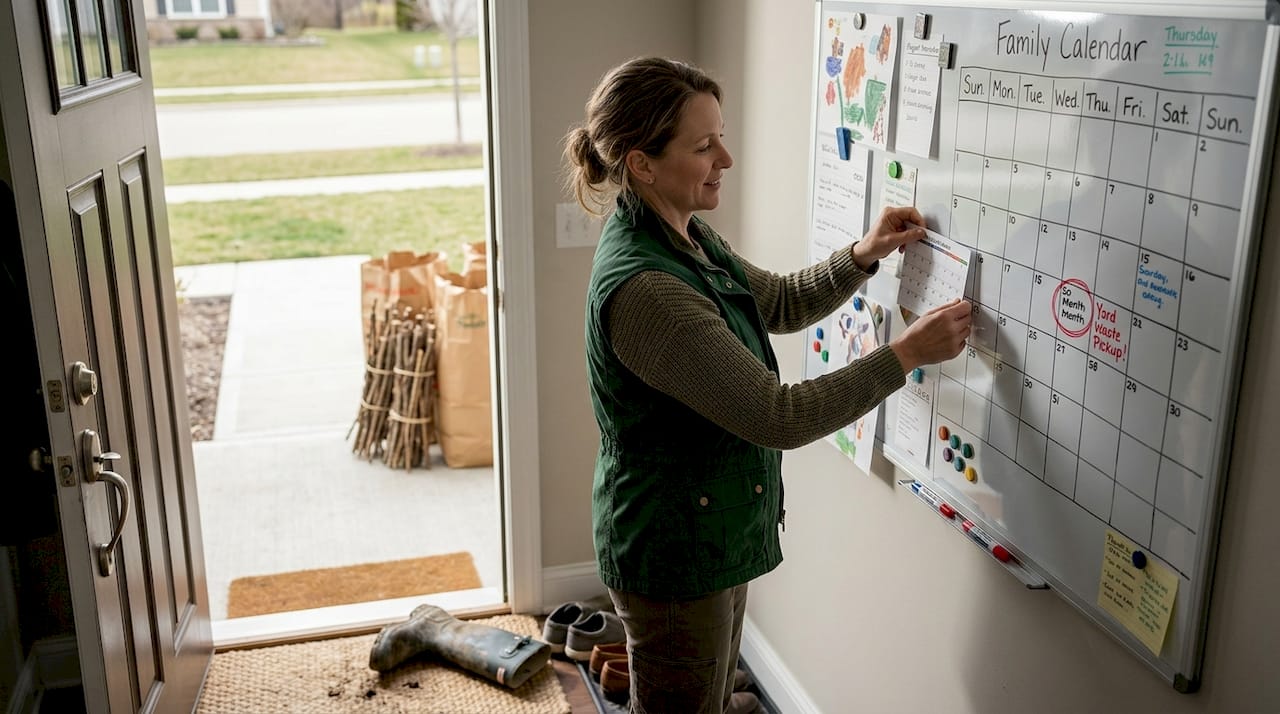
Pro Tip: Set a calendar reminder for the last curbside collection date in your town each fall. Missing it means storing yard waste through winter or arranging private pickup.
For a full breakdown of how to stay compliant year-round, the yard waste removal guide covers town-specific rules and best practices for Massachusetts homeowners.
Municipal curbside collection: Process, rules, and schedules
To comply with regulations, most towns provide curbside collection — here’s how to use it correctly. The rules are stricter than most people expect, and small mistakes like using a plastic bag can get your entire pile left behind.
Here’s a step-by-step process for preparing your yard waste for curbside pickup:
Sort your materials — separate leaves and grass from branches and brush before bagging anything.
Bag leaves and clippings in paper bags only. Plastic bags are not accepted anywhere in Massachusetts for yard waste.
Label your containers — barrels must be clearly marked “Yard Waste” so crews can identify them quickly.
Bundle branches and brush — tie them with twine into manageable bundles. Boston’s curbside rules require branches to be under 3 feet long and no more than 1 inch thick.
Keep weight limits in mind — most towns cap individual bags or bundles at 50 pounds.
Place materials at the curb the evening before or early morning of your scheduled pickup day.
Check your town’s schedule — Boston runs April through December, while Framingham’s curbside collection focuses on specific fall weeks.
What you cannot include in curbside yard waste:
Plastic bags of any kind
Dirt, rocks, or gravel
Mulch or wood chips
Invasive or diseased plants
Tree stumps larger than local limits
Any household trash or food waste
Pro Tip: Paper yard waste bags are sold at most hardware stores in Massachusetts. Buying them in bulk at the start of spring saves you multiple trips and keeps you ready for any cleanup.
For a full walkthrough of eco-friendly yard waste steps tailored to Massachusetts homes, or to explore professional yard waste removal services when curbside isn’t enough, there are options designed for every situation.
Eco-friendly alternatives: Composting, grasscycling, and private hauling
Municipal options have limits, so let’s explore eco-friendly alternatives and upgrades. Curbside collection only runs part of the year, has volume limits, and doesn’t work for large-scale cleanups after storms or major landscaping projects.
Here are the most effective eco-friendly alternatives available to Massachusetts homeowners:
DIY backyard composting — a compost bin turns leaves, grass clippings, and garden trimmings into rich soil amendment within a few months. It’s free, reduces your waste output, and benefits your garden directly.
Grasscycling — leaving grass clippings on the lawn after mowing returns nitrogen to the soil naturally. This practice can reduce yard waste output by up to 50%, meaning fewer bags and less effort overall.
Mulch-mowing leaves — running your mower over fallen leaves shreds them into fine pieces that decompose quickly into the lawn. No bagging, no hauling.
Drop-off composting sites — many Massachusetts towns operate year-round drop-off locations for yard waste. These accept larger volumes than curbside pickup allows.
Private hauling services — for large volumes, post-storm debris, or properties without curbside service, hiring a professional removal crew is the most efficient option.
“Prioritize composting and recycling over hauling whenever possible. Check local schedules since spring and fall collection windows are limited and winter pickup is typically unavailable.”
Professional services don’t just haul material away. A quality crew sorts your yard waste to ensure it reaches the right composting or recycling facility, keeping your disposal fully compliant with MassDEP rules. For more on eco-friendly junk removal practices and how they support Massachusetts sustainability goals, the environmental case is stronger than most people realize.
Special cases and common misconceptions
Even with general rules, some situations call for special attention and action. Several common yard waste scenarios trip up even experienced homeowners and property managers.
Invasive and diseased plants are one of the biggest misconceptions. Many people assume all yard waste can go into compost, but invasive species and diseased plants must never go into municipal compost programs. Composting them can spread disease or allow invasive plants to establish in new areas. Bag them separately and contact your town for guidance on proper disposal.
Burning yard waste is tightly restricted across Massachusetts. Open burning is banned in most municipalities and requires a permit in areas where it is allowed. It is never a compliant substitute for composting or recycling.
Here are other special cases worth knowing:
Christmas trees — most towns offer a separate curbside collection window in January. Remove all decorations and tinsel before placing the tree at the curb.
Storm debris — after major storms, many municipalities activate special collection programs with relaxed size and volume limits. Check your town’s emergency notifications.
Large tree stumps — most curbside programs don’t accept stumps above a certain diameter. You’ll need a private hauler or stump grinding service.
Property managers — if you oversee multiple units, you’re responsible for ensuring tenant compliance with MassDEP yard waste bans. Coordinating seasonal cleanups proactively prevents violations.
Pro Tip: After a major storm, document your debris with photos before cleanup. Some towns require documentation for special collection requests or insurance claims.
For property managers handling multiple units, knowing how to coordinate same-day junk pickup for large-scale yard cleanups can save significant time and reduce compliance risk. Additional yard clean-up advice specific to Massachusetts conditions is also worth reviewing before each season.
Get help with yard waste removal: Local solutions for easy disposal
Staying compliant with Massachusetts yard waste regulations takes planning, the right materials, and sometimes more capacity than curbside pickup provides. That’s where professional removal makes a real difference.
At Junk Dispatch, we handle yard waste removal for homeowners and property managers across Massachusetts, from single-family cleanups to large multi-unit seasonal hauls. Our insured crews sort and transport materials to licensed composting and recycling facilities, keeping your disposal fully compliant with MassDEP rules. We offer same-day scheduling, free estimates, and transparent pricing so you’re never left guessing. Whether you’re in Reading, across Essex County, or anywhere else in Massachusetts, Junk Dispatch is ready to handle the heavy lifting while you focus on enjoying your outdoor space.
Frequently asked questions
Is yard waste removal required by law in Massachusetts?
Yes. MassDEP regulations ban yard waste from landfills since 1991, requiring all organic yard debris to be composted, recycled, or mulched instead.
What materials are accepted in Massachusetts curbside yard waste collection?
Most towns accept leaves, grass clippings, branches within size limits, and garden trimmings. No plastic bags, dirt, mulch, rocks, or invasive and diseased plants are allowed.
How should yard waste be prepared for pickup?
Branches must be bundled and tied within size and weight limits, leaves and grass go in paper bags or labeled barrels, and brush must be kept separate from other materials.
Can property managers coordinate bulk yard waste removal for their tenants?
Yes. Property managers are responsible for tenant compliance with MassDEP bans and can schedule bulk seasonal or storm-related cleanups through municipal programs or private haulers.
What are eco-friendly alternatives to municipal yard waste pickup?
DIY composting, grasscycling, and mulch-mowing are the most accessible options. For large volumes, private hauling reduces waste by routing materials directly to licensed composting facilities.
Recommended
Comments