Yard waste removal guide Massachusetts 2026: eco-friendly
- Joe Lusso
- Mar 8
- 9 min read

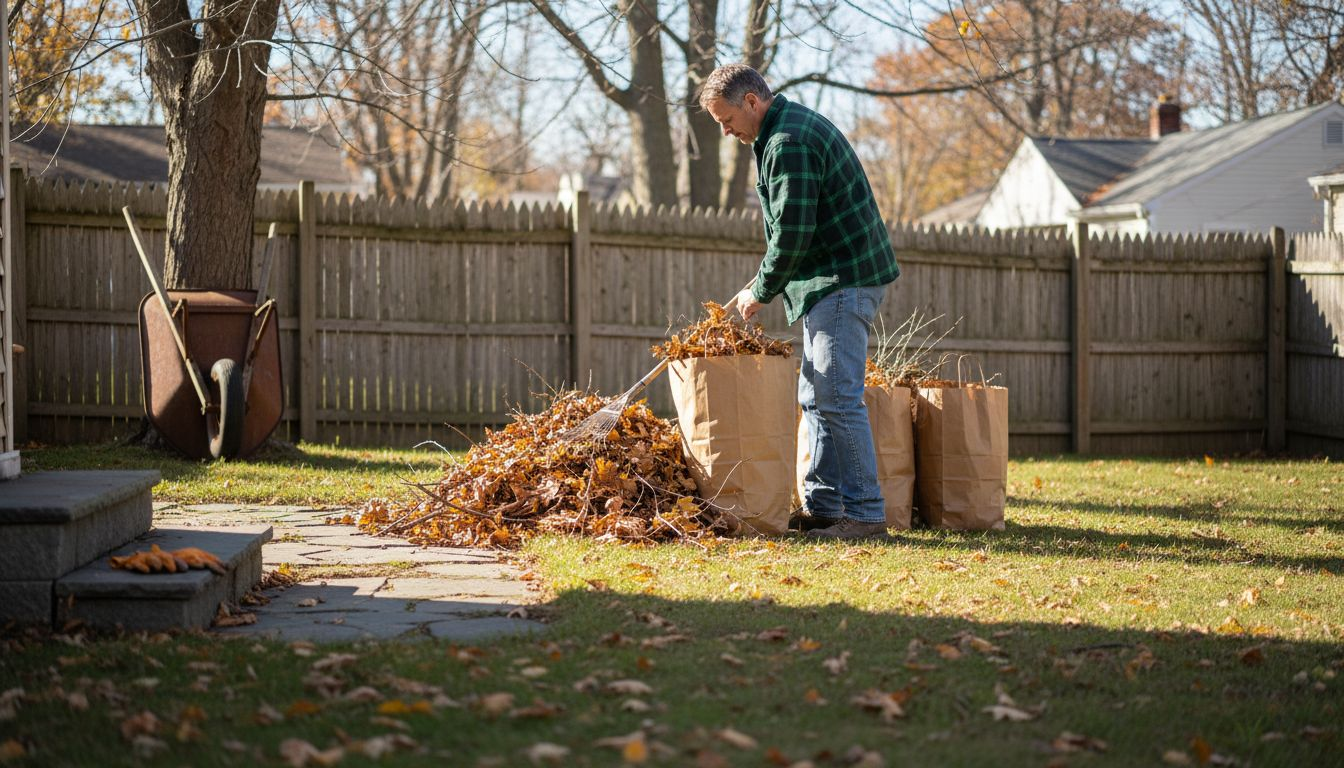
Falling leaves, overgrown branches, and grass clippings pile up fast across Massachusetts yards every season. Many homeowners struggle with where to dispose of yard waste legally while avoiding fines and environmental harm. This guide walks you through Massachusetts regulations, eco-friendly removal methods, and professional services that keep your property compliant and your lawn healthy year-round.
Table of Contents
Key takeaways
Point | Details |
MassDEP bans yard waste landfill disposal | Landfill disposal is prohibited except when contaminated, requiring recycling or composting. |
Composting and mulching cut waste volume | Recycling organic material on-site reduces environmental impact and returns nutrients to soil. |
Proper segregation prevents fines | Mixing soil or contaminated debris with yard waste violates regulations and attracts penalties. |
Professional services ensure compliance | Licensed providers offer convenient pickup with eco-friendly disposal guarantees. |
Safety gear protects against hazards | Gloves and eye protection prevent injuries from sharp objects and allergens during handling. |
Understanding yard waste and its local impact
Yard waste includes grass clippings, leaves, branches, tree trimmings, garden debris, and brush from routine property maintenance. These organic materials decompose naturally, but when sent to landfills, they produce methane, a greenhouse gas far more potent than carbon dioxide. Massachusetts recognized this environmental threat and took legislative action to protect air quality and reduce landfill pressure.
The Massachusetts Department of Environmental Protection prohibits landfill disposal of yard waste except for recycling or composting purposes. Limited exceptions exist for contaminated materials requiring special permits, but typical residential yard debris must be diverted to composting facilities or recycled on-site. This regulation pushes homeowners and property managers toward sustainable practices that benefit local ecosystems.
Proper yard waste management supports healthier soil, cleaner air, and reduced municipal waste costs. Composting and mulching transform organic debris into valuable nutrients, closing the loop on natural cycles. Understanding these regulations helps you avoid violations while contributing to eco-friendly yard waste practices that protect Massachusetts communities.
Key yard waste categories include:
Grass clippings and lawn trimmings
Fallen leaves and seasonal foliage
Branches, twigs, and pruned brush
Garden plant debris and weeds
Wood chips and small tree limbs
Preparing for your yard waste removal
Before starting any yard waste project, check your local municipality’s collection schedule and accepted materials list. Massachusetts towns vary in pickup frequency, bag requirements, and seasonal availability. Some communities offer curbside collection during spring and fall, while others require drop-off at designated composting sites. Knowing these details prevents missed pickups and wasted effort.
Homeowners can compost organic material generated at their residence without special permits under MassDEP regulations. This allows on-site recycling through backyard composting bins or mulching practices. Gather essential tools like heavy-duty gloves, biodegradable bags rated for yard waste, a mulching mower for grass clippings, and a three-bin composting system for larger properties.
Segregation is critical for regulatory compliance. Never mix soil, rocks, construction debris, or contaminated materials with organic yard waste. These items require separate disposal channels and can trigger fines if combined. Prepare separate containers for different waste streams to streamline the removal process and meet professional service requirements.
Pro Tip: Contact your town hall or visit the municipal website to download the current yard waste collection calendar and guidelines before your first cleanup.
Essential preparation steps:
Review MassDEP yard waste regulations and local ordinances
Acquire proper tools: gloves, bags, compost bins, mulching equipment
Identify your town’s collection days and accepted materials
Set up segregated storage areas for different waste types
Plan removal timing around seasonal lawn health needs
For additional preparation strategies, explore yard waste removal tips for Massachusetts homeowners that align with state regulations.
Step-by-step guide to eco-friendly yard waste removal
Effective yard waste removal starts with proper sorting and processing. Follow these numbered steps to maximize environmental benefits while staying compliant with Massachusetts law.
Segregate materials by type: separate grass clippings, leaves, branches, and garden debris into distinct piles or containers.
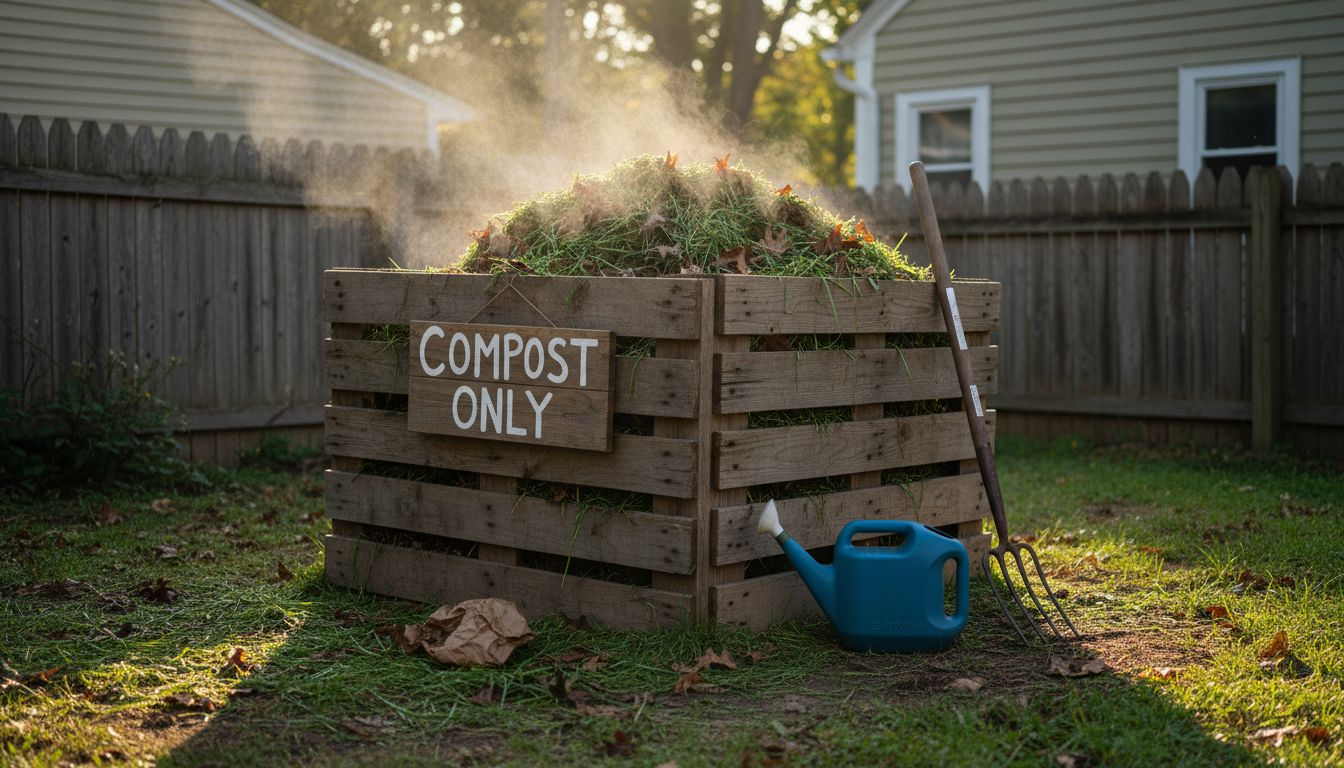
Compost small organic materials in a backyard bin, layering green waste with brown materials like dried leaves for optimal decomposition.
Use mulching mowers to recycle grass clippings directly into your lawn without increasing thatch, returning nutrients naturally.
Bundle branches and brush according to your municipality’s size limits, typically 4 feet long and tied with biodegradable twine.
Bag loose leaves and plant debris in biodegradable or reusable containers approved by your waste hauler.
Schedule removal before the first hard frost between late September and early December to prevent lawn diseases and prepare soil for spring growth.
Timing matters significantly for lawn health and pest prevention. Fall cleanup removes disease harboring debris, while spring removal clears winter damage before new growth. Delaying removal past optimal windows can weaken grass, invite pests, and complicate disposal logistics as municipal programs shift seasonally.
Pro Tip: Layer “green” nitrogen-rich materials like fresh grass clippings with “brown” carbon-rich materials like dry leaves in your compost bin to speed decomposition and reduce odors.
Method | Environmental Benefit | Time Investment | Cost Range |
On-site composting | Eliminates transportation emissions, enriches soil | Moderate (ongoing maintenance) | Low (initial bin cost $50-$200) |
Mulching mowers | Reduces waste volume, returns nutrients to lawn | Low (during regular mowing) | Medium (mower upgrade $200-$500) |
Professional removal | Ensures compliant eco-friendly disposal | Minimal (one-time scheduling) | Medium to High ($75-$300 per load) |
Different approaches suit different property sizes and schedules. Small urban yards benefit from compact composting systems, while larger suburban properties can implement comprehensive eco-friendly yard waste removal steps combining multiple methods.
Leveraging professional yard waste removal services
Professional services eliminate the physical labor and logistical complexity of yard waste disposal. Licensed providers understand Massachusetts regulations, ensuring your debris reaches approved composting or recycling facilities rather than landfills. This compliance guarantee protects you from potential fines while supporting environmental goals.
Online booking platforms streamline scheduling, letting you compare availability and pricing from your computer or phone. Most professional services offer free on-site estimates that account for volume, material type, and disposal method. Transparent pricing removes surprise charges, with typical costs ranging from $75 for small loads to $300 for large property cleanouts.
Flexibility ranks among the biggest advantages of professional removal. Same-day service accommodates urgent needs like storm cleanup or pre-sale property preparation. Scheduled pickups align with your maintenance calendar, handling seasonal surges without storage headaches. Insured crews manage heavy lifting safely, reducing injury risk compared to DIY efforts.
Eco-friendly disposal verification distinguishes reputable providers from basic haulers. Ask potential services about their recycling partnerships, composting facility certifications, and waste diversion rates. Quality companies track where your yard waste goes and provide documentation confirming environmentally responsible processing.
Benefits of professional yard waste removal:
Eliminates heavy lifting and physical strain
Guarantees regulatory compliance with MassDEP requirements
Provides flexible scheduling including same-day options
Offers transparent pricing through free estimates
Confirms eco-friendly disposal at certified facilities
Handles large volumes beyond municipal collection limits
For guidance on booking and preparing for service, review this scheduling junk removal guide covering timing, pricing, and communication best practices.
Avoiding common mistakes and maintaining safety
Violations happen when homeowners unknowingly mix prohibited materials with yard waste. Mixing soil or contaminated debris violates MassDEP regulations and can result in fines or rejected pickups. Soil contaminated with chemicals, construction debris like treated lumber, and non-organic materials require separate disposal through licensed solid waste facilities with appropriate permits.
Timing mistakes create compounding problems. Delaying fall cleanup past the first hard frost allows disease and pests to overwinter in debris, weakening your lawn for the following season. Missing municipal collection windows forces you to store waste longer or seek costlier alternatives. Plan ahead using local calendars to avoid these scheduling traps.
Safety guidelines recommend wearing gloves and protective gear when handling yard waste to avoid exposure to allergens, sharp objects, and potential contaminants. Eye protection shields against flying debris during chipping or shredding. Sturdy boots prevent puncture wounds from hidden nails or thorns in brush piles.
Proper lifting technique prevents back injuries when moving heavy bags or bundled branches. Bend at the knees, keep loads close to your body, and ask for help with oversized items. Recognize your physical limits and delegate strenuous tasks to professionals when appropriate.
Pro Tip: Store yard waste bags away from building foundations and wooden structures to prevent moisture damage, pest attraction, and fire hazards while awaiting pickup.
“Homeowners who store yard waste improperly risk attracting rodents, creating fire hazards, and violating local ordinances that limit storage duration and location.”
Common mistakes to avoid:
Combining soil, rocks, or treated wood with organic yard waste
Skipping required permits for contaminated material disposal
Missing optimal cleanup timing windows before frost or storms
Neglecting safety gear during handling and processing
Exceeding municipal bag weight limits causing collection refusal
Storing waste near structures creating pest and fire risks
Additional safety and compliance tips appear in yard waste removal guidance for Massachusetts homeowners addressing regional regulations.
Expected results and environmental benefits of proper yard waste removal
Proper yard waste management delivers measurable environmental and financial returns. Composting diverts organic material from landfills where decomposition produces methane, reducing greenhouse gas emissions that contribute to climate change. Each ton of yard waste composted instead of landfilled prevents approximately 0.3 metric tons of carbon dioxide equivalent emissions.
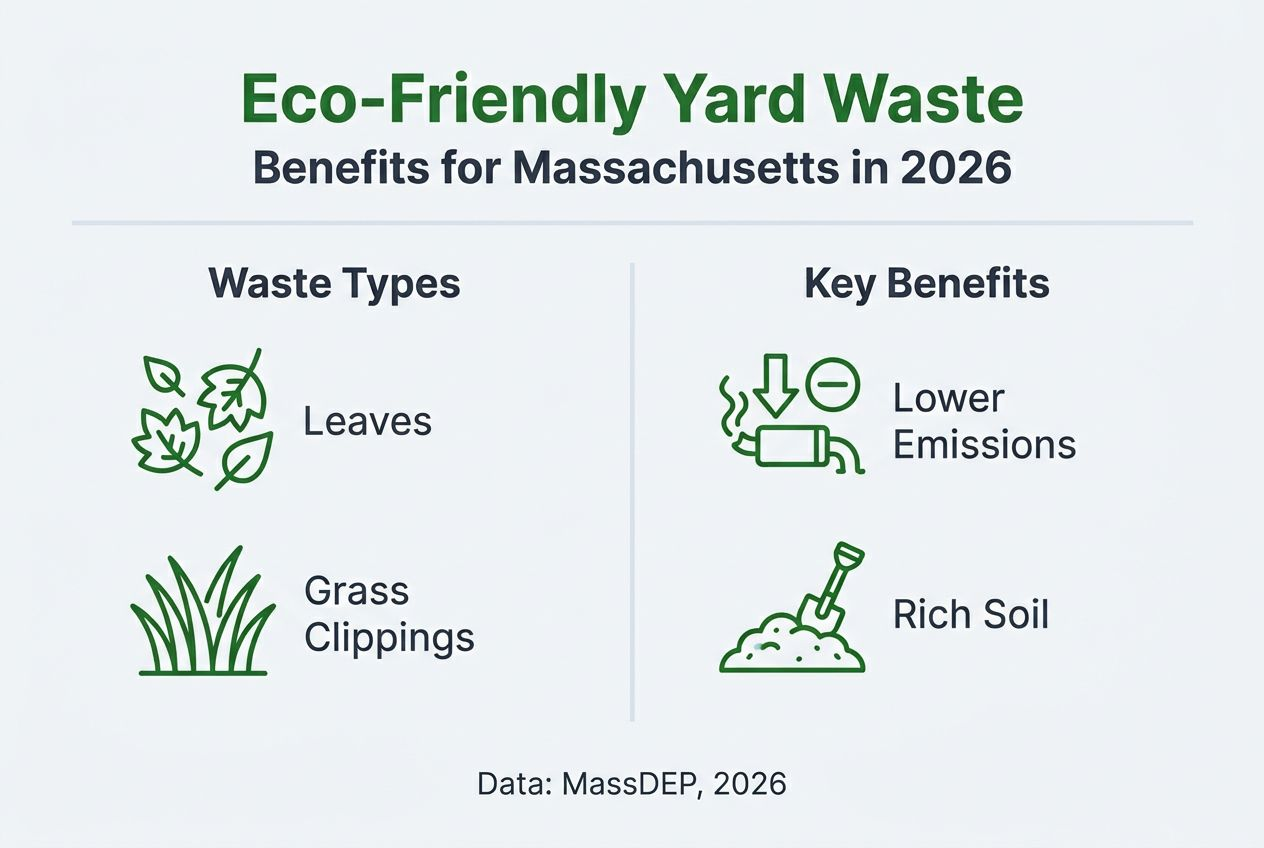
Lawn and soil health improve dramatically through nutrient recycling. Mulched grass clippings return nitrogen, phosphorus, and potassium to turf, reducing fertilizer needs by up to 25%. Composted leaves create rich humus that improves soil structure, water retention, and beneficial microbe populations. These natural amendments cost nothing beyond initial setup and save money on commercial products.
Compliance avoidance of fines protects your budget. Massachusetts municipalities enforce yard waste regulations through inspections and complaint responses. Violations can trigger warnings escalating to monetary penalties ranging from $50 for first offenses to $300 or more for repeat violations. Professional services eliminate this risk through guaranteed compliant disposal.
Community-wide benefits multiply individual efforts. When neighborhoods adopt proper yard waste practices, municipal composting programs become more efficient and cost-effective. Reduced landfill volume extends facility lifespans and lowers taxpayer costs. Cleaner air and healthier ecosystems benefit everyone, creating environmental equity across income levels.
Key outcomes of proper yard waste removal:
Reduced methane emissions through composting and recycling
Improved soil fertility and lawn health from nutrient cycling
Cost savings from decreased fertilizer and waste disposal fees
Compliance with regulations avoiding fines and penalties
Enhanced community sustainability and ecosystem health
Yard waste composting reduces landfill methane emissions by up to 30% compared to traditional disposal methods.
Explore professional yard waste removal services with Junk Dispatch
Managing yard waste legally and sustainably doesn’t require doing everything yourself. Junk Dispatch offers professional yard waste removal throughout Massachusetts, combining eco-friendly disposal with the convenience you need. Our transparent pricing and flexible scheduling, including same-day pickup options, make compliance simple for busy homeowners and property managers.

We partner with certified composting facilities to ensure your organic debris gets recycled properly, never ending up in landfills. Online booking and free estimates help you plan efficiently without surprise charges. Whether you need seasonal cleanup in Reading, comprehensive removal across Essex County, or guidance on scheduling your service, our insured crews deliver reliable results that protect your property and the environment.
Frequently asked questions
How do I compost yard waste at home legally in Massachusetts?
Homeowners can compost organic material generated at their residence without limits for personal use under MassDEP regulations. Small composting operations must stay below 20 cubic yards or 10 tons per week to avoid commercial permitting requirements. For more backyard composting strategies, see yard waste removal tips for Massachusetts homeowners.
What common yard waste disposal mistakes should I avoid?
Avoid mixing soil, rocks, or contaminated debris with organic yard waste, as this violates MassDEP regulations and can result in fines or rejected pickups. Schedule cleanup before the first hard frost between late September and early December to prevent lawn diseases and pest overwintering that weaken grass for the following season.
When is the best time to schedule yard waste removal in Massachusetts?
Scheduling before the first hard frost between late September and early December optimizes lawn health and prevents disease. Spring removal between March and May clears winter debris before new growth. Timing varies by town, so check your municipal collection calendar for exact dates. Learn more through eco-friendly yard waste removal steps tailored to Massachusetts seasons.
How much does professional yard waste removal cost in Massachusetts?
Typical costs range from $75 for small loads like a few bags of leaves to $300 for large property cleanouts involving multiple cubic yards of branches and debris. Pricing depends on volume, material type, accessibility, and disposal method. Request free estimates from licensed providers to compare options and ensure transparent pricing without hidden fees.
Can I leave grass clippings on my lawn instead of removing them?
Yes, mulching grass clippings back into your lawn is environmentally beneficial and reduces waste volume without increasing thatch. This practice returns valuable nutrients like nitrogen to the soil, reducing fertilizer needs by up to 25%. Use a mulching mower with sharp blades for best results, and mow frequently enough that clippings are short and decompose quickly.
Recommended
Comments