Top yard waste removal benefits for Massachusetts homeowners
- Joe Lusso
- 12 minutes ago
- 7 min read

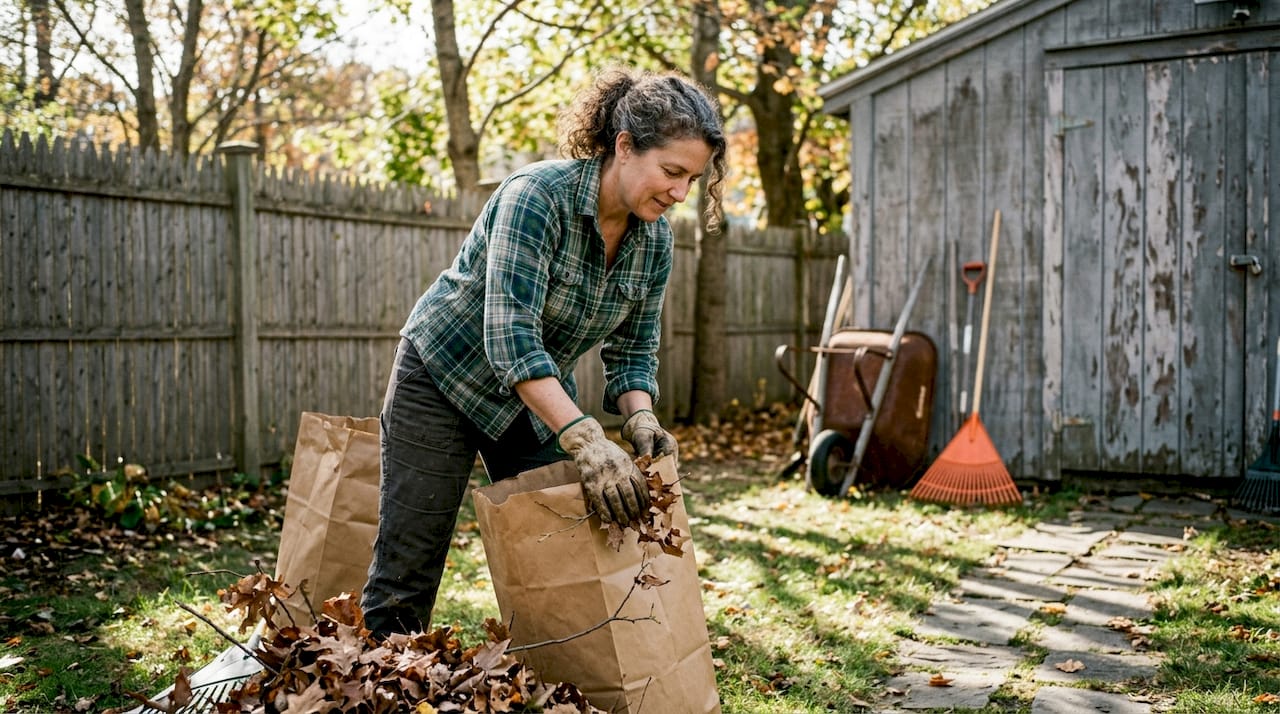
Managing yard waste in Massachusetts can feel overwhelming, especially during spring and fall when leaves, branches, and grass clippings pile up quickly. Many homeowners struggle to balance eco-friendly disposal with convenience and local regulations. Understanding the benefits of proper yard waste removal and exploring sustainable options like composting, mulching, and municipal programs can transform your outdoor space. This article explains how efficient yard waste removal improves property health, safety, and environmental impact while offering practical solutions tailored for Massachusetts residents.
Table of Contents
Key Takeaways
Point | Details |
Yard waste removal benefits | Regular removal reduces pests, disease, and safety hazards while boosting curb appeal and property value. |
Composting environmental gains | Composting turns yard waste into nutrient rich soil, lowers methane emissions from landfills, and supports drought resistant lawns. |
Municipal programs and options | Massachusetts programs offer curbside collection, drop off sites, and composting services that make eco friendly disposal accessible. |
Mulching and professional help | Mulching leaves supports soil health and biodiversity, while professional services can handle large or bulk yard waste efficiently. |
How efficient yard waste removal improves property and safety
Leaving yard waste unmanaged creates multiple problems for Massachusetts homeowners. Piles of leaves, branches, and grass clippings attract rodents, mosquitoes, and other pests that thrive in decaying organic matter. These conditions also promote fungal diseases like snow mold and brown patch that damage turf health and require costly lawn treatments. Accumulated debris becomes a tripping hazard for children and elderly family members, while dry leaves and twigs near structures increase fire risk during hot summer months.
Regular yard waste removal prevents pest infestations, fungal diseases, and safety hazards while improving curb appeal and property value for Massachusetts homeowners. Clean, well-maintained yards signal pride of ownership and create positive first impressions for neighbors and potential buyers. Real estate professionals consistently note that properties with tidy landscapes sell faster and command higher prices than comparable homes with cluttered outdoor spaces.
Key benefits of regular yard waste removal include:
Eliminating breeding grounds for disease-carrying mosquitoes and ticks
Preventing lawn diseases that spread from decomposing organic matter
Reducing slip and fall risks from wet leaves on walkways
Enhancing neighborhood aesthetics and community standards
Protecting home value through consistent landscape maintenance
Pro Tip: Schedule yard waste removal immediately after major storms or seasonal cleanups to prevent pest colonization and maintain curb appeal year-round.
Massachusetts homeowners who adopt consistent removal practices report fewer pest control issues and lower lawn care costs over time. Following proven yard waste removal steps ensures your property remains safe, attractive, and valuable throughout every season.
Environmental benefits of composting yard waste
Composting transforms yard waste into nutrient-rich soil amendments that dramatically improve garden and lawn health. Research shows compost boosts soil organic carbon by 9-27% and reduces bulk density up to 28%, creating looser soil structure that promotes root growth and water infiltration. These improvements help plants withstand drought stress and reduce irrigation needs during dry Massachusetts summers.
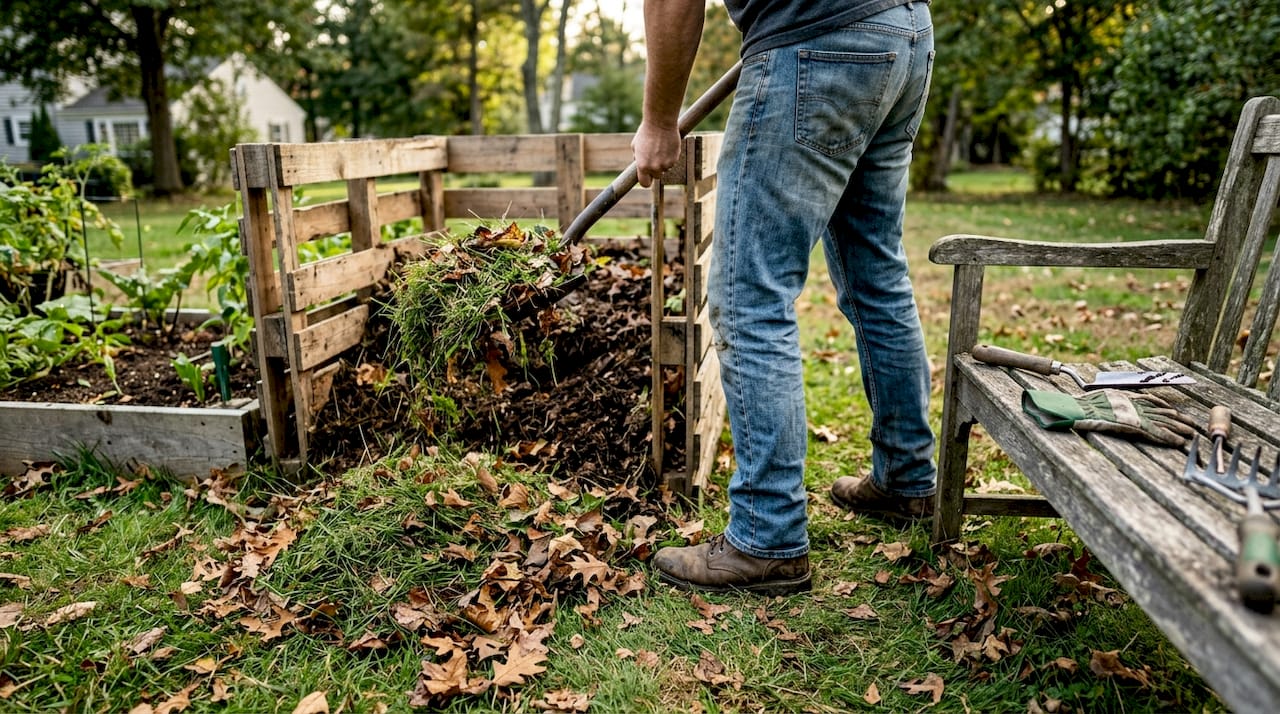
Beyond soil benefits, composting significantly reduces environmental harm from organic waste disposal. When yard waste decomposes in landfills without oxygen, it produces methane, a greenhouse gas 28 times more potent than carbon dioxide. Composting programs in Massachusetts accept yard waste with food scraps, reducing landfill methane while providing free drop-offs and municipal services that facilitate eco-friendly disposal for residents across the state.
Massachusetts offers several accessible composting options:
Black Earth Compost provides residential pickup services in eastern Massachusetts
Bootstrap Compost serves Greater Boston with weekly food scrap and yard waste collection
Municipal drop-off sites accept leaves, grass clippings, and small branches at no cost
Community gardens often welcome yard waste donations for shared composting systems
Home composting bins turn backyard debris into free fertilizer within months
Composting benefit | Measured impact |
Soil carbon increase | 9-27% improvement |
Bulk density reduction | Up to 28% decrease |
Water retention | 2-3x absorption capacity |
Methane reduction | 80-90% vs landfilling |
Pro Tip: Mix grass clippings with dry leaves in a 1:3 ratio to create balanced compost that breaks down quickly without odor problems.
Homeowners who compost yard waste save money on fertilizers and soil amendments while contributing to Massachusetts climate goals. The yard waste removal guide provides detailed instructions for starting home composting systems that work in New England conditions.
Municipal yard waste collection programs and regulations in Massachusetts
Massachusetts municipalities operate seasonal yard waste collection programs with specific rules designed to protect equipment and workers. Most towns offer curbside pickup in paper bags or bundles during spring and fall, with strict prohibitions against plastic bags that contaminate composting facilities. Understanding these regulations helps homeowners avoid collection refusals and fines while maximizing program benefits.
Common requirements across Massachusetts communities include:
Paper yard waste bags only, typically kraft paper rated for 35 pounds
Branch bundles tied with natural twine, not wire or plastic rope
Maximum branch diameter of 3 inches and length of 4 feet
Weight limits of 35 pounds per bag or bundle for worker safety
Exclusion of logs, stumps, and large bulky items requiring special disposal
Collection schedules vary significantly between municipalities, with some offering weekly pickups during peak seasons and others providing monthly service. Many towns suspend yard waste collection during winter months when frozen ground prevents composting operations. Residents should check local department of public works websites for current schedules and any temporary changes due to holidays or weather events.
Municipality feature | Typical requirement |
Bag type | Kraft paper, 30-35 gallon capacity |
Branch size | Under 3 inches diameter, 4 feet long |
Weight limit | 35 pounds maximum per unit |
Pickup frequency | Weekly spring/fall, monthly summer |
Winter service | Suspended November-March |
Homeowners generating yard waste exceeding municipal limits need alternative disposal solutions. Following practical yard waste removal tips helps manage large volumes while staying compliant with local regulations and avoiding illegal dumping penalties.
Balancing leaf removal with biodiversity and yard health
Recent ecological research reveals complex trade-offs between leaf removal and wildlife conservation. Studies show leaf removal reduces overwintering insects by 17% overall, with butterfly and moth populations dropping 40-45% when yards are completely cleared. These insects provide essential food for birds during spring migration and support healthy ecosystem function in residential landscapes.
The ‘Leave the leaves’ campaign promotes on-site mulching over removal for wildlife benefits, but acknowledges that regular removal remains necessary for turf health in high-maintenance lawns. Thick leaf layers block sunlight and trap moisture, creating conditions for fungal diseases and suffocating grass plants. Massachusetts homeowners must balance ecological benefits with practical yard care needs based on their landscape goals and maintenance standards.
Strategies for balancing biodiversity with yard health:
Mulch leaves in garden beds and around trees while clearing lawn areas
Leave leaf piles in back corners or wooded edges for overwintering insects
Mow leaves into small pieces that decompose quickly without smothering grass
Remove only enough leaves to prevent turf damage while maintaining habitat patches
Time removal after first hard frost when most insects have already found shelter
“Mulching leaves on-site provides the best outcome for soil health and beneficial wildlife while reducing disposal costs and environmental impact from hauling organic matter to distant facilities.”
Homeowners committed to supporting pollinators and beneficial insects can designate specific yard areas for natural leaf accumulation while maintaining tidy spaces near homes and high-traffic zones. This compromise approach preserves wildlife habitat without sacrificing property appearance or safety. Consulting resources on eco-friendly yard waste removal helps develop customized strategies that work for individual properties and environmental values.
Pro Tip: Use a mulching mower to shred fallen leaves into pieces small enough to filter into grass without creating thick mats that harm turf.
Balanced leaf management requires understanding your yard’s specific conditions and adjusting practices seasonally. Following expert yard waste removal tips ensures you protect both landscape health and local biodiversity throughout the year.
Eco-friendly yard waste removal services from Junk Dispatch
When municipal programs cannot handle your yard waste volume or you lack time for DIY removal, professional services offer efficient solutions. Junk Dispatch provides comprehensive yard waste removal tailored to Massachusetts regulations and environmental standards, handling everything from seasonal leaf cleanups to storm debris removal.

Our team manages bulk loads that exceed municipal weight and size limits, ensuring proper disposal through licensed composting facilities and recycling centers. We schedule pickups around your availability, including same-day service for urgent cleanouts after major weather events. This convenience proves especially valuable for busy homeowners, elderly residents, and property managers overseeing multiple locations.
Junk Dispatch’s eco-conscious approach minimizes landfill impact by directing organic materials to composting operations whenever possible. Our Reading junk removal and Essex County services demonstrate our commitment to sustainable disposal practices across Massachusetts communities. Specialized yard waste removal services ensure compliance with local regulations while maximizing environmental benefits.
Pro Tip: Schedule professional yard waste removal during peak spring and fall seasons to complement municipal curbside timing and maintain consistent property appearance.
Frequently asked questions about yard waste removal benefits
What are the main benefits of regular yard waste removal?
Regular removal prevents pest infestations, reduces fungal lawn diseases, eliminates safety hazards like trip risks and fire danger, and significantly improves curb appeal and property value. Clean yards create healthier outdoor environments for families while supporting neighborhood aesthetics.
How do Massachusetts municipal yard waste rules affect my disposal options?
Municipalities require paper bags or tied bundles, limit branch size to 3 inches diameter and 4 feet length, and cap weight at 35 pounds per unit. Seasonal collection schedules and restrictions on plastic bags or oversized items mean homeowners must plan disposal carefully or seek alternative solutions for excess volumes.
Is composting yard waste truly beneficial for my soil and the environment?
Composting increases soil organic carbon by 9-27%, improves water retention dramatically, and reduces methane emissions by 80-90% compared to landfilling. These benefits translate to healthier plants, lower water bills, and meaningful climate impact reduction for environmentally conscious homeowners.
Can I mulch leaves instead of removing them every fall?
Mulching leaves supports beneficial insects and soil health when done strategically, but complete leaf coverage damages turf by blocking light and trapping moisture. Balance biodiversity goals with lawn health by mulching in garden beds while clearing grass areas, or use a mulching mower to shred leaves into small pieces. Following eco-friendly yard waste removal steps helps implement effective mulching strategies.
What professional services assist with bulk yard waste removal in Massachusetts?
Junk Dispatch and similar providers handle volumes exceeding municipal limits, offering scheduled or same-day pickup with eco-conscious disposal through licensed composting facilities. Professional services prove especially helpful after storms, during major landscape renovations, or for property managers needing consistent service across multiple locations. The comprehensive Massachusetts yard waste removal guide details professional service options and selection criteria.
Recommended
Comments