Master storage unit cleanout in MA: save 40% on costs
- Joe Lusso
- 1 day ago
- 10 min read

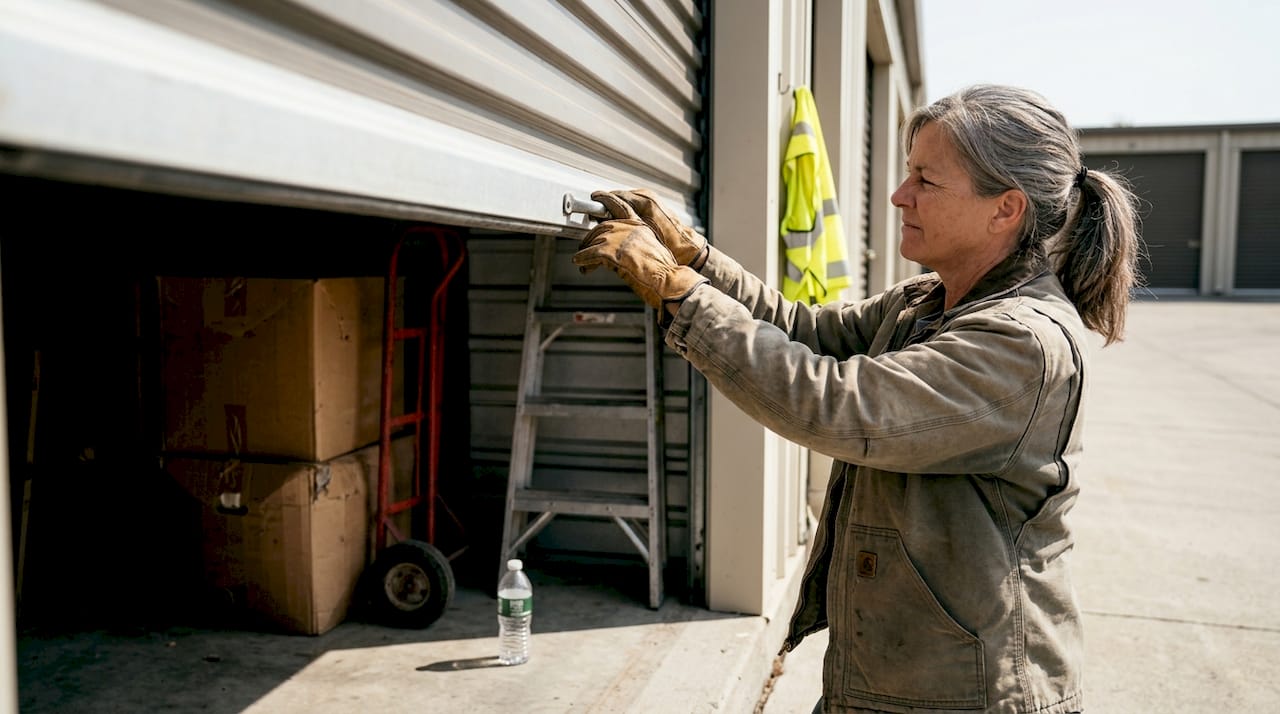
Storage unit cleanouts can feel overwhelming, especially when you’re facing tight deadlines, uncertain legal requirements, and piles of forgotten belongings. In Massachusetts, property managers and homeowners often struggle with abandoned or delinquent units, unsure how to proceed without risking legal disputes or wasting valuable time. An efficient, compliant cleanout process helps you avoid costly mistakes, meet regulatory obligations, and reclaim space quickly. This guide walks you through every step of the storage unit cleanout process, from understanding Massachusetts laws to executing a thorough, safe cleanup that protects your interests and maximizes efficiency.
Table of Contents
Key Takeaways
Point | Details |
Abandoned vs delinquent rules | Understand the Massachusetts distinctions to choose faster possession for abandoned units and formal lien processes for delinquent ones. |
Four box sorting | Use a clear sorting system with four labeled areas for keep donate sell and toss to speed decisions and reduce repeats. |
Hazardous and pest handling | Identify hazardous or pest affected items and arrange compliant disposal and safety procedures. |
Documentation safeguards | Document inventory with photos and keep records of communications to protect against disputes and prove compliance. |
Professional removal help | Consider licensed removal services to speed cleanup and ensure eco friendly disposal. |
Understanding Massachusetts storage unit laws
Massachusetts law provides specific definitions and procedures for storage unit cleanouts that you must understand before starting. Abandoned leased space is defined under MGL Chapter 105A Section 1, allowing operators to take possession without going through the lien process when specific conditions are met. These conditions include tenant failure to pay rent for at least 60 days, written notice to the tenant’s last known address, and no response within 14 days of that notice.
For delinquent but not abandoned units, operators must follow lien enforcement procedures under Chapter 105A Section 4, which requires detailed notices and specific auction timelines. The distinction matters because abandoned units allow faster possession, while delinquent units require formal lien sales with public notice requirements. Understanding this difference helps you determine which timeline and process applies to your situation.
Massachusetts also maintains separate eviction storage laws that apply when tenants are evicted from residential properties and their belongings are moved to storage. These laws impose different notice periods and disposal rules than standard storage agreements. Mixing up these frameworks can expose you to legal liability, so verify which statute governs your specific cleanout before proceeding.
Common legal pitfalls include:
Starting cleanout before proper notice periods expire
Failing to document the unit’s contents before removal
Disposing of items that may have significant value without proper auction procedures
Ignoring tenant communications that could reset notice timelines
Removing personal documents or items with sentimental value without following statutory requirements
If you’re managing multiple units or dealing with complex situations, consulting a facility cleanout guide Massachusetts resource can clarify your obligations. The legal landscape is designed to balance operator rights with tenant protections, so thorough compliance protects you from disputes and potential lawsuits down the line.
Preparing for the storage unit cleanout
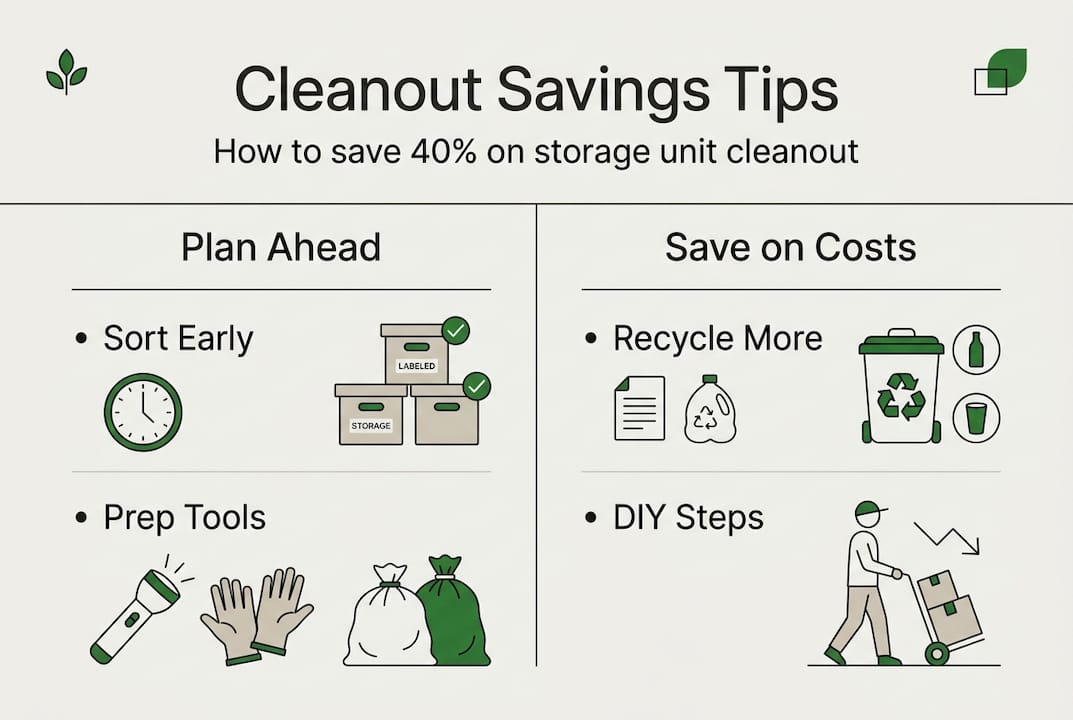
Proper preparation makes the difference between a chaotic, time-consuming cleanout and an efficient, organized process. Start by gathering essential tools and supplies: heavy-duty trash bags, boxes for sorting, gloves, masks, cleaning supplies, a dolly or hand truck, and a camera or smartphone for documentation. You’ll also need access to a truck or dumpster for hauling items away.
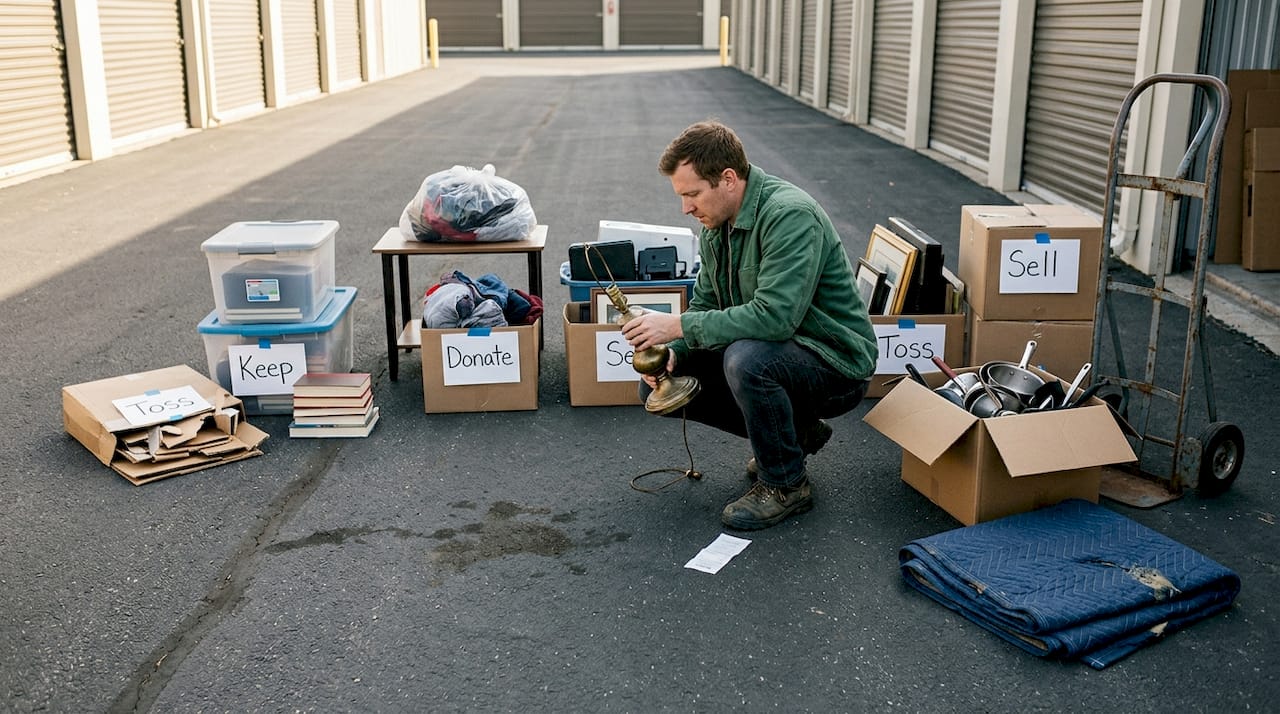
Create a sorting system using the proven 4-box method: keep, donate, sell, and toss. Label four designated areas or containers clearly so you can make quick decisions as you work through the unit’s contents. This standard cleanout approach prevents the common mistake of handling the same item multiple times, which wastes energy and extends your timeline unnecessarily.
Set up a clean workspace outside the unit where you can sort items safely. This staging area allows you to inspect belongings without blocking the unit entrance and gives you room to organize piles efficiently. Choose a spot with good lighting and enough space to spread out, especially if you’re dealing with a large or densely packed unit.
Personal protective equipment becomes critical when dealing with units that may contain pests, mold, or hazardous materials. At minimum, wear sturdy gloves and a dust mask. If you notice signs of rodent activity, water damage, or chemical odors, upgrade to respirators and protective eyewear. Massachusetts regulations require proper handling of hazardous waste, so identify and separate any chemicals, batteries, paint, or similar items immediately for specialized disposal.
Legal and safety preparations to complete before starting:
Verify all notice periods have expired and you have legal right to enter
Review your insurance coverage for potential injuries or property damage
Arrange for proper disposal of identified hazardous materials through licensed handlers
Notify facility management of your cleanout schedule if required by your agreement
Secure any necessary permits if you’re placing a dumpster on public property
Pro Tip: Take wide-angle photos of the entire unit before touching anything, then photograph each section as you empty it. These images protect you if disputes arise about missing items and help you track your progress through large cleanouts.
Consider whether you need additional resources like a property cleanout guide Massachusetts for complex situations or coordination with junk removal and facility upkeep services for ongoing management. For homeowners looking to optimize their approach, exploring step-by-step storage solutions can provide additional organizational strategies that prevent future accumulation.
Executing the storage unit cleanout process step-by-step
Executing the cleanout requires a methodical approach that balances speed with thoroughness. Follow this proven sequence:
Conduct initial inventory without moving items. Walk through the unit and create a written or photographic record of major items and their approximate condition. This documentation establishes a baseline for your work.
Begin systematic sorting from front to back. Start at the unit entrance and work your way toward the back wall, using your 4-box system to categorize every item. This prevents you from getting trapped behind piles of unsorted belongings.
Remove trash and obvious disposal items first. Clearing out broken furniture, damaged boxes, and clear garbage creates working space and gives you a better sense of what valuable items remain.
Haul heavy items and furniture next. Once trash is removed, you have room to maneuver large pieces out of the unit. Use proper lifting techniques and equipment to avoid injury.
Sort remaining items into final categories. With the bulk removed, carefully evaluate smaller belongings, documents, and personal items for their appropriate destination.
Sweep, clean, and perform final inspection. Once empty, thoroughly clean the unit’s floors, walls, and any built-in shelving. Check for damage that needs repair before the next tenant.
Timing matters significantly in Massachusetts, especially for auctioned units. Buyers must clean out within 24-72 hours after the sale, creating intense pressure to work efficiently. Missing this deadline can result in additional fees, loss of your purchase rights, or even legal action from the facility. Plan your cleanout to finish well before the deadline, accounting for unexpected discoveries or complications.
Safety requirements intensify when dealing with certain materials. Hazardous items require special handling and cannot be disposed of through normal trash channels. Common hazardous materials found in storage units include:
Paints, solvents, and chemical cleaners
Automotive fluids like oil, antifreeze, and brake fluid
Pesticides and fertilizers
Batteries of all types
Propane tanks and compressed gas cylinders
Electronics containing mercury or lead
Contact licensed hazardous waste handlers immediately if you discover these items. Never attempt to dispose of them yourself, as Massachusetts imposes significant penalties for improper hazardous waste disposal.
Pro Tip: Create a simple spreadsheet to track items as you sort them. Record descriptions, estimated values, and final destinations. This running inventory helps if you’re selling items and provides documentation for tax purposes or legal compliance.
Maintain detailed documentation throughout the process. Beyond photos, keep written notes about unusual findings, damage to the unit, or items that require special handling. Date and time-stamp all records. This paper trail protects you if former tenants claim items were mishandled or if facility operators question your work.
“The difference between a successful cleanout and a disaster often comes down to documentation. When disputes arise, contemporaneous records and photos are your best defense.” — Massachusetts Property Management Association
Comparing DIY versus professional cleanouts reveals important tradeoffs:
Factor | DIY Cleanout | Professional Service |
Cost | Lower upfront (your labor) | Higher upfront fee |
Time Required | 8-16 hours for average unit | 2-4 hours for average unit |
Legal Compliance | Your responsibility to research | Experts handle regulations |
Disposal | You arrange all hauling | Included in service |
Liability | You assume all risk | Insured crews reduce exposure |
Heavy Lifting | Physical strain and injury risk | Professional equipment and techniques |
For property managers handling multiple units or homeowners facing tight deadlines, commercial junk removal in Massachusetts services often prove more cost-effective when you factor in your time value and risk reduction. Single, simple cleanouts may justify the DIY approach if you have the time and physical capability.
Final inspection and facility maintenance after cleanout
Once the unit is empty, a thorough final inspection ensures you’ve met all facility requirements and prepared the space for its next use. Complete these essential tasks:
Empty and clean all built-in shelving, hooks, and storage accessories
Mop or sweep floors to remove all debris and dust
Scrub walls to remove marks, adhesive residue, or stains
Inspect and test door locks, hinges, and security features
Check climate control systems if applicable to ensure proper function
Examine the unit for pest evidence and arrange treatment if needed
Verify lighting fixtures work correctly
Document the unit’s final condition with photos
Facility maintenance standards require units to be returned in clean, rentable condition. Failing this inspection can result in deductions from security deposits or additional cleaning fees. Property managers should establish consistent standards across all units to maintain facility reputation and maximize occupancy rates.
Pest control deserves special attention because infestations can spread quickly in storage facilities. If you discovered rodent droppings, insect activity, or other pest signs during cleanout, notify facility management immediately. Professional pest control treatment may be necessary before the unit can be rented again, and early intervention prevents problems from affecting neighboring units.
Security system inspection ensures the unit is ready for the next tenant. Test electronic locks, verify access codes have been reset, and confirm surveillance cameras cover the unit entrance if applicable. These checks protect both the facility and future tenants from security vulnerabilities.
Comparing DIY final cleaning versus professional maintenance reveals when each approach makes sense:
Cleaning Task | DIY Approach | Professional Service |
Basic sweeping and mopping | Quick and sufficient for light use | Unnecessary expense |
Deep cleaning after long-term storage | Time-consuming, may miss details | Thorough, guaranteed results |
Pest treatment | Limited effectiveness, ongoing risk | Licensed treatments, warranties |
Damage repair | Requires skills and tools | Expert repair, proper materials |
Multi-unit facilities | Inconsistent standards | Uniform quality across units |
Proper maintenance directly affects deposit refunds for individual renters and tenant satisfaction for property managers. Units returned in excellent condition typically receive full deposit refunds and positive reviews, while those requiring extensive cleaning or repairs generate disputes and negative feedback.
Sustainability best practices for disposal and recycling help you meet Massachusetts environmental standards while reducing landfill waste. Prioritize these eco-friendly approaches:
Donate usable furniture, clothing, and household items to local charities
Recycle metals, electronics, and paper products through certified facilities
Properly dispose of hazardous materials through designated collection programs
Salvage valuable materials like wood, metal, or antiques for resale or repurposing
Compost organic materials when appropriate
Massachusetts has robust recycling infrastructure and strict waste disposal regulations. Taking advantage of eco-friendly junk removal solutions ensures compliance while supporting environmental goals. Many professional services include sorting and responsible disposal as part of their standard offering, removing the burden of researching proper disposal methods for different material types.
Streamline your storage unit cleanout with professional help
Managing storage unit cleanouts yourself can be exhausting, especially when you’re juggling multiple properties or facing strict deadlines. Professional junk removal services bring expertise in Massachusetts regulations, ensuring your cleanout complies with all legal requirements while protecting you from potential disputes. These teams handle everything from sorting and hauling to eco-responsible disposal, saving you countless hours of physical labor and research.
Expert services prove particularly valuable when dealing with hazardous materials, pest-infested units, or tight auction deadlines. Licensed crews have the training and equipment to handle challenging situations safely, reducing your liability and stress. For property managers overseeing multiple facilities, professional cleanouts maintain consistent quality standards across all units while freeing your time for higher-value management tasks. Homeowners benefit from the speed and efficiency that comes with experienced teams who complete in hours what might take you an entire weekend.
Whether you need junk removal services Reading MA for a single unit or junk removal services Essex County coverage for multiple locations, professional teams offer transparent pricing and flexible scheduling. They also specialize in construction debris removal services if your cleanout uncovers renovation materials or structural waste requiring specialized handling.
Frequently asked questions
What if the storage unit contains hazardous materials?
Do not handle hazardous waste yourself under any circumstances. Hazardous materials require special handling and are not accepted by standard junk removal services. Contact licensed hazardous waste handlers immediately upon discovery. Identify and separate such items early during your cleanout for everyone’s safety. Massachusetts imposes strict penalties for improper disposal, so professional handling protects you legally and environmentally.
How long do I have to clean out an auctioned storage unit in Massachusetts?
Buyers must complete cleanout within 24-72 hours after the auction sale, depending on facility policies. This tight deadline requires immediate action and careful planning. Prepare your sorting system, hauling resources, and disposal arrangements before the auction to avoid scrambling afterward. Missing this deadline can result in forfeiture of your purchase, additional fees, or legal action from the facility operator.
What documentation should I keep during a storage unit cleanout?
Maintain comprehensive records including dated photos of the unit before, during, and after cleanout, plus itemized lists of all contents and their final destinations. Document all communications and inventories for potential disputes or legal compliance. Save copies of all notices sent to tenants, facility correspondence, and receipts for disposal or donation. These records prove invaluable if former tenants claim items were mishandled or if you need to demonstrate regulatory compliance.
Can I DIY a storage unit cleanout or should I hire professionals?
DIY suits small, straightforward units when you have time, physical capability, and knowledge of Massachusetts regulations. DIY saves money but risks injury and extended timelines, while professionals offer compliance expertise, speed, and eco-friendly disposal. Hiring experts becomes beneficial for multiple units, hazardous waste situations, tight deadlines, or when your time is better spent on other responsibilities. Calculate your time value and risk tolerance before deciding which approach fits your situation.
Recommended
Comments