Efficient construction debris removal guide for MA homeowners
- Joe Lusso
- Mar 21
- 8 min read

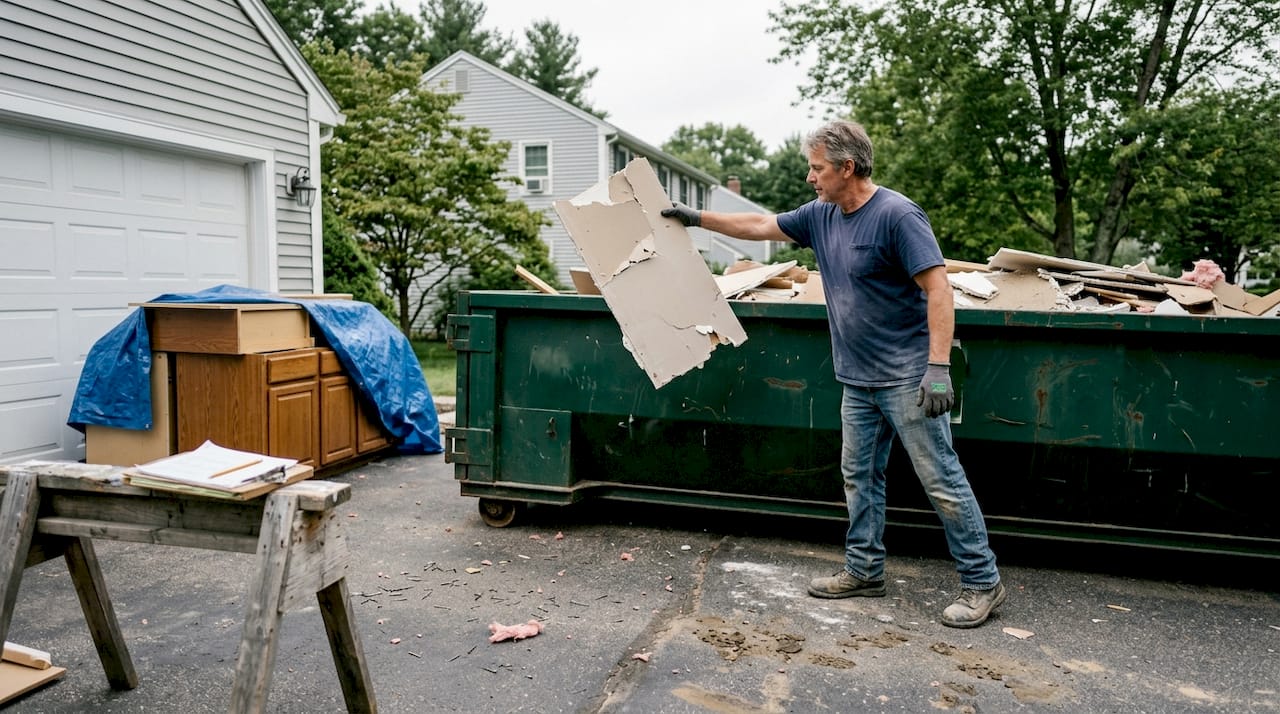
Managing construction debris in Massachusetts is tougher than most homeowners and contractors realize. The state generates over 8 million tons of construction and demolition waste annually, yet strict regulations require recycling specific materials rather than simple landfill disposal. This guide clarifies what construction debris removal truly involves, explains Massachusetts regulations, and reveals eco-friendly strategies that reduce costs while ensuring compliance. Whether you’re renovating a kitchen or managing a full demolition project, understanding these processes protects you from fines and maximizes your budget.
Table of Contents
Key Takeaways
Point | Details |
Scope of debris removal | Includes collecting, segregating, recycling, transporting, and disposing construction debris. |
On site segregation benefits | Separating wood, metal, and concrete on site lowers processing costs and maximizes recycling potential. |
Massachusetts regulatory framework | MassDEP requires hauler and disposal facility permits and enforces waste bans on many materials. |
Hazardous materials handling | Asbestos, lead paint, and chemicals require certified removal and separate handling. |
Eco friendly strategies | Deconstruction and other green methods can cut costs while reducing landfill waste. |
Understanding construction debris removal: what it includes and excludes
Construction debris removal involves more than hauling away broken materials. The process includes collecting waste from building sites, segregating materials by type, transporting them to appropriate facilities, recycling eligible items, and disposing of non-recyclables according to state rules. This systematic approach ensures materials reach their proper destination, whether that’s a recycling center, donation facility, or permitted landfill.
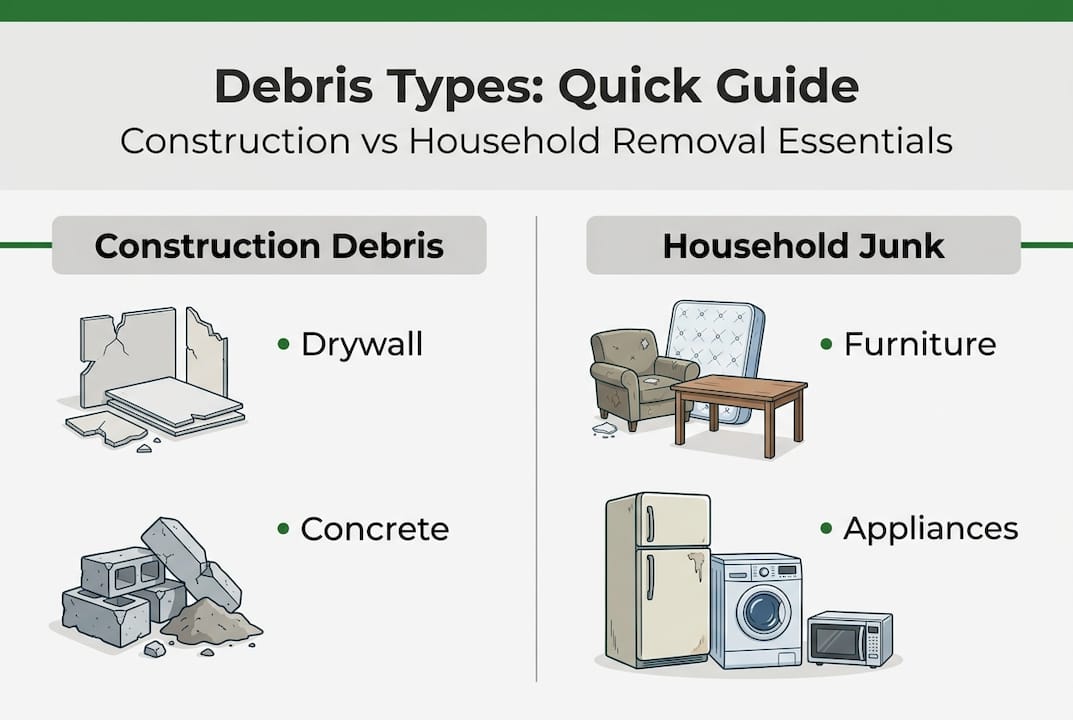
Common materials in construction and demolition debris include concrete, asphalt, brick, wood framing and trim, drywall, metal components, roofing materials, doors, windows, and fixtures. These items make up the bulk of renovation and demolition projects. However, construction debris excludes hazardous materials like asbestos, lead paint, chemicals, and liquids, which require specialized handling through certified contractors.
Proper segregation matters because Massachusetts regulations demand it and mixed loads cost more to process. When you separate wood from metal from concrete on-site, haulers can direct each material to the most cost-effective destination. A load of pure concrete goes to a crushing facility at lower rates than mixed debris heading to a sorting center. This separation also maximizes recycling potential, keeping valuable materials in circulation rather than buried in landfills.
Typical project sources generate different debris profiles. Renovation projects produce drywall, flooring, cabinets, and fixtures. Demolition creates concrete, masonry, structural lumber, and roofing materials. Repair work generates smaller volumes but similar material types. Understanding your project’s debris profile helps you plan removal logistics and choose appropriate services.
Construction debris differs fundamentally from household junk or hazardous waste. Household items like furniture and appliances follow different disposal rules. Hazardous materials demand certified removal specialists with specific permits and training. Mixing these categories creates compliance problems and safety risks, so keeping them separate from the start saves headaches later.
Massachusetts regulations and environmental standards for debris removal
Massachusetts Department of Environmental Protection governs construction debris through 310 CMR 19.000, establishing comprehensive rules for generation, transportation, and disposal. These regulations aim to reduce landfill burden, promote recycling, and protect environmental quality. The code requires permits for haulers and disposal facilities while setting strict standards for material handling and documentation.
The state enforces waste bans on 23 specific materials including concrete, brick, asphalt pavement, wood, metals, and cardboard. These items cannot legally enter landfills and must be recycled or diverted to approved facilities. The bans apply regardless of project size, affecting homeowners and large contractors equally. Violating waste bans triggers fines and potential project shutdowns, making compliance non-negotiable.
Permit requirements apply to anyone transporting construction debris for hire. Haulers must obtain registration from MassDEP and maintain documentation proving proper disposal. Facilities receiving debris need operating permits specifying accepted materials and processing methods. These requirements create accountability throughout the disposal chain, ensuring materials reach legal destinations.
Massachusetts landfill tipping fees rank among the nation’s highest, averaging $85-$120 per ton depending on facility and material type. This cost structure incentivizes recycling and diversion since processing fees at specialized facilities often run lower. A ton of separated concrete might cost $40 at a crushing facility versus $100 as mixed debris at a landfill. These price differences add up quickly on larger projects, making smart material management financially rewarding.
Material | Landfill status | Required handling |
Concrete, brick, stone | Banned | Crushing facility or recycling |
Asphalt pavement | Banned | Recycling for new paving |
Wood and lumber | Banned | Recycling, mulching, or biomass |
Metals (ferrous and non-ferrous) | Banned | Scrap recycling facilities |
Drywall | Banned | Recycling or composting |
Cardboard and paper | Banned | Paper recycling |
Mixed construction debris | Allowed with restrictions | Sorting facility then appropriate channels |
Eco-friendly and cost-saving strategies for construction debris removal
Deconstruction offers a sustainable alternative to traditional demolition by carefully dismantling structures to preserve materials for reuse. While demolition uses heavy equipment to quickly tear down buildings, deconstruction employs manual labor to salvage doors, windows, fixtures, lumber, and architectural elements. This method takes longer but diverts 70-80% of waste from landfills while creating opportunities to sell or donate valuable materials.

Source reduction prevents waste before it occurs through careful planning and efficient practices. Ordering exact material quantities eliminates surplus that becomes debris. Using modular or prefabricated components reduces on-site cutting and waste generation. Accurate ordering and modular design outperform recycling in waste minimization because preventing waste costs nothing while processing waste always incurs expenses. Design decisions made early cascade through the entire project, so thinking ahead pays dividends.
Reuse and donation extend material life while supporting community organizations. Habitat for Humanity ReStores accept cabinets, fixtures, doors, and building materials in good condition. Architectural salvage companies buy vintage elements like mantels, hardware, and lighting. Even damaged wood can become garden borders or craft materials. These options reduce disposal costs while generating tax deductions for donated items.
Recycling diverts banned materials to processing facilities where they become new products. Concrete gets crushed into aggregate for roads and new concrete. Metals go to scrap processors who melt them for manufacturing. Wood becomes mulch, animal bedding, or biomass fuel. Drywall can be recycled into new wallboard or used as soil amendment. Each recycled material avoids landfill fees while supporting circular economy principles.
Pro Tip: Plan waste diversion strategies during project design to maximize savings and qualify for green building certifications like LEED. Early planning allows you to specify recyclable materials, arrange salvage partnerships, and schedule specialized haulers, while documentation of diversion rates supports tax credits and rebate applications.
Removal method | Benefits | Challenges | Best for |
Full-service junk removal | Fast, convenient, no equipment needed | Higher per-ton cost, less control | Small to medium projects, tight timelines |
Dumpster rental | Cost-effective for large volumes, flexible timing | Requires space, permit may be needed, you handle loading | Large renovations, extended projects |
Deconstruction services | Maximum material recovery, tax deductions, eco-friendly | Slower process, requires skilled labor | Historic buildings, high-value materials |
Self-haul to facilities | Lowest cost if you have vehicle | Time-consuming, requires facility knowledge | Very small projects, DIY enthusiasts |
Best practices for Massachusetts homeowners and contractors
Developing a waste management plan before starting work sets your project up for compliance and cost control. Start by estimating debris volume based on project scope. A kitchen renovation generates 1-3 tons while whole-house demolition produces 50-150 tons. Identify materials you’ll generate and research their disposal requirements. Determine whether you need dumpsters, junk removal services, or specialized haulers for specific materials. Schedule removal to avoid site congestion and maintain workflow.
On-site segregation maximizes recycling and minimizes costs by keeping material streams separate. Designate specific areas or containers for wood, metal, concrete, drywall, and trash. Label containers clearly so workers know where each material belongs. Train crews on segregation importance since proper sorting at the source prevents contamination that makes entire loads non-recyclable. A few minutes of education saves hours of re-sorting and hundreds in extra fees.
Hiring licensed haulers protects you legally and operationally. Verify haulers hold current MassDEP registration by checking their credentials and asking for documentation. Licensed professionals understand waste bans, know which facilities accept specific materials, and maintain required insurance. They handle manifests and disposal receipts that prove compliance if questions arise later. Unlicensed haulers offer lower prices but create liability if they dump illegally or lack proper insurance.
Choosing between dumpster rental and junk removal services depends on project characteristics. Dumpsters work well for extended projects where you’ll accumulate debris gradually and have space for container placement. Junk removal suits projects needing immediate cleanup, tight sites without dumpster space, or situations where you want professionals to handle loading. Consider access, timeline, debris volume, and labor availability when deciding.
Pro Tip: Track your waste diversion percentage by weighing or estimating materials sent to recycling versus landfill. Documentation supports green building certification applications, qualifies projects for municipal rebates in some Massachusetts towns, and may provide tax benefits for commercial projects demonstrating environmental responsibility.
Implementing these practices requires coordination but delivers measurable returns. Projects with strong waste management plans report 15-30% lower disposal costs compared to those handling debris reactively. The upfront investment in planning, containers, and licensed services pays back through avoided fees, faster project completion, and regulatory peace of mind.
Discover hassle-free construction debris removal services in Massachusetts
Navigating Massachusetts construction debris regulations while managing your project timeline creates real challenges. Junk Dispatch specializes in compliant, efficient construction debris removal for homeowners and contractors throughout the state. Our licensed, insured crews understand state waste bans, segregation requirements, and proper disposal channels, ensuring your project stays on schedule without compliance worries.

We handle everything from small renovation cleanouts to full demolition projects, offering flexible scheduling including same-day service when you need rapid turnaround. Our eco-friendly approach maximizes recycling and diversion while our transparent pricing eliminates surprise fees. Whether you’re in Reading, anywhere in Essex County, or need specialized demolition debris removal, our team brings expertise that saves you time and money. Get a free estimate today and experience professional debris removal that makes your project easier.
Frequently asked questions
What materials are typically considered construction debris?
Construction debris includes concrete, brick, asphalt, wood framing and trim, drywall, roofing materials, metals, doors, windows, fixtures, flooring, and siding generated from building, renovation, or demolition projects. It excludes hazardous materials like asbestos, lead paint, chemicals, and contaminated soils which require specialized handling.
How does Massachusetts regulate construction debris disposal?
Massachusetts enforces waste bans on 23 materials including concrete, wood, metals, and drywall, prohibiting landfill disposal and requiring recycling or approved diversion. The state mandates permits for haulers and facilities, imposes documentation requirements, and charges high landfill tipping fees averaging $85-$120 per ton to incentivize proper material management.
What are eco-friendly alternatives to traditional debris removal?
Deconstruction carefully dismantles structures to salvage reusable materials, diverting 70-80% of waste while creating donation and resale opportunities. Source reduction through accurate material ordering and modular design prevents waste generation. On-site segregation enables efficient recycling of concrete, metals, wood, and drywall at specialized facilities with lower processing costs than mixed landfill loads.
Should homeowners hire licensed haulers or use dumpster rental?
Licensed haulers provide full-service removal ideal for projects needing immediate cleanup, tight sites, or professional loading, ensuring compliance through proper permits and documentation. Dumpster rental suits extended projects with space for containers where you’ll load debris gradually. Consider your timeline, site access, labor availability, and debris volume when choosing.
How can contractors reduce costs while staying compliant?
Develop waste management plans estimating debris volume and identifying disposal requirements before starting work. Implement on-site segregation to separate recyclables from trash, reducing tipping fees since pure material streams cost less to process. Hire licensed haulers who understand regulations and optimize disposal routes. Track diversion rates to qualify for rebates and green building incentives that offset removal expenses.
Recommended
Comments