What is storage unit cleanout? A 2026 Massachusetts guide
- Joe Lusso
- Mar 19
- 9 min read

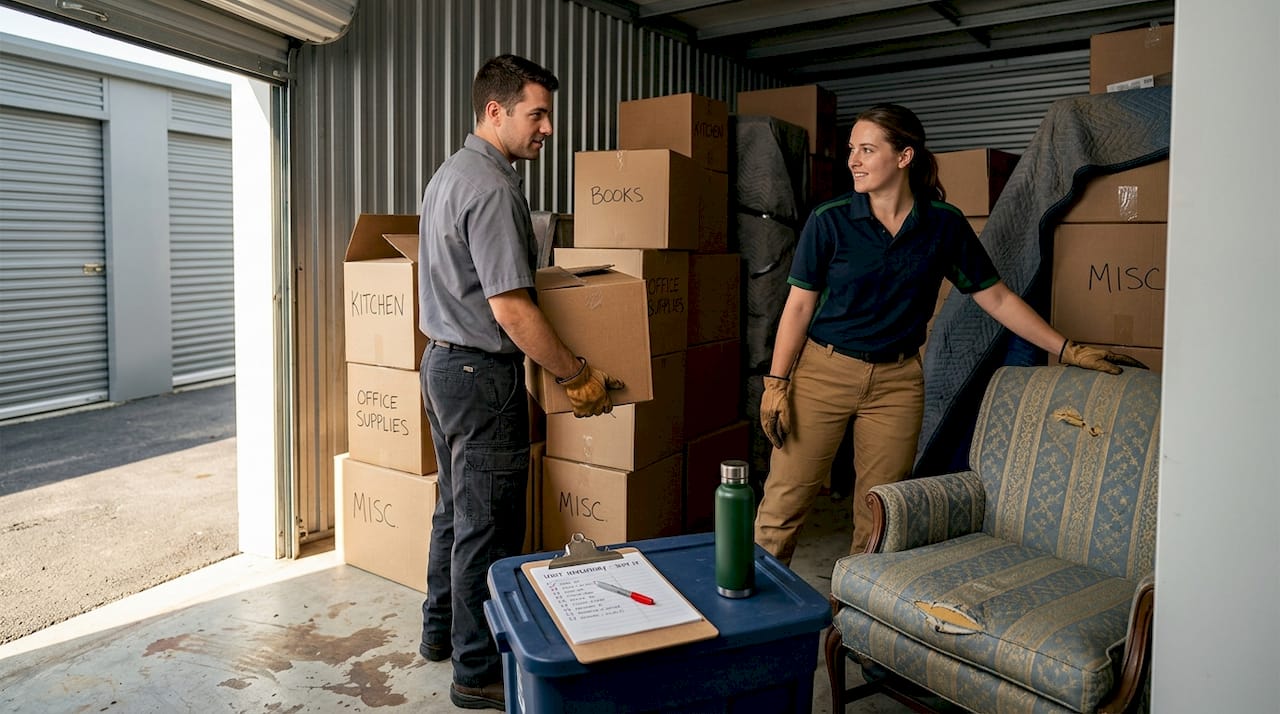
Many people assume storage unit cleanouts are just about hauling away trash, but that’s only scratching the surface. A proper cleanout involves careful sorting, responsible disposal, and strategic organization of what remains. For Massachusetts homeowners and property managers, understanding this process is crucial for maximizing space utility, maintaining property value, and ensuring compliance with local disposal regulations. This guide breaks down everything you need to know about storage unit cleanouts in 2026, from preparation to execution.
Table of Contents
Key takeaways
Point | Details |
Comprehensive process | Storage unit cleanouts involve assessment, sorting, disposal, and organizing remaining items beyond simple junk removal. |
Professional efficiency | Expert services provide structured cleanouts with eco-friendly disposal practices tailored to Massachusetts regulations. |
Value enhancement | Proper cleanouts improve space functionality, safety standards, and property appeal for owners and managers. |
Strategic planning | Advance preparation and service selection reduce stress, save time, and minimize unexpected costs during cleanouts. |
What is a storage unit cleanout? An in-depth explanation
A storage unit cleanout is a thorough process of emptying and sorting storage unit contents that goes far beyond basic junk removal. This systematic approach addresses the unique challenges of confined spaces filled with accumulated belongings, often collected over months or years.
The process typically unfolds in several distinct phases. First comes assessment, where you evaluate the unit’s contents and identify categories: items to keep, donate, recycle, or dispose. Next is the actual sorting phase, which requires physical labor and decision making about each item’s fate. The removal stage involves hauling away unwanted materials, followed by final cleanup to leave the space ready for its next use.
Benefits extend beyond simply clearing space. A proper cleanout improves safety by removing potential hazards like unstable stacks or expired materials. It frees up valuable square footage for new storage needs or prepares units for rental turnover. For property managers, clean units attract better tenants and command higher rental rates.
Homeowners often need cleanouts when downsizing, managing estate belongings, or reclaiming space for growing families. Property managers require them between tenant cycles or when abandoned units need clearing. Either way, the goal is efficient transformation of cluttered space into usable area.
Massachusetts regulations add another layer to consider. Proper disposal must align with state recycling requirements and banned landfill items. Hazardous materials need special handling. Choosing a service familiar with these rules ensures compliance and avoids potential fines.
Key steps in a storage unit cleanout:
Initial walkthrough to assess volume and item types
Categorization into keep, donate, recycle, and trash groups
Physical removal of unwanted items using appropriate equipment
Responsible disposal through licensed facilities
Final sweep and cleaning of the empty space
Pro Tip: Take photos before starting your cleanout. This documentation helps with insurance claims, estate management, or simply tracking your progress throughout the project.
Comparing storage unit cleanouts to traditional junk removal services
Understanding the distinction between specialized storage unit cleanouts and general junk removal helps you choose the right service for your specific situation. While both handle unwanted items, their approaches and outcomes differ significantly.
Storage unit cleanouts emphasize detailed sorting and organization. Professionals assess each item, helping you make informed decisions about keeping, donating, or disposing. This methodical approach suits situations where you need to preserve valuables, separate recyclables, or prepare a unit for new occupants. The process takes longer but delivers more comprehensive results.
Traditional junk removal focuses on speed and volume. Teams arrive, load everything into trucks, and haul it away quickly. This works perfectly when you’ve already decided what goes and just need muscle to remove it. Less sorting means faster completion but potentially less careful handling of individual items.
For homeowners managing storage challenges, the choice depends on your end goal. Preparing a unit for rental requires thorough cleanout with attention to detail. Quick decluttering before a move might only need basic junk removal. Property managers typically prefer cleanouts for tenant turnover to ensure nothing valuable gets accidentally discarded.
Feature | Storage Unit Cleanout | Traditional Junk Removal |
Sorting detail | Comprehensive item-by-item assessment | Bulk removal with minimal sorting |
Time required | Longer due to careful evaluation | Faster, often same-day completion |
Best for | Unit turnover, estate management, organizing | Quick decluttering, bulk trash disposal |
Cost structure | Higher due to labor intensity | Lower for straightforward hauls |
Recycling focus | Strong emphasis on eco-friendly disposal | Varies by provider |
Cost considerations also differ. Cleanouts typically cost more per hour because they require skilled sorting and decision making. However, they often save money long term by recovering valuable items and maximizing donation tax deductions. Junk removal charges by volume or truckload, making it economical for straightforward disposal jobs.
When to choose each service:
Choose cleanout for estate clearing, tenant transitions, or when uncertain about item value
Choose junk removal for pre-sorted loads, renovation debris, or time-sensitive projects
Consider hybrid approaches where you sort first, then hire junk removal for hauling
Pro Tip: Many companies offer both services. Describe your specific situation to get recommendations tailored to your actual needs rather than assuming one approach fits all.
How to prepare for a storage unit cleanout: tips and practical steps
Proper preparation enhances cleanout efficiency and prevents common pitfalls that lead to delays or unexpected expenses. Taking time upfront to organize and plan pays dividends when the actual work begins.
Start by conducting a thorough inventory. Walk through your unit with a notepad or phone, documenting what’s inside by category: furniture, boxes, appliances, miscellaneous items. This gives you a realistic picture of the job’s scope and helps you communicate clearly with service providers. Estimate the volume in cubic feet or truck loads if possible.

Next, separate items by intended destination. Create mental or physical zones for keeps, donations, recyclables, and trash. If you have time before the scheduled cleanout, remove obviously valuable items yourself. This reduces the risk of accidental disposal and may lower your service costs.
Scheduling matters more than many realize. Book your cleanout at least two weeks in advance, especially during busy seasons like spring and early summer. Provide the service company with accurate access information: gate codes, unit numbers, parking restrictions, and elevator availability for multi-story facilities. Clear communication prevents day-of delays.
Massachusetts disposal regulations require special attention to certain items. Hazardous materials like paint, chemicals, batteries, and electronics need separate handling. Disclose these upfront so your service provider can arrange proper disposal channels. Hiding or forgetting about restricted items can result in refused service or additional fees.
Step-by-step preparation checklist:
Conduct initial inventory and estimate total volume
Identify and remove high-value items you want to keep
Separate hazardous materials and restricted items
Gather necessary access information and permissions
Schedule service with adequate lead time
Confirm disposal preferences for donations and recycling
Arrange payment method and understand pricing structure
Communicate your expectations clearly. Tell your service provider whether you want items sorted for donation, if you need help making decisions about borderline items, or if you simply want everything removed. Different levels of involvement require different service approaches and pricing.
Pro Tip: Label boxes or sections with colored tape before the cleanout team arrives. Use red for trash, green for donations, blue for recycling. This visual system speeds up the process dramatically and reduces confusion about your intentions.
Sustainability considerations during storage unit cleanouts in Massachusetts
Environmental responsibility during cleanouts isn’t just good ethics; it’s increasingly required by Massachusetts recycling and disposal laws. Understanding these requirements helps you choose services that align with both legal obligations and personal values.
The state bans numerous items from landfills, including electronics, mattresses, and certain appliances. These must go to specialized recycling facilities. Ignoring these rules can result in fines for both property owners and disposal services. Reputable cleanout companies know these regulations and route materials appropriately.
Separating recyclables makes a substantial difference. Paper, cardboard, metals, and certain plastics can be diverted from landfills, reducing environmental impact and often lowering disposal costs. Many recycling centers accept these materials for free or minimal fees compared to landfill tipping charges.
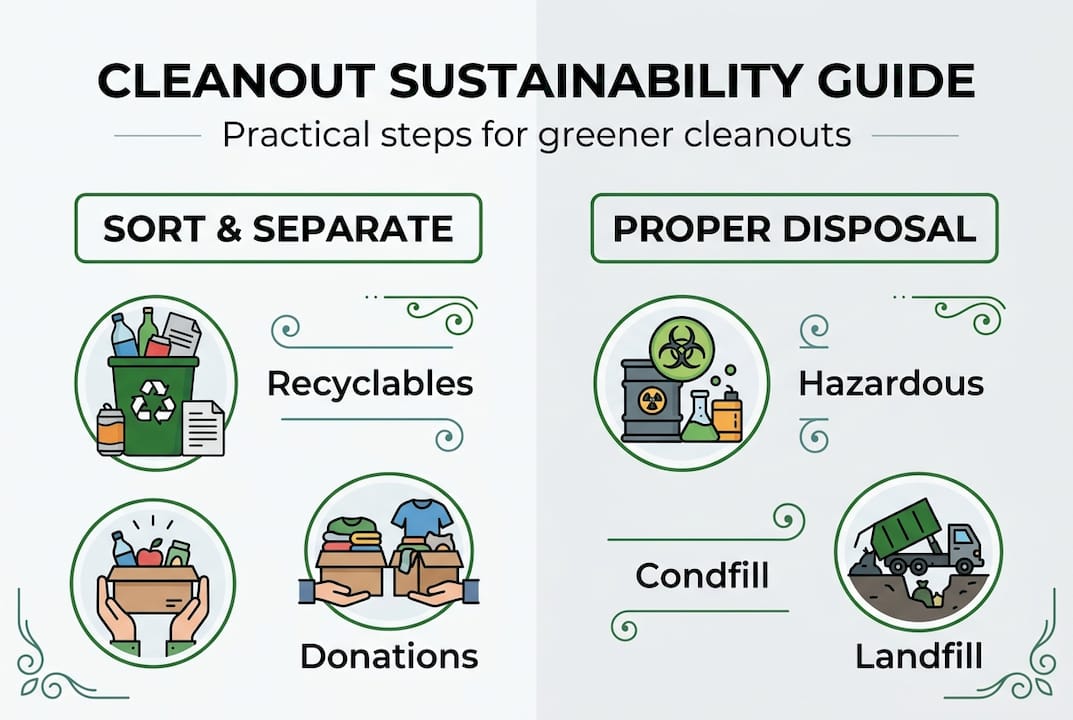
Donation represents another sustainable option with added benefits. Usable furniture, clothing, and household goods can go to local charities, providing tax deductions while helping community members in need. Some cleanout services partner with donation centers, handling the logistics for you.
Hazardous waste requires the most careful handling. Paint, chemicals, batteries, fluorescent bulbs, and similar materials need special disposal through designated facilities. Massachusetts offers periodic hazardous waste collection days, or you can use year-round drop-off locations. Never mix these with regular trash.
Disposal Method | Materials Accepted | Environmental Impact | Typical Cost | Processing Time |
Recycling centers | Paper, cardboard, metals, certain plastics | Low impact, resources reused | Free to minimal | Same day |
Donation facilities | Furniture, clothing, working appliances | Very low impact, extends item life | Free, potential tax deduction | 1-3 days |
Landfill disposal | Non-recyclable trash only | High impact, permanent waste | Moderate to high tipping fees | Same day |
Hazardous waste sites | Chemicals, paint, batteries, electronics | Managed impact, specialized treatment | Varies, sometimes free | Scheduled dates |
Choosing eco-friendly cleanout services benefits everyone. These companies prioritize recycling and donation, often achieving 60-80% waste diversion rates. They maintain relationships with local facilities, ensuring materials reach appropriate destinations. While potentially costing slightly more upfront, the environmental and community benefits justify the investment.
Sustainable cleanout practices:
Sort items by material type before disposal
Research local donation centers that accept your specific items
Use hazardous waste collection events for problematic materials
Choose service providers with documented recycling commitments
Ask about waste diversion rates when comparing companies
Pro Tip: Take photos of donated items and get receipts. This documentation supports tax deductions and proves your commitment to sustainable disposal practices.
Discover professional storage unit cleanout services in Massachusetts
When you’re ready to tackle that overwhelming storage unit, professional help makes all the difference. Junk Dispatch specializes in efficient, responsible cleanouts throughout Massachusetts, serving both homeowners drowning in accumulated belongings and property managers preparing units for new tenants.
Our team understands the unique challenges of storage unit work. We navigate tight spaces, handle heavy lifting, and make the sorting process painless. Whether you need a complete cleanout in Reading or services across Essex County, we bring the equipment and expertise to get it done right. We also handle construction debris removal if your cleanout uncovers renovation materials.
What sets us apart is our commitment to eco-friendly disposal. We don’t just haul everything to the nearest landfill. Our team carefully separates recyclables, routes donations to local charities, and ensures hazardous materials reach proper facilities. This approach aligns with Massachusetts regulations while supporting community sustainability goals.
Contact us for a free estimate and discover how professional cleanout services save time, reduce stress, and deliver results you can feel good about.
Frequently asked questions about storage unit cleanouts
What exactly does a storage unit cleanout include?
A storage unit cleanout includes assessment of all contents, sorting items by category, removal of unwanted materials, and final cleaning of the empty space. Professional services handle the physical labor, provide appropriate disposal for different item types, and ensure compliance with local regulations. Some providers also offer organizing services for items you choose to keep.
How long does a typical storage unit cleanout take?
Most standard 10x10 storage units take 2-4 hours to clean out completely, depending on how full they are and how much sorting is required. Larger units or those packed floor to ceiling may need 6-8 hours or multiple visits. Pre-sorting items yourself can significantly reduce the time professionals need on site.
What’s the average cost for storage unit cleanout in Massachusetts?
Costs typically range from $200 to $800 for residential storage units, varying by size, contents, and disposal requirements. Factors affecting price include unit dimensions, item weight, hazardous material presence, and distance to disposal facilities. Getting quotes from multiple providers helps you understand fair market rates for your specific situation.
How do I choose a reliable cleanout service?
Look for licensed and insured companies with verifiable customer reviews and transparent pricing. Ask about their disposal practices, recycling commitments, and experience with Massachusetts regulations. Request detailed estimates that break down labor, disposal fees, and any additional charges. Companies offering free on-site assessments typically provide more accurate quotes.
Can cleanout services help with moving-related storage units?
Absolutely. Many people use storage during moves, and junk removal services assist with moving transitions by clearing unwanted items before or after relocation. This streamlines the moving process and prevents you from paying to transport things you’ll ultimately discard. Coordinating cleanout timing with your move date maximizes efficiency.
Do you offer same-day cleanout services?
Many providers, including Junk Dispatch, offer same-day junk hauling options for urgent situations like sudden tenant departures or time-sensitive property sales. Availability depends on current scheduling and your location, so calling early in the day increases your chances of same-day service. Emergency cleanouts may carry premium pricing but deliver the speed you need.
Recommended
Comments