What is appliance recycling? A Massachusetts guide
- Joe Lusso
- May 17
- 8 min read

TL;DR:
Appliance recycling is a regulated process involving refrigerant recovery, hazardous material removal, and material separation to prevent environmental harm. Many programs in Massachusetts offer rebates and guidelines for responsible disposal, but proper handling of refrigerants and documentation are essential for compliance. Choosing certified services ensures hazardous materials are managed correctly, protecting the environment and reducing legal risks.
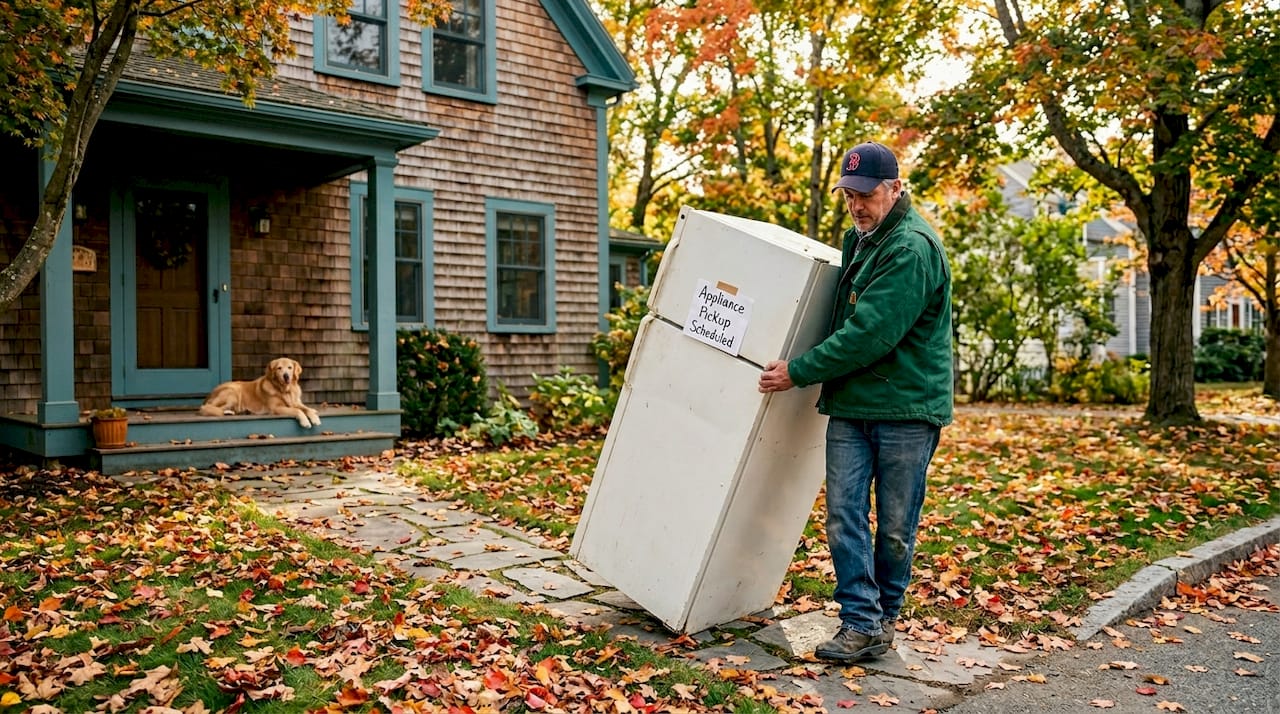
Most homeowners assume getting rid of an old refrigerator or washing machine is as straightforward as dragging it to the curb. It isn’t. What is appliance recycling, really? It’s a regulated, multi-step process that involves safely removing hazardous materials, recovering reusable metals, and following both federal and state rules, none of which happen when a hauler just tosses your fridge into a landfill. In Massachusetts, this process is backed by utility programs, municipal guidelines, and EPA regulations that make compliant disposal both accessible and, honestly, more rewarding than most homeowners realize.
Table of Contents
Understanding appliance recycling: what it means and why it matters
How Massachusetts homeowners can recycle appliances responsibly
Common challenges and expert tips for safe, compliant appliance recycling
Comparing appliance disposal options: recycling vs. junk removal vs. donation
Why many “recycling” claims overlook critical eco-friendly nuances in appliance disposal
Get hassle-free appliance removal and recycling with Junk Dispatch in Massachusetts
Understanding appliance recycling: what it means and why it matters
Appliance recycling is not simply collecting old machines and melting them down. The full process involves refrigerant recovery, removal of hazardous components, shredding, and material separation, each step designed to prevent toxic substances from entering the environment.
Here’s what actually happens when an appliance enters a certified recycling facility:
Refrigerant recovery: Technicians extract chlorofluorocarbons (CFCs) and hydrofluorocarbons (HFCs) from refrigerators, freezers, and air conditioners using specialized equipment. These gases are potent greenhouse contributors if released.
Hazardous component removal: Parts containing mercury switches, polychlorinated biphenyls (PCBs), and capacitors are pulled before shredding. Each of these materials requires separate, controlled disposal.
Shredding and separation: The remaining shell is shredded and sorted. Steel and aluminum are recovered at high rates, often exceeding 75% by weight.
Foam and plastic handling: This is where the process gets complicated. Insulating foam in older refrigerators can contain ozone-depleting blowing agents. Plastics are frequently difficult to sort profitably, so a portion still ends up in landfills, a gap the industry is still working to close.
The EPA’s Responsible Appliance Disposal (RAD) Program was created specifically to address these gaps. Utilities and municipalities that participate commit to going beyond minimum legal requirements, ensuring refrigerant destruction rather than just recovery.
Understanding this process also changes how you evaluate a recycling service. If a hauler can’t tell you how they handle refrigerants or where shredded material goes, they probably aren’t doing it right. For a deeper look at what compliant handling looks like, this eco-friendly appliance disposal guide walks through what to expect from a certified service.
How Massachusetts homeowners can recycle appliances responsibly
Understanding the general process helps, but what matters most to you is what’s available in your zip code. Massachusetts has a genuinely strong infrastructure for appliance recycling, starting with utility-run programs that most homeowners never take advantage of.
Utility rebate programs
National Grid is one of the clearest examples. They offer a $75 rebate plus free pickup for refrigerators and freezers in Massachusetts, with additional incentives for dehumidifiers. You don’t pay for hauling, and you pocket cash on top of it. But the rebate is conditional on preparation.
How to prepare your appliance for pickup
Follow these steps to avoid rejection:
Empty the appliance completely. No food, no ice, no liquids.
Remove the doors if your municipality or program requires it, which Boston and several other cities do.
Make sure the appliance is accessible, not buried behind other items in your garage.
Confirm your appliance qualifies. Most programs accept refrigerators, freezers, and window air conditioners, but not all models or sizes.
Schedule the pickup in advance. Slots fill up, especially in spring and fall when people are doing home cleanouts.
Boston-specific rules
Boston runs a special collection program for large appliances, but it comes with firm requirements. The city requires an appointment, door removal on refrigerators and freezers, and prohibits any food inside. Skipping these steps means your appliance stays on the curb and you’re back to square one.
Pro Tip: If you own a multi-unit property, schedule appliance pickups at the end of a lease cycle when multiple units may need cleanouts simultaneously. Batching pickups saves coordination time and can reduce fees with private haulers.
For a broader look at your options in the state, this Massachusetts eco-friendly disposal guide covers municipal programs beyond Boston. And if you’re managing multiple properties, this resource on appliance disposal in Massachusetts addresses the logistics property managers face specifically.
Common challenges and expert tips for safe, compliant appliance recycling
Knowing the rules is step one. Avoiding the mistakes that trip up even experienced property managers is step two.
The refrigerant issue
This is the most legally significant part of appliance recycling. Refrigerant must be recovered by trained professionals using certified equipment. Venting refrigerants into the atmosphere is illegal under EPA Section 608, full stop. There’s no gray area here, and fines can be substantial.
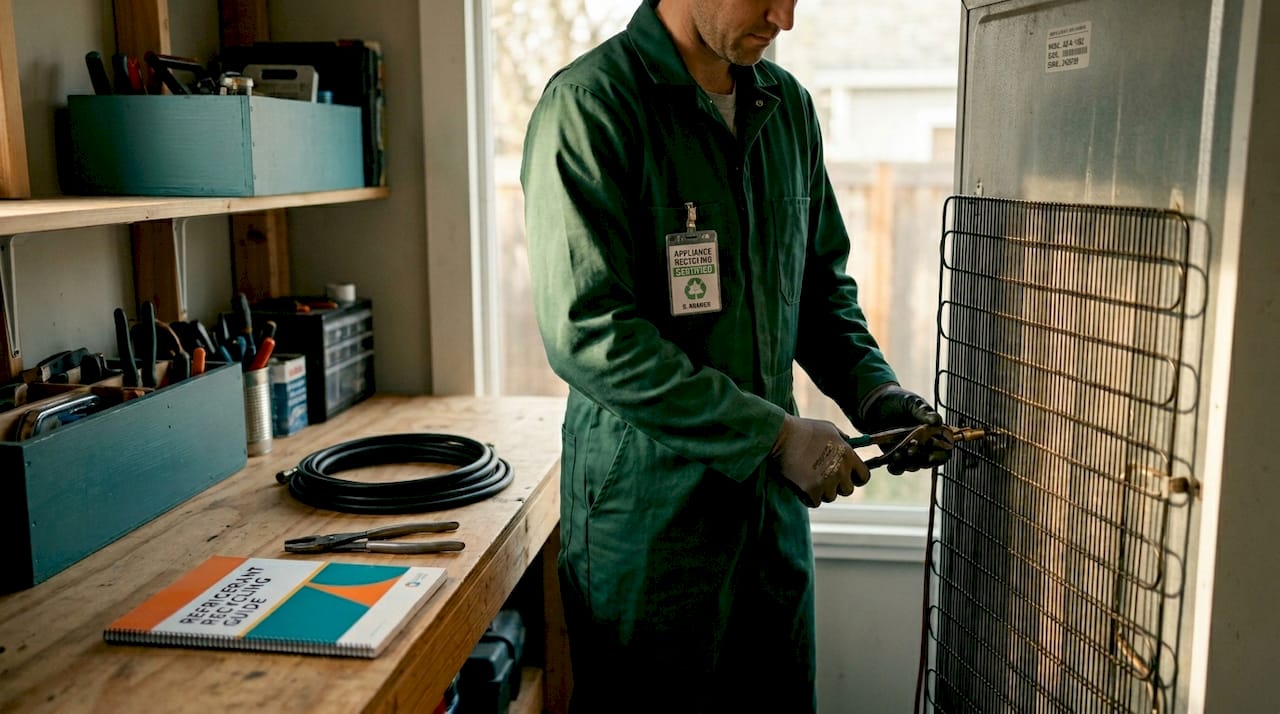
Never let an unlicensed hauler take a refrigerator or AC unit without asking directly how they handle refrigerant recovery. If they don’t have a clear, specific answer, that’s your answer.
What property managers must document
If you manage rental properties, appliance recycling carries a compliance dimension most landlords underestimate. Documentation of refrigerant recovery is important for property managers managing liability and audit risk. What you need:
Name and address of the certified refrigerant recoverer
Date of recovery
Appliance type and quantity
Confirmation that recovered refrigerant was sent to a certified reclaimer or destructor
Keep these records for at least three years. If you’re ever audited or face a tenant complaint about improper disposal, this paperwork is your protection.
Other common pitfalls
Scheduling without checking program eligibility first, leading to wasted trips
Assuming all junk removal companies comply with EPA standards (many don’t)
Waiting too long, which leaves hazardous appliances in storage where leaks can occur
Pro Tip: Ask any junk removal or recycling service for their EPA Section 608 certification before booking. Certified technicians are legally required to handle refrigerants, and any legitimate provider will have no problem sharing this information.
More on what responsible disposal actually looks like in practice, including what to watch for with private haulers, is covered in this guide on eco-friendly disposal practices.
Comparing appliance disposal options: recycling vs. junk removal vs. donation
Not every situation calls for the same solution. Here’s how your main options stack up.
Disposal method | Environmental impact | Cost to you | Hazardous material handling | Best for |
Certified recycling | Highest (materials recovered, hazardous waste managed) | Low to free (rebates available) | Required and performed | All appliances with refrigerants |
General junk removal | Variable (depends on hauler) | Moderate | Often not addressed | Non-hazardous items or fast removal |
Donation | Good (extends appliance life) | Free | Not applicable | Working appliances only |
Municipal bulk pickup | Moderate (varies by program) | Free with preparation | Required for refrigerants | Eligible items per local rules |
Retailer take-back | Moderate | Sometimes free with purchase | Varies | New appliance purchases |
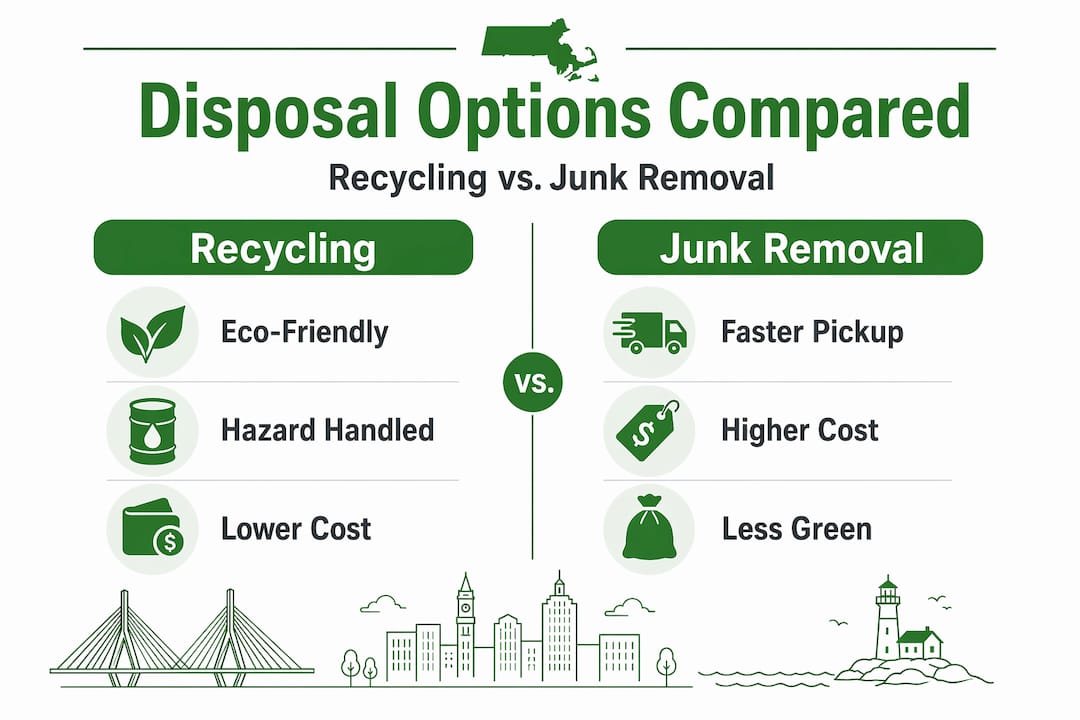
The EPA makes a clear distinction: recycling vs. landfilling matters most because of hazardous-component management, not just material recovery. A refrigerator sitting in a landfill slowly leaches refrigerants and foam chemicals into soil and air. That’s the outcome recycling is designed to prevent.
Donation is appealing, but it only works for appliances in good condition. Goodwill and most charitable organizations won’t accept large appliances that don’t function. And very few accept refrigerators at all due to the inspection and certification burden.
If you’re managing a property cleanout in Massachusetts, this breakdown of recycling household items covers which items qualify for which programs so you’re not guessing.
Practical steps to recycle your appliances in Massachusetts
Ready to move forward? Here’s a clear checklist you can follow today.
Before scheduling pickup
Confirm your appliance type qualifies for your utility’s rebate program (refrigerators and freezers are most commonly covered).
Check if your utility is National Grid, Eversource, or another provider, since each runs separate programs with different incentives.
Review your city’s special collection rules. Remember, Boston limits collections to 10 items per year and requires advance appointments.
Preparing your appliance
Empty all contents, including ice drawers and door compartments.
Remove doors if required (Boston mandates this for refrigerators and freezers).
Unplug the unit at least 24 hours ahead to allow defrosting.
Make sure the appliance is within 10 feet of your home’s entrance for pickup, as many programs won’t remove items from basements or tight spaces.
After pickup
Obtain written confirmation from the service provider, especially for refrigerant-containing appliances.
Keep that documentation on file. For property managers, this is required preparation for rebate processing and compliance records.
Submit your rebate application promptly if you used a utility program. Most programs require submission within 90 days.
For a complete walkthrough of each step, including what questions to ask your recycler, see these safe appliance disposal steps.
Why many “recycling” claims overlook critical eco-friendly nuances in appliance disposal
Here’s something worth saying plainly: the word “recycling” gets applied to appliance disposal far too loosely, and it’s causing real harm by giving homeowners false confidence.
We’ve seen firsthand how often people drop off an old refrigerator at what looks like a legitimate recycling facility, only to have the unit’s foam insulation and mixed plastics end up in a landfill. This isn’t illegal. It’s technically permitted. But plastics and foam from refrigerators frequently go to landfills because the technology to recover them profitably at scale doesn’t yet exist widely. Metals get recovered because they have commodity value. The rest of the unit is often a different story.
This matters because foam in older refrigerators contains blowing agents that are 1,000 times more potent than CO2 as greenhouse gases. When that foam ends up in a landfill and eventually degrades, those gases escape. Calling that process “recycling” is generous at best.
True eco-friendly appliance recycling requires choosing providers who participate in programs like the EPA’s RAD initiative, where destruction of recovered gases is verified, not just assumed. It requires asking questions most people don’t think to ask, like where does the foam go? What percentage of this unit by weight actually gets reused?
Property managers have an even stronger reason to push for answers. Regulatory compliance isn’t optional, and your documentation needs to reflect that you chose a certified, accountable service, not just the cheapest hauler who showed up fast.
The standard shouldn’t be “did I technically recycle it?” It should be “did the materials and chemicals in this appliance end up handled in a way that doesn’t harm the environment?” For guidance on making that distinction in Massachusetts specifically, this resource on eco-conscious junk disposal is worth your time.
Get hassle-free appliance removal and recycling with Junk Dispatch in Massachusetts
Appliance recycling done right takes planning, proper documentation, and haulers who actually know what they’re doing with hazardous materials. That’s exactly where Junk Dispatch comes in.
Junk Dispatch serves Massachusetts homeowners and property managers with insured, EPA-aware appliance removal that takes the guesswork out of compliant disposal. Whether you’re clearing out a single unit or managing a multi-property cleanout, our crews handle scheduling, heavy lifting, and proper processing so you don’t have to coordinate with three different programs. We offer free estimates, same-day availability, and transparent pricing with no surprises. If you’re in Reading or the North Shore, check out our junk removal in Reading or our Essex County removal services to book your pickup today.
Frequently asked questions
What does appliance recycling involve?
Appliance recycling includes refrigerant recovery, hazardous component removal, shredding, and separation of metals and other materials before any components reach a landfill.
Can I dispose of a refrigerator with the trash in Massachusetts?
No. Massachusetts law prohibits placing refrigerators and other Freon-containing appliances in regular trash because their refrigerants require professional recovery before disposal.
Does National Grid offer rebates for appliance recycling?
Yes. National Grid provides a $75 rebate plus free pickup for qualifying refrigerators and freezers, with additional incentives available for dehumidifiers in Massachusetts.
Why can’t I remove refrigerant myself before recycling?
DIY refrigerant venting is illegal under EPA Section 608 and poses serious environmental and safety risks. Only technicians with EPA-certified equipment are authorized to recover refrigerants.
What should property managers keep for compliance when recycling appliances?
Property managers should retain documentation confirming refrigerant recovery, including the recoverer’s name, address, and service date, to satisfy legal and environmental accountability requirements.
Recommended
Comments