Facility Cleanout Step by Step Guide Massachusetts 2026
- Joe Lusso
- Mar 17
- 8 min read

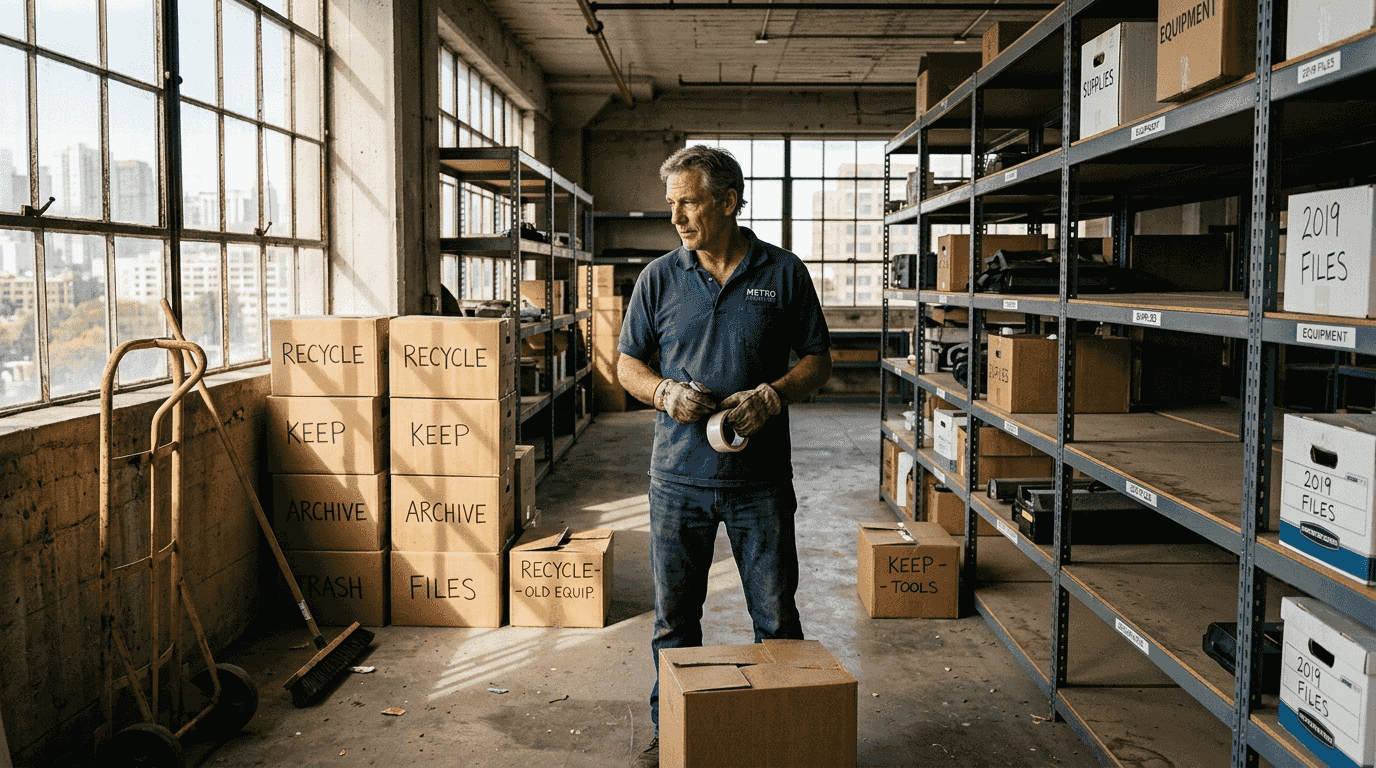
Facility cleanouts can quickly become overwhelming for Massachusetts homeowners and property managers without a clear plan. Between sorting junk, managing disposal regulations, and maintaining eco-friendly practices, the process often leads to delays, wasted effort, and unnecessary stress. This comprehensive guide breaks down the cleanout process into manageable steps, helping you achieve efficient results while protecting property value and supporting sustainability. Whether you’re clearing a residential garage or a commercial warehouse, following a structured approach ensures compliance with Massachusetts regulations and maximizes your cleanout success.
Table of Contents
Key takeaways
Point | Details |
Proper preparation simplifies cleanouts | Gathering the right tools, safety gear, and planning materials in advance prevents delays and ensures smooth execution. |
Step-by-step execution maximizes efficiency | Following a systematic approach to categorizing, removing, and disposing of junk reduces time and minimizes errors. |
Eco-friendly removal reduces waste | Sorting recyclables, donations, and hazardous materials diverts significant waste from landfills and supports sustainability. |
Professional services accelerate compliance | Licensed junk removal providers ensure proper disposal, legal compliance, and faster project completion. |
Verification ensures thoroughness | Post-cleanout checklists and follow-up scheduling maintain clean facilities and prevent future clutter buildup. |
Preparation: essential tools, materials, and planning
Successful facility cleanouts begin long before you start hauling junk. Having the right tools and planning is critical for efficient and safe cleanouts, preventing common mistakes that lead to project delays or compliance issues. Massachusetts property owners must consider local regulations, seasonal weather challenges, and the specific types of debris they’ll encounter.
Start by assembling your essential toolkit. Heavy-duty work gloves protect hands from sharp edges and contaminants. Large plastic bins or heavy-duty trash bags help organize sorted materials. A dolly or hand truck makes moving bulky items safer and faster. Safety goggles shield eyes from dust and debris, while sturdy work boots prevent foot injuries. For larger projects, consider renting a dumpster or scheduling multiple pickup appointments with your waste management provider.
Planning your junk sorting strategy saves enormous time during execution. Create four distinct categories: keep, recycle, donate, and dispose. Recyclables include metals, cardboard, certain plastics, and electronics that Massachusetts recycling centers accept. Donation items should be gently used furniture, appliances, and household goods that local charities will accept. Hazardous materials like paint, batteries, chemicals, and fluorescent bulbs require special handling per Massachusetts Department of Environmental Protection guidelines. Regular trash encompasses everything else that cannot be recycled, donated, or classified as hazardous.
Scheduling considerations matter significantly in Massachusetts. Check local permit requirements for dumpster placement on public streets. Verify your municipality’s bulk waste pickup schedule and any associated fees. Consider seasonal factors like winter snow removal access or summer heat when planning outdoor cleanouts. For commercial properties, coordinate cleanout timing to minimize business disruption and ensure employee safety during the process.
Tool/Material | Primary Purpose |
Heavy-duty gloves | Hand protection from sharp objects and contaminants |
Plastic bins/bags | Organized sorting and temporary storage of categorized items |
Dolly/hand truck | Safe transport of heavy or bulky items |
Safety goggles | Eye protection from dust, debris, and flying particles |
Work boots | Foot protection and stability on uneven surfaces |
Labels/markers | Clear identification of sorted material categories |
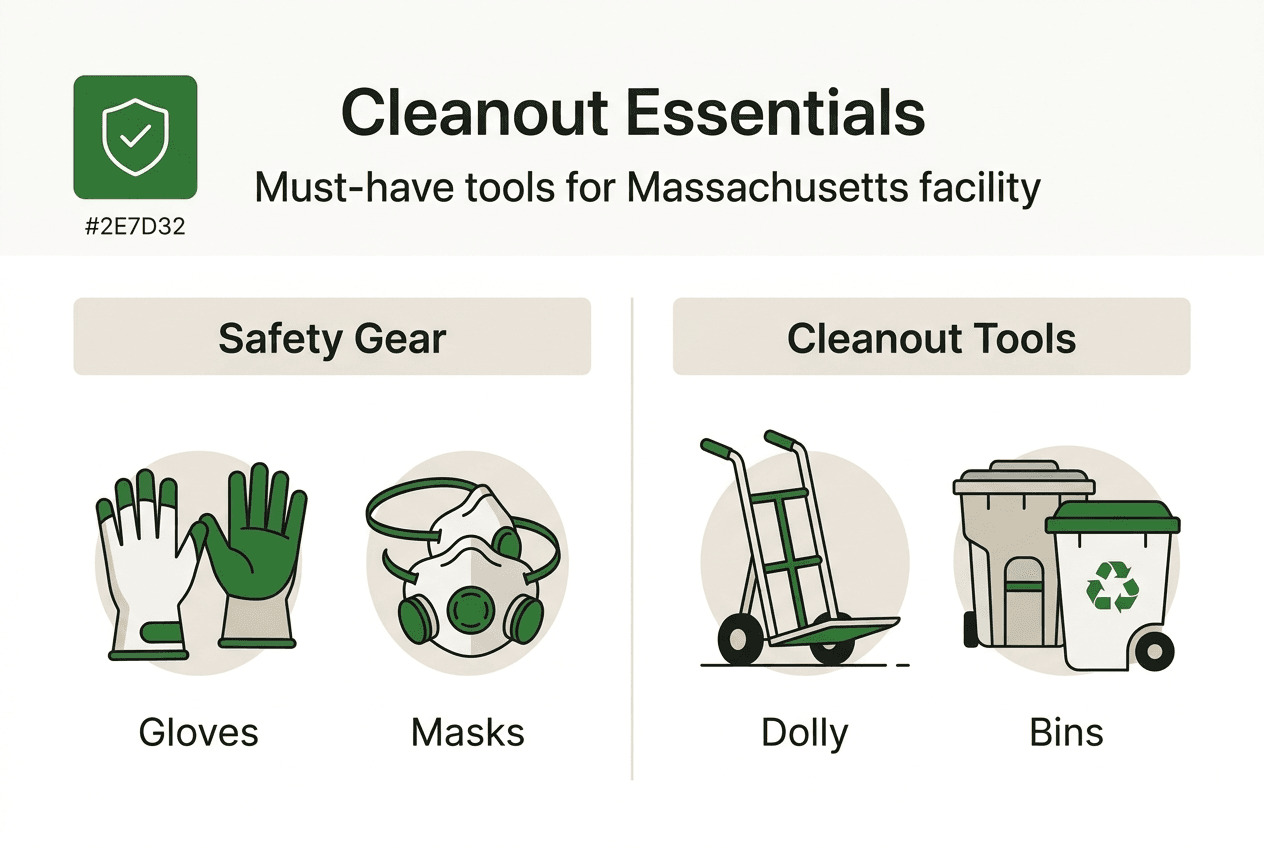
Pro Tip: Set up clearly labeled collection zones before you start removing items. Designate specific areas for recyclables, donations, hazardous materials, and trash. This organization eliminates confusion during the cleanout and dramatically reduces the number of trips needed for final disposal.
Understanding facility upkeep impact helps you recognize how proper preparation affects long-term property maintenance. Properties with regular cleanout schedules experience fewer pest problems, reduced fire hazards, and better overall condition. Your initial preparation investment pays dividends through smoother execution and better outcomes.
Execution: step-by-step cleanout process
With preparation complete, systematic execution transforms an overwhelming project into manageable tasks. Following structured office and business junk removal practices greatly boosts efficiency and compliance, whether you’re clearing a residential basement or commercial facility. Breaking the process into distinct steps prevents overlooked areas and ensures thorough results.
Step 1: Clear and secure the work area. Remove any obstacles blocking access to junk removal zones. Ensure adequate lighting in all work areas, especially basements and storage spaces. Mark off hazardous areas with caution tape if structural concerns exist. Notify building occupants about the cleanout schedule and any temporary access restrictions. Verify that pathways to exits and dumpsters remain clear throughout the process.
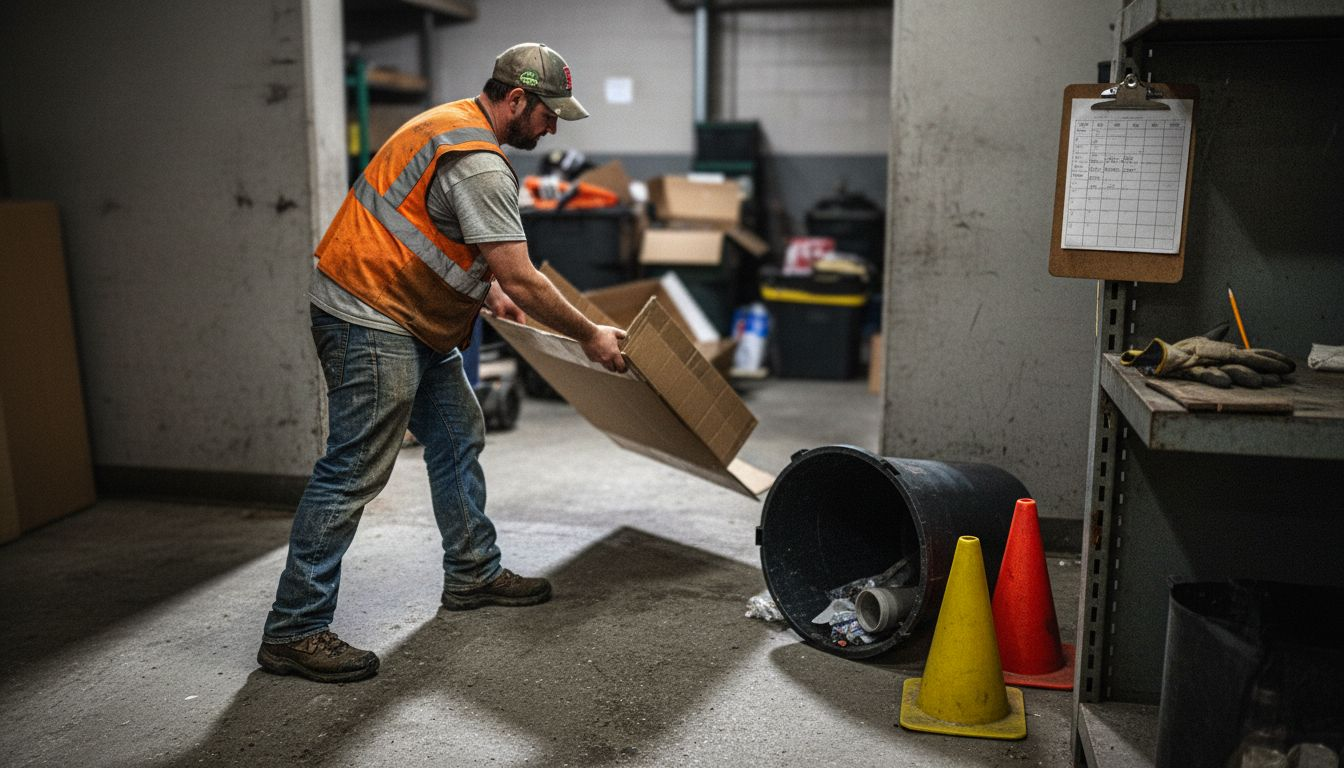
Step 2: Categorize items systematically. Start in one corner or section and work methodically through the space. Evaluate each item using your four-category system: keep, recycle, donate, dispose. Make quick decisions to maintain momentum, setting aside only truly difficult choices for later review. Place items immediately into their designated collection zones rather than creating secondary piles. Take photos of valuable items you plan to donate for potential tax deduction documentation.
Step 3: Remove junk by category and space. Begin with the easiest category to build momentum and clear floor space. Recyclables often make an excellent starting point since they’re straightforward to identify and process. Next, handle donation items while they’re still accessible and undamaged. Process regular trash third, leaving hazardous materials for specialized handling. Work room by room or zone by zone to track progress and maintain organization.
Step 4: Handle hazardous materials per regulations. Never mix hazardous waste with regular trash or recyclables. Store paint, chemicals, and batteries in their original containers when possible. Contact your local hazardous waste collection facility to schedule proper disposal. Massachusetts residents can use municipal hazardous waste collection days or permanent drop-off locations. Keep hazardous materials in a secure, well-ventilated area away from heat sources until proper disposal.
Step 5: Clean surfaces and finalize clearance. Once junk removal is complete, sweep or vacuum all cleared areas. Wipe down surfaces to remove dust and residue. Inspect walls, floors, and ceilings for damage that junk accumulation may have hidden. Document the cleaned space with photos for your records or property management files. Verify that all collection zones are empty and materials have been properly removed or scheduled for pickup.
Pro Tip: Use clear plastic bags for recyclables and dark bags for trash to prevent accidental mixing during final removal. Label each bag or container with its contents and destination. This simple color-coding system helps anyone assisting with the cleanout understand exactly where each item should go, reducing errors and saving time.
Implementing office junk removal steps in commercial settings requires additional attention to document security and electronics disposal. Shred confidential papers before recycling and ensure data-bearing devices receive proper wiping or destruction. Following the business junk disposal guide helps commercial property managers maintain compliance with industry-specific regulations while achieving efficient cleanouts.
Verification and follow-up: ensuring thoroughness and sustainability
Completing the physical cleanout represents only part of the process. Thorough verification ensures nothing was overlooked and all materials reached their proper destinations. Eco-friendly junk removal services help divert up to 60% of waste from landfills in Massachusetts, making verification of sustainable practices increasingly important for environmentally conscious property owners.
Create a comprehensive verification checklist before considering your cleanout complete. Walk through every area that was part of the cleanout scope, checking corners, closets, and overhead spaces. Verify that all collection zones are empty and materials have been removed. Confirm that hazardous waste has been properly disposed of through licensed facilities, retaining receipts for your records. Check that donated items were delivered to charities and obtain donation receipts for tax purposes. Ensure recyclables went to appropriate processing centers rather than landfills.
Massachusetts waste disposal compliance requires attention to specific state and local regulations. Verify that your disposal methods align with Massachusetts Department of Environmental Protection guidelines. Commercial properties must maintain records of waste disposal for potential audits. Residential properties should understand local ordinances regarding bulk waste, especially for items like mattresses, appliances, and electronics that face disposal restrictions. Keeping documentation protects you from potential fines and demonstrates environmental responsibility.
Assessing your recycling and donation impact provides valuable insights for future cleanouts. Calculate the approximate weight or volume of materials diverted from landfills through recycling and donation. Many Massachusetts recycling centers provide this information on receipts. Understanding your environmental impact helps justify the extra effort required for proper sorting and can inform better purchasing decisions to reduce future waste. Share these metrics with stakeholders or tenants to build support for ongoing sustainability initiatives.
Verification checklist for thorough cleanouts:
All designated areas completely cleared of unwanted items
Hazardous materials properly disposed through licensed facilities
Recyclables delivered to appropriate processing centers
Donation items delivered with receipts obtained
Floors, walls, and surfaces cleaned and inspected
Damage or maintenance needs documented
All disposal and donation receipts filed
Photos of completed spaces captured for records
Schedule follow-up maintenance to prevent future clutter accumulation. Establish a regular cleanout calendar based on your property type and usage patterns. Residential properties might schedule annual or semi-annual reviews. Commercial facilities often benefit from quarterly assessments. Storage areas and basements typically need attention every six months. Creating recurring calendar reminders ensures cleanouts don’t become overwhelming projects again.
| Verification Approach | Benefits | Considerations | | — | — | | DIY verification | No additional cost, complete control over process | Time-intensive, may miss compliance issues | | Professional verification | Expert compliance knowledge, thorough documentation | Additional service cost, scheduling coordination | | Hybrid approach | Cost-effective balance, professional guidance on complex items | Requires clear scope definition upfront |
Understanding junk removal sustainability benefits motivates more thorough verification practices. Properties that prioritize sustainable disposal often see improved community reputation, potential tax benefits from charitable donations, and reduced long-term disposal costs through better waste stream management.
Get professional help for your facility cleanout in Massachusetts
While DIY cleanouts work for smaller projects, professional junk removal services dramatically simplify larger facility cleanouts. Junk Dispatch provides comprehensive junk removal throughout Massachusetts, combining efficiency with eco-friendly practices that align with state sustainability goals. Our insured crews handle everything from residential garage cleanouts to commercial warehouse clearing, ensuring proper disposal and compliance with local regulations.
Property managers and homeowners throughout Reading and Essex County trust our same-day service and transparent pricing. We sort recyclables, coordinate donations, and handle hazardous materials according to Massachusetts Department of Environmental Protection standards. Our demolition and junk removal services extend beyond simple cleanouts, supporting renovation projects and property preparation. Contact us for a free estimate and discover how professional support transforms overwhelming cleanouts into streamlined, stress-free projects that protect your property value and support environmental responsibility.
Frequently asked questions
What is the first step in a facility cleanout?
The first step involves detailed planning including a thorough facility assessment, gathering necessary tools and safety equipment, and scheduling disposal services. This preparation phase helps you scope the entire project, identify potential hazards like structural issues or hazardous materials, and ensure compliance with Massachusetts local regulations. Proper planning prevents mid-project delays and reduces overall cleanout time significantly.
How can I ensure eco-friendly junk removal during my cleanout?
Sort all junk into distinct categories for recyclables, donations, and hazardous waste before disposal. Use licensed local junk removal services committed to sustainability and waste diversion from landfills. Verify their waste diversion rates and environmental certifications to ensure your materials are processed responsibly. Massachusetts offers numerous recycling centers and hazardous waste facilities that accept materials traditional trash services cannot handle.
Are professional junk removal services worth the cost?
Professional services save substantial time and dramatically reduce the risk of improper disposal that could result in fines or environmental damage. They ensure compliance with Massachusetts waste regulations and often improve property value post-cleanout through thorough clearing and proper documentation. The cost typically offsets the expense of equipment rentals, multiple disposal trips, and potential compliance violations. For commercial properties, professional services minimize business disruption and liability concerns.
How long does a typical facility cleanout take?
Timeline varies based on facility size, junk volume, and available resources. A single-room residential cleanout might take four to eight hours with proper preparation. Whole-house cleanouts typically require one to three days. Commercial facility cleanouts can span several days to weeks depending on square footage and complexity. Professional services often complete projects 50% faster than DIY efforts due to experience, equipment, and crew size. Creating a realistic timeline during your planning phase helps set appropriate expectations and coordinate necessary resources.
Recommended
Comments