Construction debris disposal methods for Massachusetts
- Joe Lusso
- Mar 16
- 8 min read

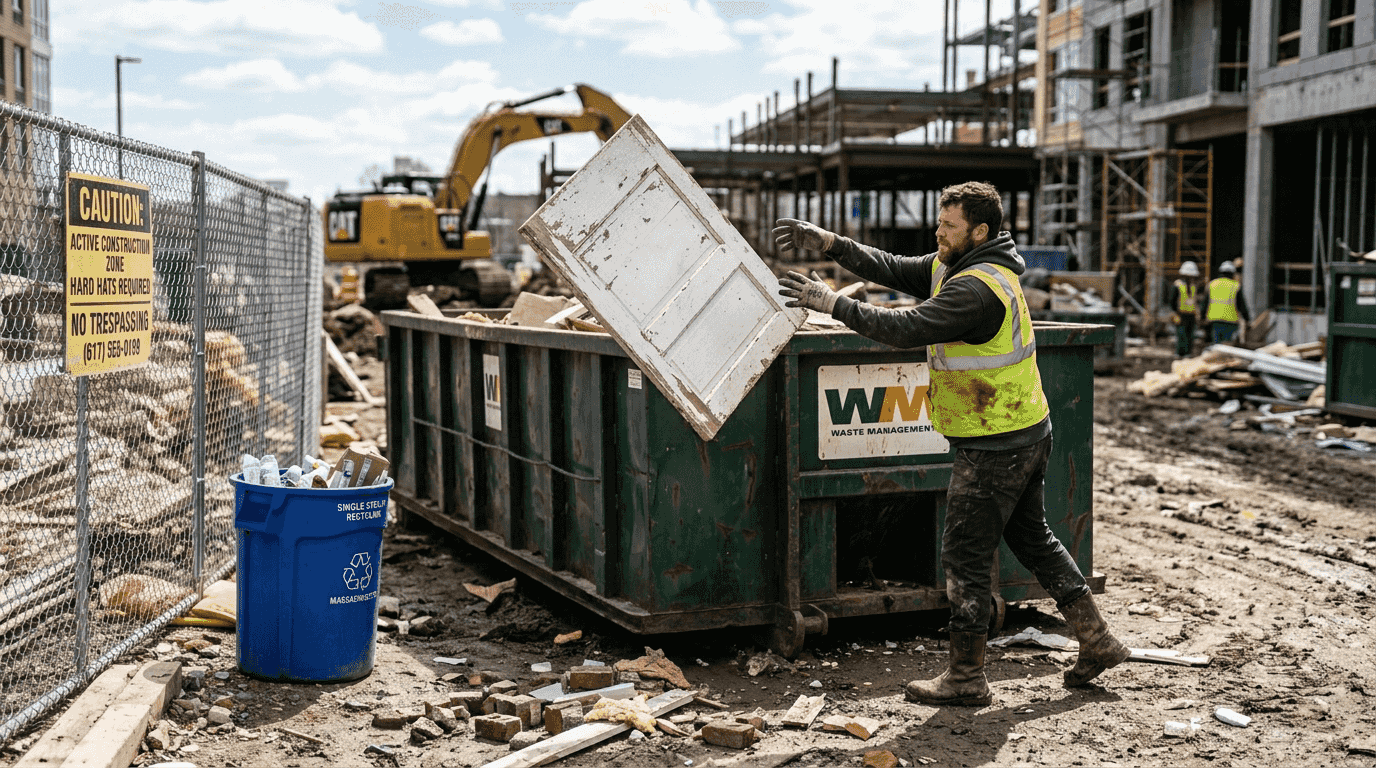
Choosing the right construction debris disposal method in Massachusetts can feel overwhelming. Between state waste bans, recycling requirements, and environmental goals, homeowners and contractors face a complex landscape. You need a clear framework to evaluate options based on efficiency, cost, and sustainability. This article breaks down the criteria and top methods for construction debris disposal tailored specifically to Massachusetts projects. You’ll discover how to save time, stay compliant with regulations, and support eco-friendly practices that benefit both your budget and the environment.
Table of Contents
Key takeaways
Point | Details |
Waste volume | Construction and demolition waste accounts for about 30% of total waste generated in Massachusetts |
Recycling potential | More than 75% of construction debris can often be reused or recycled through proper methods |
State resources | Statewide contracts help streamline access to eco-friendly debris disposal vendors |
Circular economy | Embedding circular economy principles enhances waste reduction effectiveness in construction projects |
Compliance benefits | Proper disposal supports regulatory compliance and contributes to local economic benefits |
How to evaluate construction debris disposal methods
Before selecting a disposal method, you need a solid evaluation framework. Efficiency stands as your first criterion, encompassing speed of service, ease of access, and cost effectiveness. A method that saves you hours of coordination while keeping expenses predictable delivers real value. Environmental impact ranks equally high, measuring recycling rates, waste diversion percentages, and how much material avoids landfills. Massachusetts generates substantial construction waste annually, making these metrics critical for responsible project management.
Regulatory compliance cannot be overlooked. Massachusetts enforces strict waste bans and MassDEP requirements that directly affect your disposal choices. Violating these regulations leads to penalties and project delays. Storage needs and logistics also shape method suitability, especially for residential renovations with limited space. You might have room for salvaged materials or need immediate removal to keep work moving.
Partnering with providers experienced in statewide contracts offers operational benefits by leveraging the Commonwealth’s expertise and environmental goals. These vendors understand local regulations and provide vetted services that simplify your compliance process. Consider these factors together rather than in isolation. A method scoring high on environmental impact but failing on logistics won’t serve your project well.
Pro Tip: Create a simple scorecard rating each disposal method on efficiency, environmental impact, compliance, and logistics to visualize trade-offs for your specific project needs.
Key evaluation criteria include:
Speed and accessibility of the disposal service
Total cost including transportation, processing, and potential salvage value
Percentage of materials diverted from landfills
Vendor familiarity with Massachusetts waste regulations
On-site storage requirements and timeline flexibility
For contractors managing multiple projects, exploring junk removal for contractors in Massachusetts reveals specialized services designed for commercial scale operations. Residential projects benefit from targeted approaches detailed in construction debris removal tips for Massachusetts that address space constraints and neighborhood considerations.
Top construction debris disposal methods in Massachusetts
Massachusetts offers several proven disposal methods, each with distinct advantages. Deconstruction leads in sustainability by salvaging reusable materials before demolition begins. This method recovers wood framing, fixtures, appliances, doors, and hardware that can be donated or resold. Carey Company Inc. diverted 30% of materials through strategic deconstruction and recycling on their projects, demonstrating real-world impact.
Construction and demolition recycling processes handle materials unsuitable for direct reuse. Facilities sort and process metals like copper and aluminum, concrete, asphalt, and certain plastics. More than 75% of construction waste can be reused, repurposed, or recycled when proper systems are in place. This method balances environmental responsibility with practical cost management.
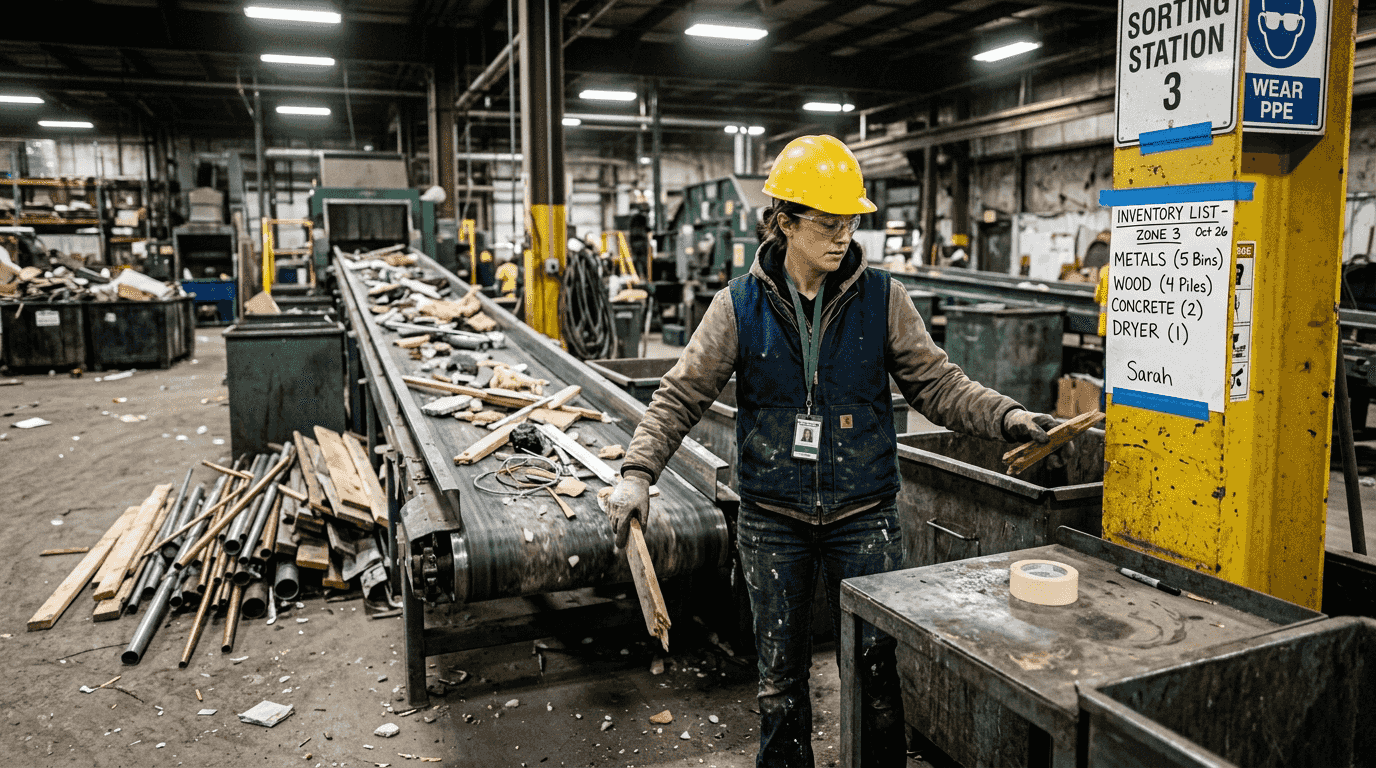
Traditional trash removal and landfill disposal remains necessary for contaminated materials or items banned from recycling streams. While least eco-friendly, this method handles hazardous substances and mixed waste that other options cannot process safely. Speed and simplicity make it tempting, but long-term costs and environmental impact often exceed alternatives.
Statewide contracts simplify vendor selection by providing pre-approved disposal providers who meet environmental and operational standards. These agreements reduce your research time and ensure compliance with state requirements. Combining methods often yields optimal results. You might deconstruct to salvage valuable materials, recycle the bulk of demolition waste, and use landfill disposal only for truly non-recyclable items.
Pro Tip: Schedule a pre-demolition assessment to identify high-value salvage opportunities like granite countertops, copper piping, or vintage fixtures that offset disposal costs through resale or donation.
Common disposal methods include:
Deconstruction for material salvage and reuse
Recycling centers for metals, concrete, and wood processing
Donation programs for usable fixtures and building materials
Mixed waste processing facilities for combined debris streams
Specialized haulers for hazardous materials requiring certified disposal
Professional construction debris removal services in Massachusetts handle logistics from sorting to transportation, letting you focus on project execution rather than waste management coordination.
Comparing disposal methods: efficiency, cost, and environmental impact
Understanding trade-offs between methods helps you make informed decisions. Deconstruction offers the highest reuse rates, sometimes exceeding 80% for well-planned projects. However, it requires significant labor investment and space for sorting salvaged materials. Timeline flexibility becomes essential since careful dismantling takes longer than demolition. Cost varies based on salvage value, with some projects actually generating revenue from reclaimed materials.
Recycling centers balance environmental benefit with operational efficiency. Drop-off fees typically run lower than full-service hauling, but you handle transportation and sorting. Processing capabilities vary by facility, so confirm accepted materials before loading your truck. This method works well for contractors with consistent debris streams who can establish vendor relationships.
Traditional waste disposal provides speed and simplicity. One call arranges pickup, and materials disappear quickly. Initial costs seem reasonable, but tipping fees at landfills continue rising. Environmental impact ranks highest among options, and MassDEP has enforced waste bans since 2006, making non-compliance expensive through penalties and restricted vendor access.
Method | Efficiency | Cost Range | Environmental Impact | Best For |
Deconstruction | Moderate speed, high labor | Variable, potential revenue | Excellent, 70-85% diversion | Historic renovations, high-value materials |
Recycling centers | Fast with prep, self-haul | Low to moderate | Good, 60-75% diversion | Contractors with sorting capability |
Full-service recycling | Fast, minimal effort | Moderate to high | Good, 65-80% diversion | Residential projects, mixed debris |
Landfill disposal | Fastest | Moderate upfront, rising fees | Poor, 0-10% diversion | Contaminated or banned materials only |
Statewide contracts | Fast, streamlined | Competitive, negotiated rates | Very good, vendor certified | Large projects, municipal work |
Compliance with state bans directly affects your vendor options and project costs. Facilities accepting banned materials face penalties, limiting your disposal choices. Planning ahead for material separation and appropriate routing saves money and headaches. Review construction debris disposal tips for Massachusetts for detailed guidance on meeting regulatory requirements while optimizing costs.
Choosing the right disposal method for your Massachusetts project
Your project scope, budget, and sustainability goals determine the optimal disposal approach. Small residential renovations benefit from targeted deconstruction of valuable items like cabinets, countertops, and fixtures, combined with selective recycling for bulk materials. This hybrid approach maximizes value recovery without overwhelming limited storage space. A bathroom remodel might salvage the vanity and mirror while recycling old tile and fixtures.
Large contractor projects gain efficiency through statewide contracts and commercial recycling programs. Volume discounts and established vendor relationships streamline operations across multiple job sites. You can standardize disposal procedures, train crews on sorting protocols, and track diversion rates for client reporting. Commercial scale justifies investment in on-site sorting equipment and dedicated waste coordinators.
Budget constraints often necessitate mixed methods. You might prioritize deconstruction for high-value items, use recycling centers for bulk materials you can transport yourself, and reserve full-service hauling for final cleanup. This tiered approach controls costs while maintaining reasonable environmental standards. Calculate total project costs including labor for sorting, transportation, and disposal fees to identify true savings.
Planning ahead for storage and salvage space supports reuse goals. Designate areas for sorted materials, protecting salvaged items from weather and damage. Embedding circular economy principles reduces waste generation at the source by designing for material reuse and minimal cutting waste. Template cutting patterns and modular approaches decrease debris volume before disposal becomes necessary.
Partnering with experienced debris removal providers simplifies logistics and compliance. Professional services understand Massachusetts regulations, maintain proper insurance and licensing, and provide documentation for your records. They handle unexpected challenges like discovering asbestos or other hazardous materials requiring specialized disposal. This expertise proves invaluable for maintaining project schedules and avoiding costly mistakes.
Pro Tip: Request waste diversion reports from your disposal provider to document sustainability efforts for client presentations, green building certifications, or municipal compliance requirements.
Decision factors for method selection:
Project size and debris volume estimates
Available budget for disposal and labor
On-site space for sorting and temporary storage
Timeline pressure and scheduling flexibility
Client sustainability requirements or certifications
Local recycling infrastructure and vendor availability
Homeowners tackling DIY projects find guidance in resources about managing junk removal efficiently, which covers planning, scheduling, and cost optimization strategies applicable to construction debris scenarios.
Get professional construction debris removal in Massachusetts
Navigating disposal options takes time away from your actual project work. Junk Dispatch delivers professional, eco-friendly debris removal services designed specifically for Massachusetts homeowners and contractors. We handle everything from residential bathroom renovations to large commercial construction sites, ensuring compliance with state regulations while maximizing recycling and reuse.
Our local teams understand Massachusetts waste bans and MassDEP requirements inside and out. You get transparent pricing, flexible scheduling including same-day service, and insured crews who protect your property. We sort materials on-site, route recyclables to appropriate facilities, and provide documentation for your records. Whether you need ongoing support for a multi-phase project or one-time cleanout after demolition, our services adapt to your needs.
Homeowners in Reading benefit from our junk removal services in Reading MA, while contractors across the region access our Essex County junk removal services for reliable support. Businesses requiring regular debris management find our commercial junk removal services deliver consistency and compliance across multiple locations. Contact Junk Dispatch today for a free estimate and discover how professional debris removal simplifies your Massachusetts construction projects while supporting your environmental goals.
FAQ
What is the best construction debris disposal method in Massachusetts?
The best method depends on your project specifics. For renovations with salvageable materials, deconstruction combined with recycling delivers optimal environmental impact and potential cost recovery. Large commercial projects benefit from statewide contract vendors offering competitive rates and guaranteed compliance. Small residential jobs often find full-service recycling haulers provide the right balance of convenience and sustainability without requiring extensive sorting labor.
How can I ensure my construction debris disposal complies with Massachusetts regulations?
Work exclusively with licensed disposal vendors who maintain current Waste Ban Compliance Plans and understand MassDEP requirements. Request documentation proving proper material routing to approved facilities. Stay informed about updates to waste bans and recycling requirements through MassDEP communications. Many professional removal services like Junk Dispatch handle compliance automatically, providing peace of mind and proper documentation for your project records.
What materials are most commonly recycled or salvaged in construction projects?
Wood framing, trim, and flooring lead salvage efforts, along with metals like copper piping, aluminum siding, and steel beams. Fixtures including sinks, toilets, light fixtures, and appliances often find second lives through donation or resale. Concrete and asphalt get crushed for aggregate in new construction. Deconstruction projects yield high-value items like granite countertops, solid wood cabinets, vintage doors, and decorative hardware that command premium prices in salvage markets.
How do statewide contracts benefit construction debris disposal for contractors?
Statewide contracts provide access to pre-vetted disposal vendors offering competitive pricing through the Commonwealth’s collective buying power and vendor management expertise. You skip lengthy vendor qualification processes and gain confidence in compliance and service quality. These contracts often include performance guarantees and streamlined dispute resolution. For contractors managing multiple projects or municipal work, statewide contracts simplify procurement while supporting environmentally preferable disposal practices. Learn more about contractor-specific solutions through junk removal for contractors in Massachusetts resources.
Recommended
Comments