What is construction debris? Massachusetts disposal guide
- Joe Lusso
- 1 day ago
- 7 min read

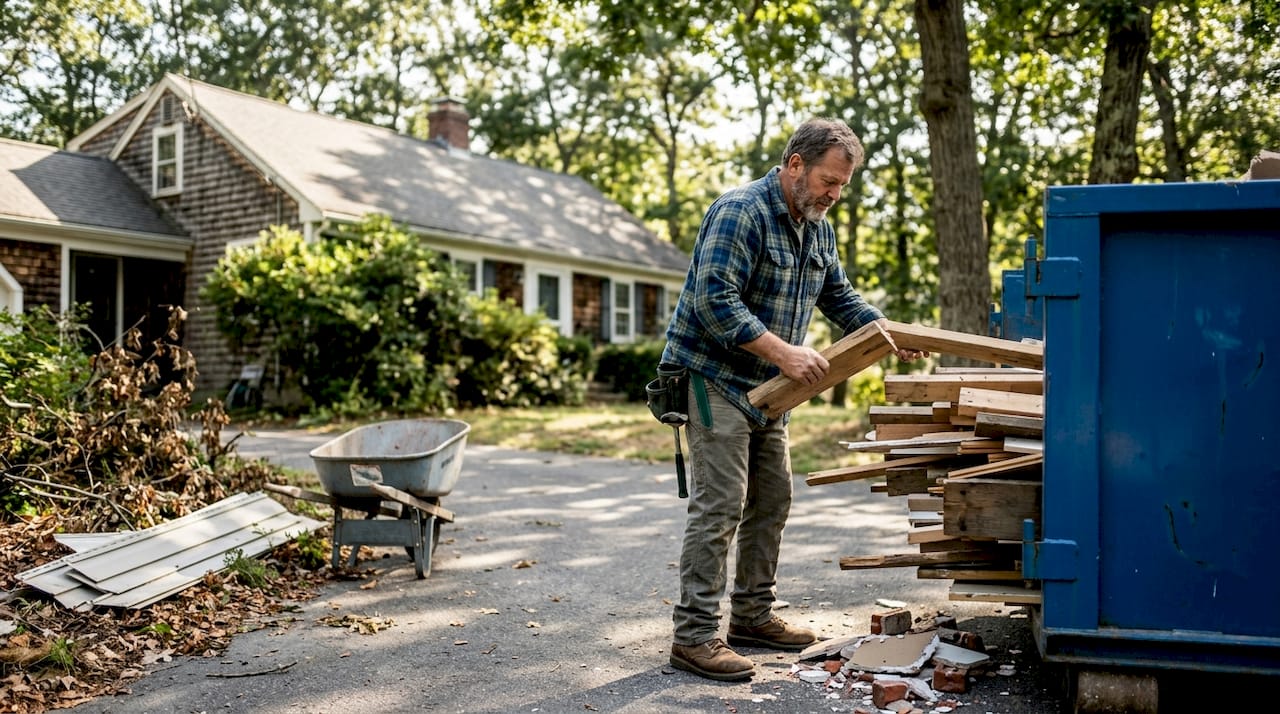
TL;DR:
Massachusetts has strict regulations banning most construction and demolition debris from landfills.
Proper sorting of materials like wood, concrete, metals, and drywall is essential to avoid rejection and fines.
Junk Dispatch provides expert debris removal services that handle sorting, compliance, and transport across Massachusetts.
Construction debris isn’t just a pile of trash you can toss in a dumpster and forget about. In Massachusetts, it’s one of the most tightly regulated waste categories in the country, and getting it wrong can cost you real money. Whether you’re a homeowner finishing a bathroom remodel or a contractor clearing a demolition site, Massachusetts has strict rules that go far beyond what most people expect. This guide breaks down exactly what counts as construction debris, what the law requires, how to sort it properly, and which disposal options make the most sense for your project.
Table of Contents
Key Takeaways
Point | Details |
Not just trash | Construction debris includes regulated materials like wood and drywall, not normal waste. |
Strict state rules | Massachusetts bans many C&D materials from the landfill and enforces costly penalties for non-compliance. |
Sorting saves money | Separating debris by type lowers disposal costs and prevents fines or delays. |
Choose the right method | Dumpster rental fits big jobs, while junk removal works for small projects or heavy items. |
What counts as construction debris?
Not everything left over from a building project is the same. Construction debris, demolition debris, and renovation debris are often lumped together, but they come from different stages of a project. Construction debris is generated when building something new. Demolition debris comes from tearing structures down. Renovation debris is the middle ground, materials removed or replaced during upgrades.
All three fall under the umbrella term construction and demolition (C&D) debris, and Massachusetts treats them with the same level of regulatory scrutiny.
Common C&D materials include:
Wood (framing lumber, trim, plywood, pallets)
Concrete and masonry (blocks, pavers, slabs)
Drywall and gypsum wallboard
Metals (steel beams, copper pipes, aluminum framing)
Brick and tile
Glass (windows, doors)
Insulation (fiberglass batts, foam board)
Plastics (PVC pipes, sheeting)
Asphalt (shingles, pavement)
According to MassDEP guidelines, C&D debris includes brick, drywall, wood, metals, glass, insulation, and concrete as regulated materials. That list surprises a lot of homeowners who assume only hazardous materials face restrictions.
Some items seem like regular garbage but are actually regulated differently. Old carpet, ceiling tiles, and even cardboard from a job site may be subject to disposal rules depending on how they’re mixed with other debris. Understanding these distinctions upfront is what separates a smooth cleanup from a costly headache. You can also explore the reasons to remove construction debris promptly to understand why timely disposal matters beyond just compliance.
MassDEP defines C&D debris as: “Solid waste resulting from the construction, remodeling, repair, and demolition of structures and roads, including but not limited to concrete, brick, bituminous concrete, wood, masonry, glass, and composition roofing.”
Regulations for construction debris in Massachusetts
Once you know what construction debris is, it’s vital to understand the specific laws in Massachusetts that affect how you dispose of it.
Massachusetts has some of the toughest C&D disposal rules in the country. MassDEP has been expanding its landfill ban list for decades. Asphalt, brick, concrete, metal, wood, glass, plastic, and cardboard have been banned from landfills since 2006, with clean gypsum wallboard added to that list in 2011. That means the vast majority of what comes off a job site cannot legally go to a standard landfill.
Here’s a quick comparison of what’s banned versus what’s allowed:
Material | Landfill status in MA |
Wood, lumber, pallets | Banned |
Concrete, brick, masonry | Banned |
Drywall, gypsum board | Banned |
Metals (steel, copper, aluminum) | Banned |
Asphalt shingles and pavement | Banned |
Glass and plastics | Banned |
Cardboard | Banned |
Hazardous materials (asbestos, lead paint) | Requires special handling |
Non-recyclable mixed waste (small amounts) | May be allowed with restrictions |
The financial impact is significant. Because there are no in-state C&D landfills, debris must either be recycled locally or exported out of state, which drives disposal costs 50 to 100% higher than the national average. That’s not a typo. You’re paying a premium simply because of where you live.
Contractors and homeowners are legally required to sort debris before disposal. Facilities can and do reject mixed loads. Fines for non-compliance are real, and project delays from rejected loads can set timelines back by days. Knowing your debris disposal methods ahead of time helps you avoid those surprises.
How to sort and prepare construction debris
Having covered what the law requires, the next step is knowing how to prepare your debris for easy, legal disposal.
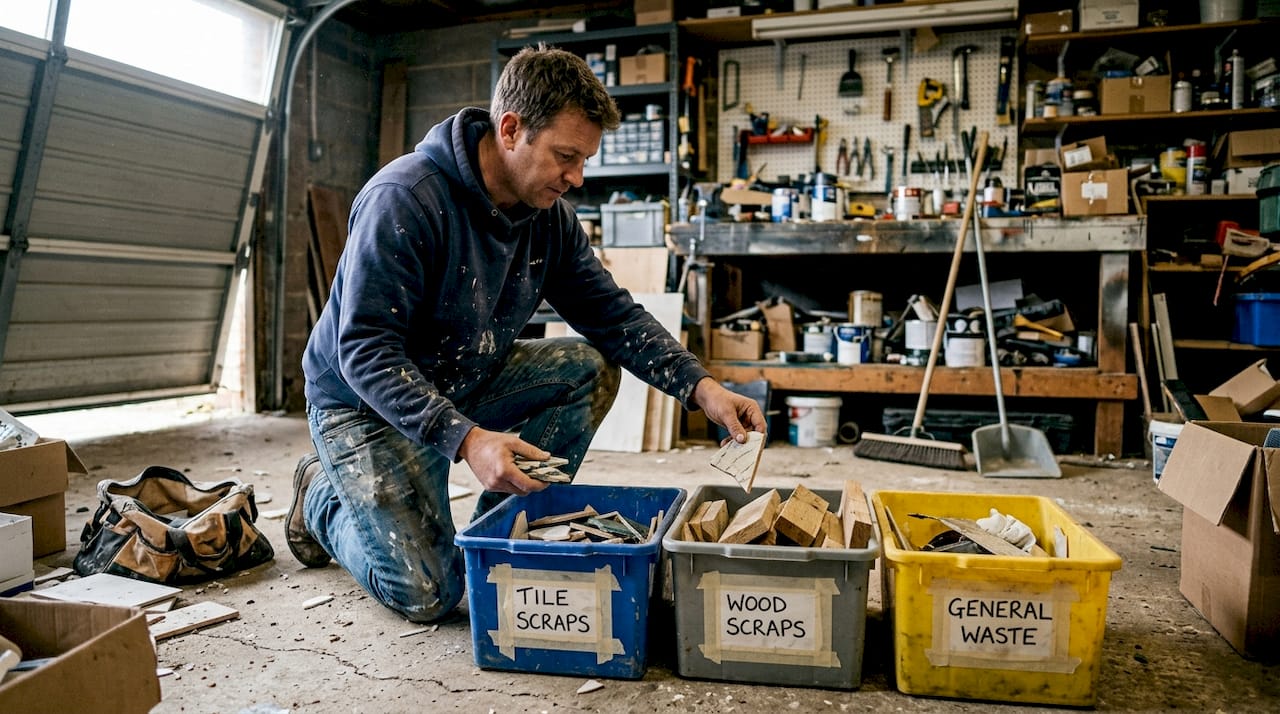
Proper sorting isn’t just about following rules. It saves you money. Facilities charge more for mixed loads, and some refuse them entirely. Here’s a practical step-by-step approach:
Separate heavy and mineral materials first. Concrete, brick, tile, and masonry are the heaviest and most recyclable. Keep them in one dedicated area or container. Never mix them with wood or drywall.
Isolate wood waste. Clean dimensional lumber, plywood, and trim can often be recycled or repurposed. Treated or painted wood may face additional restrictions, so set it aside separately.
Bag all dusty materials. Drywall and insulation must be bagged before transport. Prioritizing on-site sorting and bagging drywall and insulation separately prevents contamination of other loads and keeps disposal costs down.
Set aside metals. Copper, steel, and aluminum are often the most valuable recyclables on a job site. Many scrap yards will take them for free or even pay you.
Handle hazardous materials separately. Asbestos, lead paint, and treated materials need licensed disposal. Never mix these with general C&D debris.
To prepare properly, you’ll want bins or containers labeled by material type, heavy-duty contractor bags for drywall and insulation, and a clear staging area on site. This removal guide for MA homeowners walks through the full process in detail.
Pro Tip: Before hauling anything, check MassDEP’s permitted facility list online to find your nearest drop-off location. Not every facility accepts every material, and calling ahead saves you a wasted trip. You can also review recycling tips for construction debris to maximize what gets diverted from disposal entirely.
Disposal and recycling options for MA homeowners and contractors
With your debris sorted and prepped, you can now choose the best removal method for your project’s size and type.
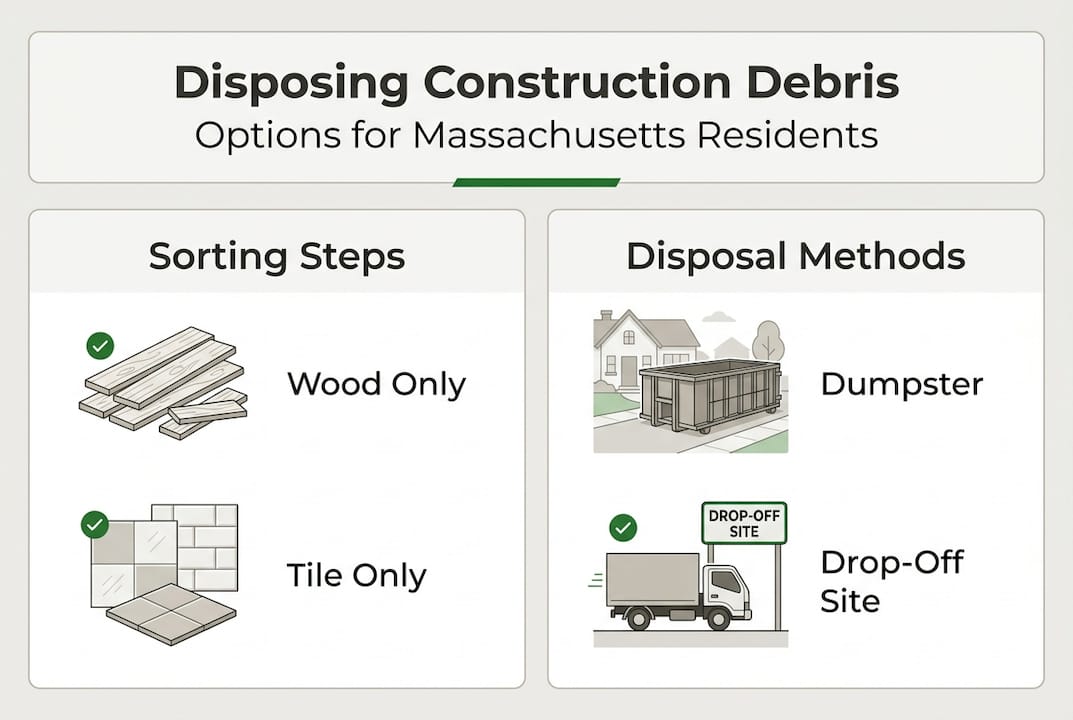
Massachusetts homeowners and contractors have a few main options, and each fits a different scenario. Here’s how they compare:
Method | Best for | Avg. cost | Pros | Cons |
Dumpster rental | Large renovations, full demo jobs | $350 to $700+ | Convenient, on-site storage | Requires sorting, permit may be needed |
Junk removal service | Mixed loads, heavy items, fast cleanup | $150 to $500+ | Crew does the work, handles compliance | Costs more per load |
Drop-off recycling center | Small sorted loads, specific materials | $0 to $150 | Low cost, eco-friendly | Requires transport and pre-sorting |
Direct hauling (contractor) | Large sorted loads, ongoing projects | Varies | Efficient for big volumes | Requires permitted vehicle and facility |
For larger jobs, a dumpster rental makes sense. For small, heavy, or mixed materials, junk removal or drop-off sites are usually more practical and cost-effective.
When to choose each option:
Dumpster rental: Full kitchen or bathroom gut, roof replacement, large additions
Junk removal service: Single-room cleanouts, post-renovation leftovers, heavy concrete or brick
Drop-off center: Small sorted loads of concrete, metal, or clean wood
Direct hauling: Ongoing commercial or contractor work with consistent volume
For eco-friendly debris solutions that go beyond basic disposal, Massachusetts actually has a strong network of C&D recycling facilities that can handle most common materials.
Why most people get construction debris disposal wrong in Massachusetts
Here’s the uncomfortable truth: most disposal mistakes aren’t made out of laziness. They’re made out of genuine confusion about what the rules actually are.
The single biggest mistake we see is mixing debris. A homeowner tosses drywall, wood scraps, and old tile into the same bin. The load gets rejected at the facility. Now there’s an extra haul fee, a project delay, and sometimes a fine. Mixed loads often result in rejection, extra costs, and project delays that nobody budgeted for.
The second mistake is assuming Massachusetts works like other states. It doesn’t. The landfill bans here are broader and more enforced than almost anywhere else. Contractors who move to Massachusetts from other states often get burned on their first job because they didn’t know the rules had changed.
The third mistake is avoiding professional help to save money, then spending more fixing the fallout. A reputable efficient debris removal service knows what facilities accept what materials. They handle sorting, compliance, and transport. The upfront cost is almost always less than the cost of a rejected load plus a second haul.
Our advice: always call the facility before you haul. Ask what’s accepted, what needs to be separated, and whether you need an appointment. That one phone call can save you hundreds of dollars and hours of frustration.
How Junk Dispatch can help you clear construction debris
Dealing with Massachusetts construction debris rules is genuinely complicated, and that’s exactly why Junk Dispatch exists. We handle the sorting, compliance, and hauling so you don’t have to figure it out on your own.

Whether you’re a homeowner finishing a small renovation or a contractor wrapping up a full demolition, we serve projects of every size across Massachusetts. Our insured crews know the local regulations, use permitted facilities, and make sure your debris is handled the right way. From Reading junk removal to Essex County junk removal, we cover the communities where you work and live. Book online, get a free estimate, and let us take the headache off your hands.
Frequently asked questions
What materials are considered construction debris in Massachusetts?
C&D debris includes wood, metals, drywall, brick, concrete, glass, plastics, and asphalt, all regulated under MassDEP rules. Even cardboard from a job site may fall under C&D guidelines depending on how it’s mixed.
Can I throw away construction debris with my regular trash in MA?
No. Major items like brick, wood, and drywall are banned from regular landfills and cannot be put out with household trash. Doing so can result in fines and rejected pickups.
What are the consequences of not sorting construction debris in Massachusetts?
Improper loads may be rejected by disposal facilities, resulting in extra fees, return hauls, and potential fines from MassDEP. Unsorted debris can also delay your project timeline significantly.
What’s the best way to dispose of small versus large amounts of construction debris?
For small or heavy loads, junk removal services or drop-off recycling centers are your best bet. For large renovations, a dumpster rental gives you on-site convenience and capacity for the full job.
Recommended
Comments