Safe, Legal, and eco-friendly appliance disposal guide
- Joe Lusso
- 3 days ago
- 8 min read

TL;DR:
Massachusetts bans large household appliances from regular trash, requiring approved disposal methods.
Disposal options include municipal pickup, transfer stations, retailer programs, EPA-certified recyclers, and utility bounty programs.
Proper preparation, scheduling, and documentation are essential to ensure compliance and environmental safety.
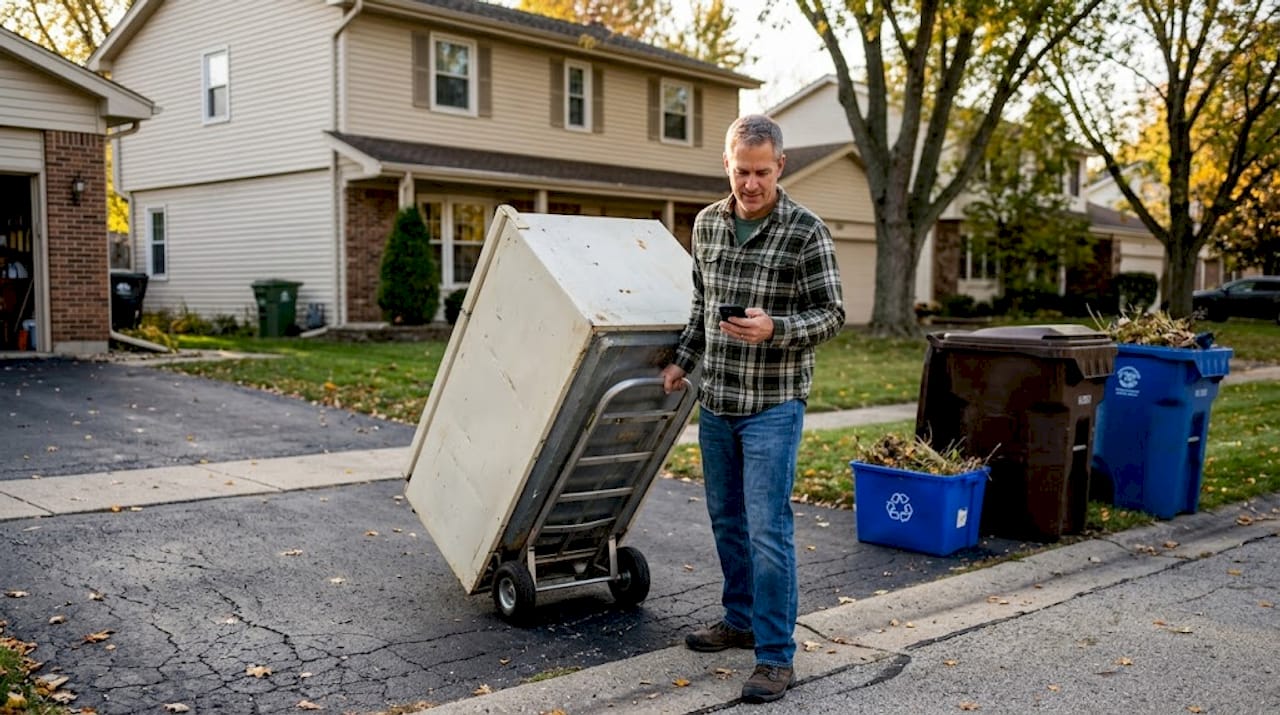
Most Massachusetts homeowners assume that swapping out an old refrigerator or washer is simple: drag it to the curb and let the trash truck handle it. That assumption is wrong, and it can cost you. Massachusetts has banned large household appliances, commonly called “white goods,” from regular trash and incineration since 1991, meaning illegal disposal can result in fines and environmental harm. This guide breaks down exactly what appliance disposal means under the law, which approved methods actually work in Massachusetts, how to prep your appliance correctly, and what pitfalls trip up even careful homeowners and property managers.
Table of Contents
Key Takeaways
Point | Details |
Legal requirements matter | Massachusetts homeowners must follow white goods disposal rules to stay compliant and avoid fines. |
Handle hazardous components | Proper disposal involves safe management of refrigerants and other toxins found in appliances. |
Choose approved options | Municipal, retailer take-back, and certified recycling are the safest ways to dispose of appliances. |
Prep appliances correctly | Follow item preparation instructions such as door removal and scheduling, specific to your locality. |
Get expert help | Professional appliance removal can help navigate the complex rules and keep your disposal eco-friendly. |
What is appliance disposal and why does it matter?
Appliance disposal refers to the end-of-life handling of major household appliances through approved routes rather than placing them in regular trash. It sounds bureaucratic, but the reasoning is straightforward: many appliances contain materials that are genuinely dangerous if they end up in a landfill or get crushed without preparation.
So what counts as an appliance for disposal purposes? The list is longer than most people expect:
refrigerators and freezers
air conditioners and dehumidifiers
washers and dryers
stoves, ovens, and ranges
water heaters
dishwashers
These are the items Massachusetts law specifically targets because they often contain refrigerants, compressor oils, mercury switches, or foam insulation with chemicals that can contaminate soil and groundwater.
“Large appliances are banned from regular trash and require special handling under Massachusetts state law.”
The ban has been in place for over three decades, yet violations still happen regularly because the information does not always reach renters, new homeowners, or out-of-state property managers unfamiliar with Massachusetts rules.
Why does improper disposal create real problems? First, there is the environmental side: refrigerants like HFCs and CFCs are potent greenhouse gases. Second, there is legal exposure: municipalities can issue fines for illegal dumping, and landlords who manage multiple units face higher scrutiny. Third, there is a public safety concern when old refrigerators with sealed doors end up accessible to children.
The key takeaway: appliance disposal is not optional in Massachusetts. It requires an approved method, some advance planning, and in many cases, a scheduled appointment. If you want a broader picture of eco-friendly options before deciding on a route, it helps to compare them side by side.
approved methods for appliance disposal in Massachusetts
Once you accept that the trash bin is off the table, the next question is: who can legally take your appliance? There are four main channels, and each has trade-offs.
Municipal bulk collection programs. Many Massachusetts towns offer scheduled white goods pickup through their Department of Public Works (DPW). You typically need to call ahead and book an appointment. Massachusetts municipalities may require appointments or specific drop-off locations rather than curbside service.
Transfer station drop-off. If your town operates a transfer station or recycling center, you can often bring appliances directly. Call first to confirm they accept white goods and ask about fees.
retailer take-back programs. Major appliance retailers frequently offer haul-away services when you purchase a replacement unit. Some charge a small fee; others include it with delivery. It is worth asking at the point of sale.
certified recycling facilities. Companies affiliated with the RAD (responsible appliance disposal) program, coordinated by the EPA, handle refrigerant recovery before dismantling appliances for metal recycling. The appliance recycling benefits go well beyond just keeping landfill waste down: it recovers valuable metals and prevents toxic releases.
utility bounty or turn-in programs. Some Massachusetts utility providers pay cash or offer bill credits when you turn in an old working appliance, particularly older energy-hogging refrigerators or freezers. The EPA recommends checking for utility programs first, since you may actually get paid to dispose responsibly.
| Method | Cost | Speed | Works without a new purchase? | Municipal pickup | Usually free | 1 to 4 weeks | Yes | Transfer station drop-off | Small fee possible | Same day or next day | Yes | retailer take-back | Free to low fee | At delivery | No | certified recycler | Fee varies | By appointment | Yes | utility bounty program | Free or paid to you | By program schedule | Yes (must meet criteria) |}
Pro tip: If you manage multiple units and need to dispose of several appliances at once, bundling them through a single service call with a certified recycler or a professional removal company saves time and ensures uniform compliance. Check out the property manager disposal workflow for a step-by-step approach built around multi-unit needs.
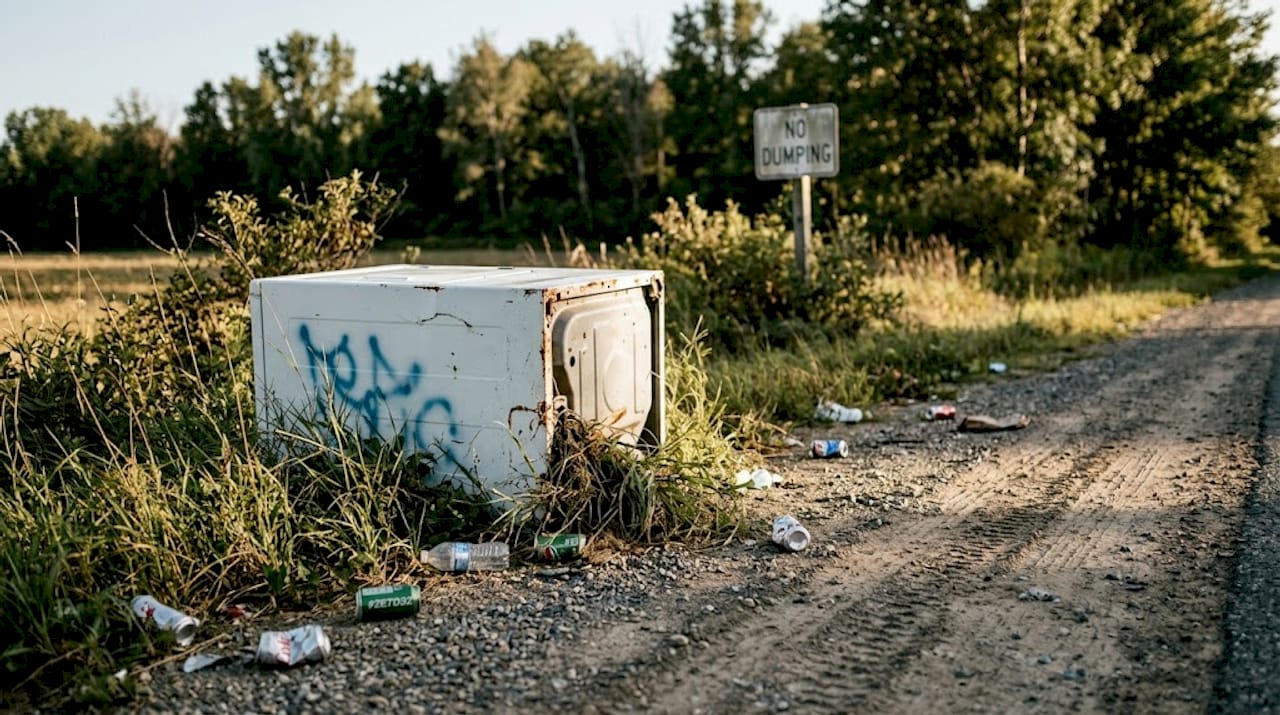
Avoiding illegal dumping is not just about following the law. Beyond fines, abandoned appliances on roadsides or in dumpsters create liability, attract rodents, and can result in costly cleanup orders. The legal and item recycling routes are genuinely easier than dealing with the fallout from cutting corners.
Key rules: preparing your appliance for disposal
Knowing where your appliance goes is only half the equation. How you prep it matters just as much, and getting it wrong can delay your pickup or create a safety or legal issue.
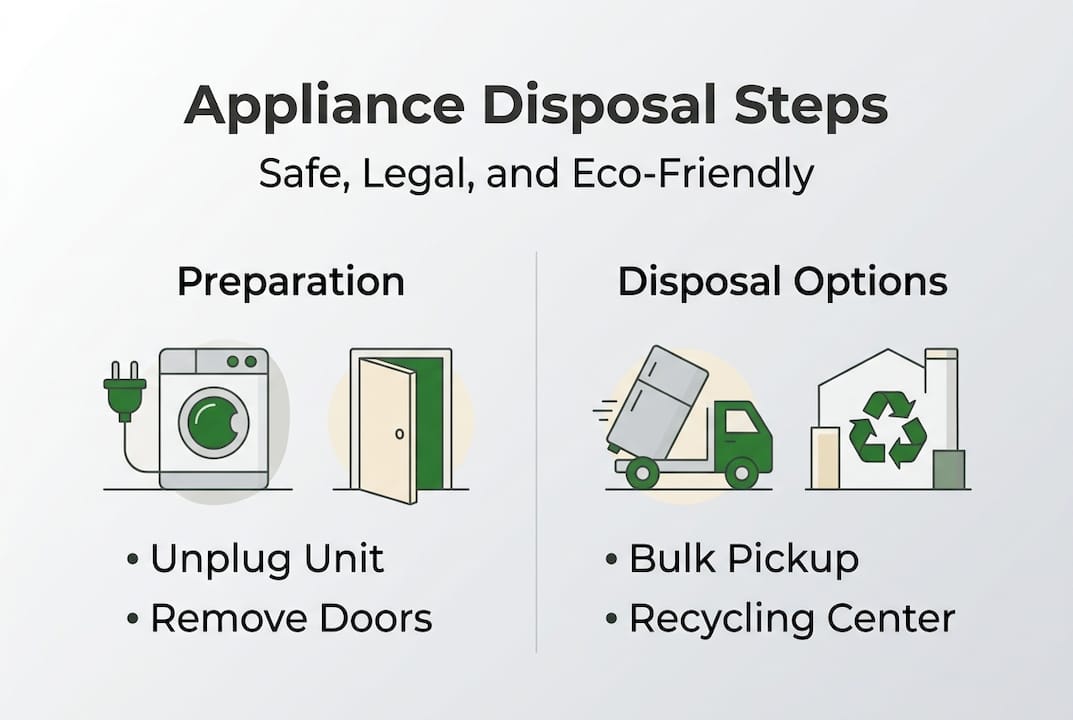
Here is a step-by-step approach that works across most Massachusetts municipalities:
Contact your city or town DPW first. Every municipality has slightly different rules. Some require an appointment scheduled days in advance; others want a sticker or tag placed on the appliance.
Remove refrigerator and freezer doors if required. Boston requires refrigerator/freezer door removal for safety before curbside pickup, and many surrounding communities follow similar rules. A door-sealed refrigerator is a suffocation risk, especially for young children.
Never attempt to drain or release refrigerant yourself. This is both federally illegal and dangerous. EPA guidelines for proper appliance handling require that refrigerant be recovered by a certified technician using approved equipment. The same applies to compressor oils and capacitors in AC units, which can hold dangerous electrical charges.
Keep the appliance intact otherwise. Do not smash, dismantle, or cut into any appliance unless your program specifically permits it. Breaking a sealed system releases refrigerant and voids any recycling value.
Document everything for property management records. If you manage rental units, keep a written log of the appliance model, date of removal, and the service or program used. This protects you if a compliance question arises later.
Pro tip: Take a photo of the appliance as it sits for pickup, including any required tags or door-removal evidence. It takes thirty seconds and gives you proof the job was done correctly.
For more on appliance prep for recycling and general decluttering tips that keep you organized, those resources go deeper into the step-by-step logistics.
common challenges and solutions in appliance disposal
Even well-informed homeowners hit snags. Here are the most frequent ones and how to handle them.
Common pain points:
appointment backlogs. Municipal bulk pickup can be weeks out, especially in spring and summer. If you need the appliance gone sooner, a certified recycler or professional junk removal service is faster.
excluded items. Some cities, like certain Boston neighborhoods, exclude specific appliances or electronics from curbside collection and require direct DPW drop-off.
item prep mistakes. The most common: leaving food inside, keeping the door sealed on a fridge, or not calling ahead. These cause the hauler to refuse the item.
refrigerant uncertainty. Many homeowners do not know whether their appliance still has refrigerant or whether it has already been purged. When in doubt, assume it does and use a certified handler. EPA enforcement data shows that improper refrigerant handling remains a major legal and environmental concern.
multi-unit scheduling. Property managers dealing with tenant turnover often face overlapping timelines. One unit’s old fridge might sit in a hallway for days while waiting for pickup.
| appliance type | typically accepted by municipal programs | notes | refrigerators/freezers | Yes | Door removal often required | washers and dryers | Yes | Usually accepted | Air conditioners | Sometimes | May need separate recycler | stoves and ovens | Yes | Generally straightforward | dehumidifiers | Sometimes | Check locally | microwaves | No | Often classified as electronics |}
“Not all programs accept all appliance types. When in doubt, call your DPW before hauling anything to the curb or a drop-off site.”
Property managers have more at stake than individual homeowners because non-compliance across multiple units adds up fast. Building a standard operating procedure for white goods disposal into your tenant turnover checklist is a smart move. And staying current on disposal trends for 2026 means you will not be caught off guard by new program changes or updated municipal rules.
Our perspective: what most articles get wrong about appliance disposal
Most disposal guides stop at “call your DPW or set it out for bulk pickup.” That advice is not wrong, but it misses the real issue: appliance disposal is a workflow, not a single action. The homeowners and property managers who run into fines, delays, or compliance problems are almost never the ones who ignored the rules entirely. They are the ones who knew the rules roughly and skipped one step.
Treat every appliance disposal like a small project. Write down the steps: identify the appliance type, research your municipality’s specific rules, schedule the pickup or drop-off, prep the item correctly, and document the outcome. That five-step checklist takes ten minutes to complete and eliminates 90% of the headaches we hear about. When refrigerant is involved, never skip the certified handler step. When a tenant move-out is involved, book the pickup before the move-out date, not after. Planning ahead is the difference between a smooth process and a phone call explaining why there is an old refrigerator blocking a hallway.
eco-friendly appliance disposal made effortless with junk dispatch
Now that you know the rules and steps, the easiest way to stay compliant is to work with a local team that handles it all for you.
At junk dispatch, we specialize in appliance removal across Massachusetts with crews that follow all state and EPA guidelines for refrigerant-safe, environmentally responsible handling. Whether you need a single fridge gone or a full multi-unit cleanout, we offer same-day scheduling, free estimates, and transparent pricing. We serve communities throughout the state, including Reading and all of Essex County. Book online in minutes and skip the municipal backlog entirely.
frequently asked questions
What types of appliances require special disposal in Massachusetts?
Large appliances classified as white goods including refrigerators, freezers, air conditioners, washers, dryers, and stoves cannot go in the regular trash and require an approved disposal method.
Can appliances be disposed of at the curb with regular trash pickup?
No. Massachusetts bans large appliances from regular trash; you must use a designated bulk collection day, an approved drop-off location, or a certified removal service.
What is the safest way to dispose of a refrigerator?
Schedule a pickup with a program or service that performs certified refrigerant recovery before recycling, which keeps you legally protected and prevents harmful gas releases.
Are there any rebates or bounty programs for old appliances?
Yes. The EPA recommends checking with your local utility provider first, since some offer cash or bill credits for turning in older, energy-inefficient appliances through approved turn-in programs.
Do I need to remove refrigerator doors before disposal?
Boston and many municipalities require refrigerator and freezer door removal before pickup or drop-off for child safety reasons, so always confirm your local requirements before putting the unit out.
Recommended
Comments