Junk Removal and Sustainability: Eco-Friendly Benefits
- Joe Lusso
- Feb 20
- 14 min read

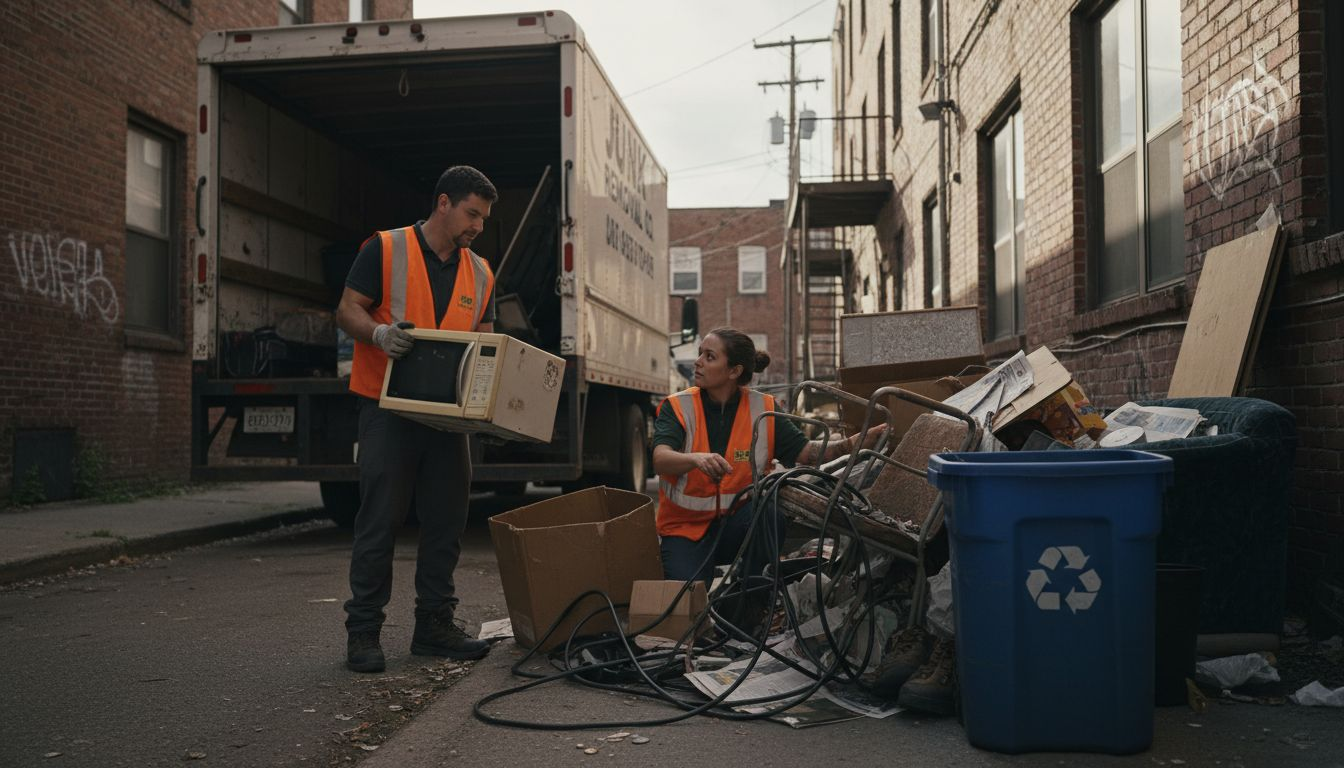
Overflowing garages and cluttered basements do more than create stress—they contribute to environmental harm unless handled with care. For eco-conscious Massachusetts homeowners and property managers, responsible junk removal offers a path to both a clutter-free space and real sustainability gains. By supporting a circular economy, you keep valuable materials in use and out of landfills while following strict state regulations. Discover how modern junk removal transforms unwanted items into resources and protects your local environment.
Table of Contents
Key Takeaways
Point | Details |
Impact of Responsible Junk Removal | Engaging in professional junk removal contributes to sustainability by diverting waste from landfills, thus conserving resources and reducing environmental harm. |
Massachusetts Waste Regulations | Massachusetts has strict waste regulations; understanding them is essential to avoid penalties and ensure proper disposal of banned materials. |
Importance of Sorting | Proper sorting of junk types maximizes recycling efficiency and reduces contamination in waste streams, supporting a circular economy. |
Community Benefits | Junk removal services support local charities by donating usable items, which lowers consumer demand for new products and supports community needs. |
Junk removal’s impact on sustainability
When you remove junk responsibly, you’re not just clearing space from your home or business. You’re actively participating in a circular economy that reduces waste destined for landfills and conserves natural resources. The average American household accumulates approximately 10,000 items, with much of that becoming waste that ends up in landfills. Professional junk removal services like Junk Dispatch redirect these materials away from environmental harm by sorting items for donation, recycling, and proper disposal. This approach addresses the broader environmental consequences of excessive waste generation by ensuring materials get a second life rather than contributing to landfill overflow.
Proper junk removal directly impacts several sustainability metrics that matter to your local Massachusetts environment:
Landfill reduction: Diverting items from landfills decreases methane emissions and leachate contamination in soil and groundwater
Resource conservation: Recycled materials require significantly less energy to process than extracting and manufacturing new products
Waste valorization: Usable items get donated to those in need, reducing demand for new production
Carbon footprint: Efficient removal and recycling processes generate lower emissions than allowing items to decompose in landfills
Community benefit: Donated goods support local charities and reduce consumer demand for new manufacturing
Waste valorization strategies for circular economies emphasize that structured junk removal and waste management practices are multidisciplinary efforts involving proper sorting, stakeholder engagement, and community awareness. When you hire Junk Dispatch, you’re engaging in a professional approach that maximizes these environmental benefits through systematic categorization of materials before disposal.
Junk removal isn’t just about convenience—it’s a measurable environmental intervention that keeps materials in productive use and out of ecosystems where they cause lasting harm.
The sustainability impact extends beyond individual homes. Universities and institutions worldwide are adopting comprehensive junk removal protocols as a cornerstone of environmental responsibility, recognizing that circular waste management systems require intentional efforts to redirect waste streams. Your choice to work with an eco-conscious junk removal service contributes to these larger systemic changes. When you opt for same-day removal rather than letting items accumulate in storage units or garages, you reduce the time those materials spend in limbo, preventing degradation that might make recycling impossible. Additionally, professional removal crews know local Massachusetts recycling facilities and donation centers, ensuring items reach appropriate destinations rather than getting combined into undifferentiated waste streams.
The environmental payoff compounds over time. A single refrigerator removed and recycled prevents harmful refrigerants from entering the atmosphere. Furniture donated to community organizations delays new manufacturing demands that consume raw materials and energy. Construction debris properly sorted allows valuable materials like metals and wood to enter new projects. These individual actions, multiplied across Massachusetts households and businesses, create measurable reductions in environmental impact that benefit air quality, water systems, and climate stability.
Pro tip: When scheduling your junk removal with Junk Dispatch, mention items you suspect are recyclable or donate-worthy—crews will sort accordingly and track where materials go, giving you visibility into your environmental contribution.
Types of junk and sustainable handling
Not all junk is created equal, and how you dispose of it matters tremendously for the environment. Different waste types require tailored handling approaches because their environmental impacts vary widely. Understanding what you’re throwing away helps ensure materials get directed to the right facilities, where they can be recycled, recovered, or safely disposed of. When you work with Junk Dispatch, our crews categorize items by type before removal, maximizing the likelihood that valuable materials stay out of landfills.
Here are the main junk categories you’ll encounter and how sustainable handling works for each:
Organic and yard waste breaks down naturally but creates methane in landfills. Composting facilities convert this into usable soil amendments rather than allowing decomposition to generate harmful gases.
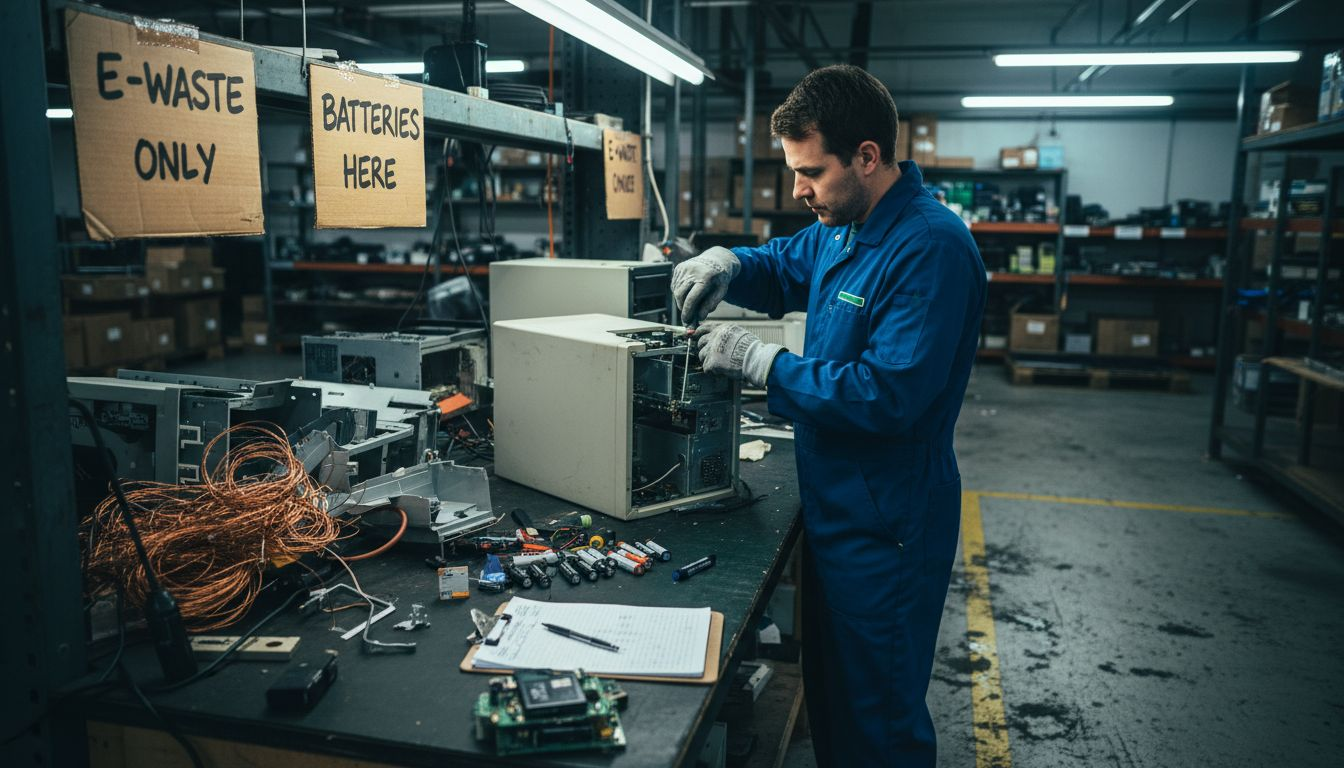
Metals and electronics contain valuable materials and hazardous substances simultaneously. Copper wiring, aluminum frames, and circuit boards get recovered through specialized recycling, while toxic components like mercury and lead get isolated to prevent environmental contamination.
Paper and cardboard recycle easily but contribute to landfill volume when disposed improperly. Sorting these materials into collection streams allows mills to produce new paper without consuming fresh trees.
Plastics and glass present different challenges. Glass recycles infinitely without quality loss but requires separate processing. Plastics degrade slowly and fragment into microplastics that contaminate soil and water; source reduction and careful sorting into appropriate streams matter more for these materials.
Hazardous waste—batteries, paints, chemicals, appliances with refrigerants—demands specialized handling to prevent soil and groundwater contamination. These items absolutely cannot mix with regular waste.
Waste categorization and separation practices are fundamental to effective recycling and resource recovery. When Junk Dispatch removes items from your property, crews understand these distinctions and route materials accordingly. A single refrigerator contains coolants that would poison groundwater if disposed improperly, but a specialized facility recovers these chemicals safely. Construction debris gets separated so concrete can be crushed for new foundations, wood can become mulch or fuel, and metals can reenter manufacturing.
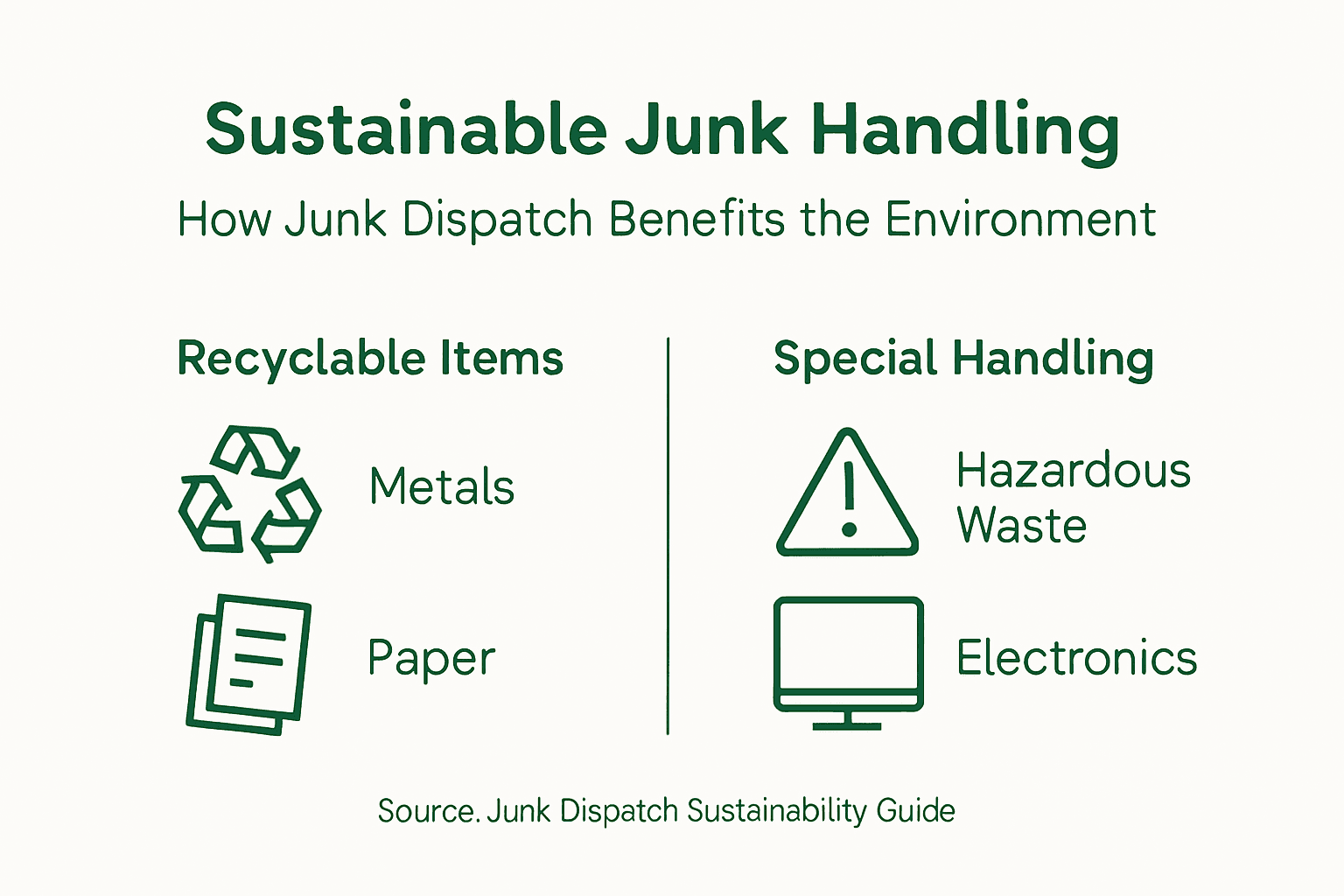
Here’s a quick reference guide to sustainable handling for various junk types:
Junk Type | Best Handling Method | Environmental Benefit |
Organic/Yard Waste | Composting facilities | Reduces methane, creates soil amendment |
Metals/Electronics | Specialized recycling | Recovers resources, prevents toxics |
Paper/Cardboard | Source-separated recycling | Preserves trees, reduces landfill use |
Plastics/Glass | Stream sorting and reduction | Prevents microplastics, allows endless glass recycling |
Hazardous Waste | Certified hazardous disposal | Prevents soil and water contamination |
The waste hierarchy works like this: reduce first, reuse second, recycle third, and dispose last as the final resort.
Massachusetts has specific regulations for several waste types, particularly electronics and hazardous materials. Your property manager or homeowner responsibilities include knowing which items require special handling. Best practices for sustainable waste management emphasize selective collection at the source—separating materials when they’re still clean and identifiable rather than mixing everything together. This is where professional junk removal saves you both time and environmental impact. Crews trained in Massachusetts disposal regulations know which transfer stations accept which materials, preventing contamination of recycling streams that occurs when hazardous items get mixed with regular waste.
The practical reality is that sorting happens faster with trained crews than when homeowners attempt DIY removal. A single load of mixed items might take hours to separate at a facility, consuming resources. Professional removal separates during pickup, arriving at facilities already sorted. Furniture gets donated to charities like Goodwill or Salvation Army. Appliances go to specialized recyclers. Metals get weighed and sent to scrap yards. Organic materials head to compost facilities. This efficiency compounds across hundreds of removals, creating measurable environmental benefits for your community.
Compare the outcomes of professional versus DIY junk removal in Massachusetts:
Aspect | Professional Removal | DIY Removal |
Sorting Efficiency | Fast, on-site separation | Slow, often mixed loads |
Regulatory Compliance | Licensed, meets state laws | Risk of fines, violations |
Environmental Impact | Maximized recycling/donating | Higher landfill, contamination |
Documentation Provided | Tracking and receipts | Rarely available |
When you schedule removal, mentioning specific items helps crews prepare. Large furniture, appliances, construction debris, electronics, and yard waste all have distinct handling pathways. How to manage junk removal efficiently covers the logistics of coordinating removal for maximum sustainability outcomes.
Pro tip: Before calling for junk removal, photograph items and note their condition—good condition items get prioritized for donation rather than recycling, extending their useful life and creating greater environmental benefit than material recovery alone.
Eco-friendly removal processes and practices
The difference between standard junk removal and eco-friendly junk removal lies in what happens after items leave your property. Standard services might dump everything into a landfill truck. Sustainable services follow a deliberate hierarchy: reuse first, then recycle, then recover energy, and only dispose as a last resort. Junk Dispatch operates under this framework, treating every removal as an opportunity to divert materials from environmental harm.
The process starts with assessment and sorting. When our crews arrive, they evaluate items before loading, identifying what can be donated, recycled, or safely disposed. This upfront categorization prevents contamination of recycling streams and ensures items reach appropriate facilities. A working refrigerator goes to a donation partner. A broken one goes to an appliance recycler where refrigerants get captured safely. Electronics with circuit boards go to specialized e-waste facilities. Construction debris gets sorted by material type.
Sustainable junk removal emphasizes reuse and recycling to minimize landfill waste while supporting environmental goals. The reuse phase captures items still suitable for their original purpose. Furniture in good condition goes to charities, thrift stores, or resale shops where other homeowners and families benefit. Clothing, kitchen items, and books follow similar pathways. This extends product lifecycles by years, avoiding the environmental cost of new manufacturing.
Recycling comes next for materials no longer suitable for reuse. Metals get separated magnetically and by type because aluminum and steel recycle differently. Copper wiring from old appliances enters scrap metal markets. Paper and cardboard go to mills. Glass gets crushed for aggregate or new containers. Plastics get sorted by resin type because mixing them contaminates batches. Professional removal crews understand these distinctions; DIY sorting often fails to achieve proper separation.
The environmental payoff multiplies when you consider that recycling one ton of material typically conserves more energy than operating a typical home for several months.
Hazardous materials handling deserves special attention. Batteries contain heavy metals and caustic chemicals. Paint contains volatile organic compounds. Refrigerators contain ozone-depleting coolants. Thermostats contain mercury. When these items get mixed with regular waste, they leach into soil and groundwater. Professional removal services route hazardous items to certified facilities where extraction and containment prevent environmental contamination. This regulatory compliance protects your liability while ensuring proper handling.
Organic waste management through composting represents another layer of sustainable practice. Yard waste and certain organic materials don’t belong in landfills where they generate methane. Composting facilities convert these materials into soil amendments sold back to landscapers and gardeners. Some Massachusetts facilities even accept food waste, creating closed-loop systems that reduce overall waste generation.
The logistics matter as much as the intentions. Professional crews consolidate loads to reduce transportation emissions. Same-day removal prevents items from accumulating in storage units or garages where they degrade over months. Deteriorated materials often cannot be recycled anymore, creating total loss. Efficient pickup timing maximizes the percentage of each load that finds productive reuse or recycling pathways.
Junk Dispatch maintains relationships with Massachusetts donation centers, recycling facilities, scrap yards, and hazardous waste handlers. We know which facilities accept which materials, preventing the contamination problems that occur when untrained people mix incompatible items. Massachusetts eco-friendly solutions for homes and businesses detail how professional networks create better environmental outcomes than individual disposal attempts.
Pro tip: Request a tracking confirmation from your junk removal service showing where items actually went—reputable companies provide documentation of donations and recycling, giving you visibility into your environmental impact.
Massachusetts disposal laws and recycling rules
Massachusetts operates one of the strictest waste management systems in the United States, and understanding these rules matters whether you’re a homeowner or business owner. The state doesn’t simply encourage recycling—it mandates it through enforceable regulations that carry penalties for non-compliance. Massachusetts waste and recycling laws establish comprehensive bans on disposing specific materials in landfills and incinerators, requiring separate collection and recycling instead. Junk Dispatch operates in full compliance with these regulations, ensuring your removal process meets state requirements without creating liability for you.
Massachusetts bans 23 specific materials from landfill disposal, including materials you might not expect. The list includes:
Electronics and appliances containing hazardous components
Construction and demolition debris
Yard waste and leaves
Carpet and carpeting materials
Asphalt pavement
Refrigerators and air conditioning units
Wood products and pallets
Gypsum drywall
Metals and metal-containing items
Glass and glass containers
Paper and cardboard
Plastic films and bags
Food waste and food-soiled paper
These aren’t suggestions. Violating disposal bans creates legal exposure for homeowners and business owners alike. When you dispose of a banned material illegally, you become liable for the violation. Professional junk removal services know where banned materials belong—which recycling facility, which donation center, which hazardous waste handler. This knowledge protects you from unintentional violations.
Massachusetts also mandates commercial organics diversion, requiring many businesses to separate food waste and soiled paper from regular trash streams.
The Massachusetts Department of Environmental Protection (MassDEP) oversees permitting and enforcement, conducting inspections and issuing fines for non-compliance. Fines aren’t trivial—they can reach hundreds or thousands of dollars per violation. A single truckload of mixed waste containing banned materials could result in substantial penalties. This is why hiring licensed junk removal services matters more in Massachusetts than in states with looser regulations.
Residential junk removal technically falls under lighter restrictions than commercial operations, but best practices still apply. When Junk Dispatch removes items from your Massachusetts home, crews follow the same separation standards used for commercial clients. A refrigerator gets handled as hazardous waste. Yard debris goes to permitted composting facilities. Electronics route to e-waste processors. Construction debris gets sorted by material type. This approach keeps you compliant while maximizing environmental benefit.
The source separation requirement means materials must be sorted at the point of generation rather than mixed together. You can’t simply throw everything into one pile and hope a facility sorts it later. Professional removal crews perform this separation during pickup, which is far more efficient than expecting facility staff to untangle contaminated loads. When plastic bags get mixed with paper, for example, they jam sorting equipment and shut down entire recycling lines. Proper separation prevents these cascading failures.
Donation pathways in Massachusetts are well-established and regulated. Charities accepting donations must verify items meet safety standards. Resale shops inspect goods before accepting them. This creates legitimate downstream use for items in good condition rather than premature disposal. Licensed junk haulers in Massachusetts understand which organizations accept which item categories, streamlining the donation process.
Hazardous materials face the strictest handling requirements. Batteries, paint, fluorescent bulbs, pesticides, fertilizers, and cleaning chemicals cannot go into regular waste streams. MassDEP-permitted hazardous waste facilities have specific protocols for receiving, storing, and processing these materials. Some items require special containers. Others need documentation. Junk Dispatch maintains relationships with certified hazardous waste handlers, ensuring compliance with every requirement.
The practical consequence is that ignoring Massachusetts disposal laws costs money through fines, creates environmental damage, and exposes you to liability. Professional junk removal costs less than a single violation fine and guarantees compliance. When you hire Junk Dispatch, you’re investing in regulatory compliance while supporting environmental goals that Massachusetts lawmakers established for good reasons.
Pro tip: Before scheduling removal, photograph items and note what they are—this helps Junk Dispatch crews plan routing and ensures proper handling of any restricted materials before the truck arrives at your property.
Risks of improper disposal and common mistakes
When junk ends up in the wrong place, the consequences extend far beyond your property. Improper waste disposal creates environmental pollution and serious public health risks including respiratory diseases, water contamination, and vector-borne illnesses. A single refrigerator dumped illegally can leach ozone-depleting coolants into groundwater for decades. Construction debris in unauthorized locations attracts pests and creates hazards. Electronics burning in uncontrolled fires release toxic fumes. These aren’t distant problems—they affect your neighborhood’s water quality, air quality, and community health.
Common mistakes homeowners make when disposing of junk include:
Mixing hazardous and regular waste together, contaminating entire loads
Dumping items on vacant properties or roadsides to avoid fees
Burning materials in yards, releasing toxic compounds into the air
Disposing of electronics with regular trash, allowing heavy metals to leach
Pouring liquids down drains, contaminating water treatment systems
Abandoning items in storage units, delaying contamination but not preventing it
Leaving items at curbside without proper preparation, causing collection vehicle damage
DIY demolition without permits, creating untracked waste streams
Hiring unlicensed haulers who pocket fees and dump materials illegally
Each mistake carries consequences. Illegal dumping is a criminal offense in Massachusetts carrying fines up to $20,000 and potential jail time. Property owners whose land becomes unauthorized dump sites face cleanup costs that can reach tens of thousands of dollars. Contaminated soil requires professional remediation. Groundwater restoration takes years and costs millions when multiple sites contribute to the problem.
Environmental contamination from improper disposal affects entire ecosystems, not just individual properties—soil degradation, water pollution, and air quality impacts persist for generations.
The health impacts hit vulnerable populations hardest. Children living near illegal dump sites experience higher rates of asthma and respiratory infections. Communities near unregulated disposal areas report elevated cancer rates. Contaminated groundwater supplies cause gastrointestinal illnesses. Vector-borne diseases flourish in areas where standing water accumulates around improperly disposed materials. These aren’t theoretical risks—they’re documented public health consequences affecting real families.
Poor waste handling results in toxic contamination of air, water, and soil, causing diseases and ecological degradation that persist long after initial disposal. A paint can dumped in soil continues leaching volatile organic compounds for years. Lead from old batteries migrates through groundwater. Plastic fragments break down into microplastics that enter food chains. Birds and fish ingest contaminated particles. These materials accumulate in tissue, bioaccumulating as they move up the food chain, eventually reaching humans who consume affected fish and game.
Unlicensed haulers represent another common mistake. When you hire someone without proper credentials to haul away junk, you’re assuming liability for where materials end up. They pocket your payment and dump everything illegally, but when authorities discover the site, they trace it back to you—the property owner who hired them. You become responsible for cleanup costs even though you never authorized illegal dumping. Legitimate, licensed companies like Junk Dispatch carry insurance and maintain documented disposal pathways, protecting you from this liability entirely.
DIY removal mistakes compound over time. Storing junk in garage corners or basement areas costs nothing upfront but enables accumulation. Items deteriorate, making them unsuitable for donation or recycling. Pest infestations develop. Structural damage occurs from material weight. What started as a small pile becomes overwhelming, pushing people toward desperate measures like illegal dumping. Prompt, professional removal prevents this cascade of problems.
Another critical mistake involves assuming anything will recycle. People place contaminated items in recycling bins, shutting down entire sorting facilities. A single plastic bag jams conveyor belts and stops equipment for hours. Wet cardboard breaks apart and clogs systems. Food-soiled materials attract pests to facilities. Glass mixed with paper contaminates batches. These mistakes seem small individually but multiply across thousands of households, creating massive inefficiency and waste in recycling systems designed to help, not harm.
Pro tip: Contact Junk Dispatch before attempting any DIY disposal—we’ll quote your removal cost upfront, handle all materials properly, and provide documentation showing where items went, eliminating uncertainty and liability.
Take Control of Your Junk with Eco-Friendly Solutions Today
The article highlights the critical challenge of responsibly removing junk while maximizing environmental benefits such as landfill reduction, resource conservation, and proper hazardous waste handling. Many Massachusetts residents and businesses struggle with sorting complex waste streams and complying with strict state disposal laws. If you want to avoid the common pitfalls like illegal dumping, contamination of recycling streams, and hefty fines, switching to a professional, eco-conscious approach is essential.
Junk Dispatch understands the importance of sustainable junk removal. Our expert crews in Massachusetts provide quick, reliable service that focuses on reuse, recycling, and safe disposal of all types of materials including appliances, furniture, yard waste, and construction debris. We handle sorting on-site to ensure proper waste valorization while keeping you compliant with state regulations. Partner with us for same-day service, transparent pricing, and peace of mind knowing your junk removal benefits the environment and your community.
Don’t let your unwanted items harm your property or the planet. Experience a convenient, professional, and eco-friendly junk removal service by visiting Junk Dispatch now. Learn more about our Massachusetts junk removal solutions and discover how our licensed junk haulers combine environmental responsibility with customer satisfaction. Take action today to protect your home and community with responsible junk removal.
Frequently Asked Questions
How does proper junk removal contribute to sustainability?
Proper junk removal helps reduce landfill waste by ensuring that items are recycled, donated, or responsibly disposed of, thus conserving natural resources and decreasing methane emissions and soil contamination.
What types of junk require special handling during removal?
Hazardous waste, electronics, and construction debris require special handling due to their potential environmental impact. These materials need to be disposed of at certified facilities to avoid contamination.
What are the environmental benefits of recycling metals and electronics?
Recycling metals and electronics can recover valuable materials and prevent toxic substances from contaminating the environment. For example, proper recycling of circuit boards prevents heavy metals like lead and mercury from leaching into soil and water.
Why is it important to sort junk before disposal?
Sorting junk before disposal ensures that materials are directed to the appropriate recycling or donation facilities. Proper sorting maximizes recycling efficiency and minimizes contamination which can halt recycling processes.
Recommended
Comments